

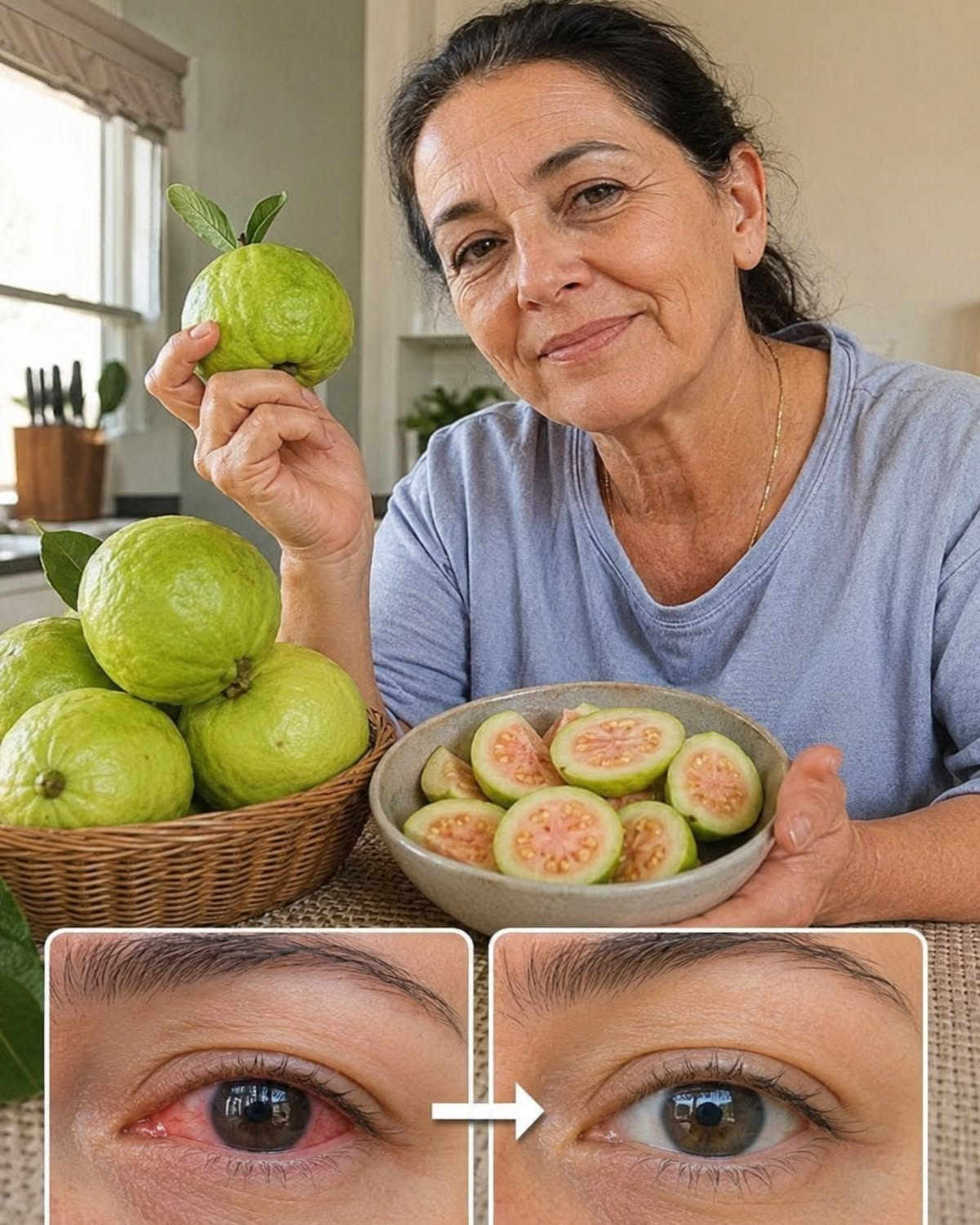
In today’s digital world, many people spend hours staring at computer screens, smartphones, and tablets. As a result, tired, dry, and irritated eyes have become increasingly common. Redness, eye strain, blurred vision, and discomfort can affect productivity and make daily activities less enjoyable.
While no single food can magically restore eyesight or cure eye conditions, certain fruits contain nutrients that support overall eye health. One fruit that deserves attention is guava. Packed with vitamins, antioxidants, and beneficial plant compounds, guava may help support healthy eyes while contributing to overall wellness.
Whether enjoyed fresh or prepared as a tea from its leaves, guava offers a simple and natural way to include more eye-friendly nutrients in your diet.
Why Guava Is Good for Eye Health
Guava is often praised for its impressive nutritional profile. It contains several nutrients that play important roles in maintaining healthy vision and protecting delicate eye tissues from oxidative stress.
Some of the key nutrients found in guava include:
- Vitamin A
- Vitamin C
- Carotenoids
- Polyphenols
- Flavonoids
- Dietary fiber
These compounds work together to help support healthy cells throughout the body, including those involved in vision.
Supporting the Retina with Vitamin A
The Role of Vitamin A in Vision
Vitamin A is one of the most important nutrients for maintaining normal vision. It helps the retina process light and supports the eye’s ability to adjust to changes in brightness.
A deficiency in vitamin A can contribute to poor night vision and other eye-related problems. While guava is not as rich in vitamin A as some foods like sweet potatoes or carrots, it still contributes valuable amounts that can help support eye function as part of a balanced diet.
Helping Eyes Handle Daily Strain
Modern lifestyles expose our eyes to constant stress from:
- Digital screens
- Artificial lighting
- Air conditioning
- Lack of sleep
- Environmental pollution
Including nutrient-rich foods such as guava may help provide some of the nutritional support needed to maintain healthy eye tissues over time.
Guava’s Antioxidants Help Fight Oxidative Stress
What Is Oxidative Stress?
Every day, our bodies produce unstable molecules known as free radicals. When too many accumulate, oxidative stress can occur.
Oxidative stress has been linked to aging and damage in various tissues, including the eyes.
Common contributors include:
- Excessive screen time
- UV exposure
- Smoking
- Poor diet
- Chronic stress
How Guava May Help
Guava contains powerful antioxidants that help neutralize free radicals.
These antioxidants include:
- Vitamin C
- Lycopene
- Beta-carotene
- Quercetin
- Polyphenols
Vitamin C is especially abundant in guava. In fact, guava contains significantly more vitamin C than many citrus fruits.
These nutrients help support healthy tissues and may contribute to the protection of delicate eye structures from everyday oxidative damage.
Relief for Tired and Overworked Eyes
Why Eyes Feel Tired
Eye fatigue is becoming increasingly common.
Symptoms often include:
- Dryness
- Redness
- Burning sensations
- Difficulty focusing
- Sensitivity to light
- Headaches
While nutrition alone cannot eliminate these issues, consuming foods rich in antioxidants and vitamins may support the body’s natural recovery processes.
The Potential Benefits of Guava
Many people enjoy guava because it provides hydration, vitamins, and antioxidants in one delicious package.
When included as part of a healthy lifestyle, guava may help support:
- Healthy circulation
- Cellular protection
- Tissue repair
- Overall eye wellness
The Benefits of Guava Leaves
While the fruit receives most of the attention, guava leaves have been used traditionally in many cultures for centuries.
They contain natural plant compounds such as:
- Quercetin
- Tannins
- Flavonoids
- Polyphenols
These compounds have been studied for their antioxidant and anti-inflammatory properties.
Guava Leaf Tea
One popular way to enjoy guava leaves is as a warm tea.
A simple preparation involves:
Ingredients
- 5 to 8 fresh or dried guava leaves
- 2 cups water
Instructions
- Rinse the leaves thoroughly.
- Bring water to a gentle boil.
- Add the leaves.
- Simmer for 10 to 15 minutes.
- Remove from heat.
- Strain and allow to cool slightly.
- Enjoy warm.
Many people find guava leaf tea soothing and relaxing, especially in the evening.
Fresh Guava vs. Guava Leaves
Fresh Guava
Fresh guava is ideal for obtaining:
- Vitamin C
- Fiber
- Vitamin A
- Natural antioxidants
It can be eaten:
- Whole
- Sliced
- Added to smoothies
- Mixed into fruit salads
Guava Leaves
Guava leaves are often used to prepare:
- Herbal tea
- Traditional infusions
The leaves contain different plant compounds than the fruit, making them a complementary addition rather than a replacement.
How to Add More Guava to Your Diet
If you want to enjoy guava regularly, here are several simple ideas:
Breakfast
- Add sliced guava to yogurt.
- Blend guava into smoothies.
- Mix guava with oats.
Lunch
- Add guava chunks to salads.
- Pair with nuts and seeds.
Snacks
- Eat fresh guava slices.
- Prepare homemade fruit bowls.
Evening
- Enjoy a cup of warm guava leaf tea.
- Pair with a light healthy snack.
Additional Habits That Support Healthy Eyes
Guava can be part of a healthy routine, but it works best alongside other good habits.
Follow the 20-20-20 Rule
Every 20 minutes:
- Look 20 feet away
- For at least 20 seconds
This simple technique helps reduce digital eye strain.
Stay Hydrated
Proper hydration supports tear production and helps reduce dryness.
Get Enough Sleep
Quality sleep allows your eyes to recover from daily stress.
Wear UV Protection
Sunglasses help protect your eyes from harmful ultraviolet rays.
Eat a Nutrient-Rich Diet
Include foods rich in:
- Vitamin A
- Vitamin C
- Omega-3 fatty acids
- Lutein
- Zeaxanthin
Tips for Getting the Most from Guava
Choose Ripe Fruit
A ripe guava should:
- Feel slightly soft
- Have a pleasant aroma
- Show healthy skin without major blemishes
Avoid Overcooking
Excessive heat can reduce certain nutrients.
Enjoy It Fresh
Fresh guava provides the highest levels of vitamins and antioxidants.
Drink Guava Leaf Tea Warm
Warm tea is generally more enjoyable and soothing than extremely hot beverages.
Combine with a Healthy Lifestyle
Nutrition works best when paired with adequate sleep, hydration, exercise, and stress management.
Frequently Asked Questions
Can guava improve eyesight?
Guava contains nutrients that support normal eye health, including vitamin A and vitamin C. However, it cannot restore lost vision or cure eye diseases.
Is guava good for dry eyes?
Guava provides antioxidants and hydration-supporting nutrients that may contribute to overall eye wellness. Dry eyes often have multiple causes, so professional evaluation may be needed if symptoms persist.
How often can I eat guava?
Most people can safely enjoy guava several times per week as part of a balanced diet.
Can I drink guava leaf tea every day?
Many people drink guava leaf tea regularly in moderation. If you have medical conditions or take medications, consult your healthcare provider first.
Is guava better than carrots for eye health?
Both fruits offer valuable nutrients. Carrots are particularly rich in beta-carotene, while guava provides exceptional amounts of vitamin C along with other antioxidants.
Can guava reduce eye redness?
Eye redness can occur for many reasons, including allergies, dryness, infection, and fatigue. While a healthy diet may support overall eye health, guava is not a treatment for persistent redness.
Final Thoughts
Guava is a delicious, nutrient-packed fruit that deserves a place in a balanced diet. Rich in vitamin C, antioxidants, carotenoids, and beneficial plant compounds, it may help support eye health and protect the body from everyday oxidative stress.
Fresh guava provides valuable nutrition, while guava leaf tea offers another traditional way to enjoy this remarkable plant. Combined with proper sleep, hydration, screen-time management, and regular eye care, guava can become a simple addition to a healthy lifestyle.
Remember that no single fruit can cure vision problems or replace professional medical care. However, choosing nutrient-rich foods like guava is one practical step toward supporting your long-term eye health naturally.
Disclaimer: This article is for informational purposes only and should not be considered medical advice. Always consult a qualified healthcare professional regarding any vision concerns or medical conditions.