

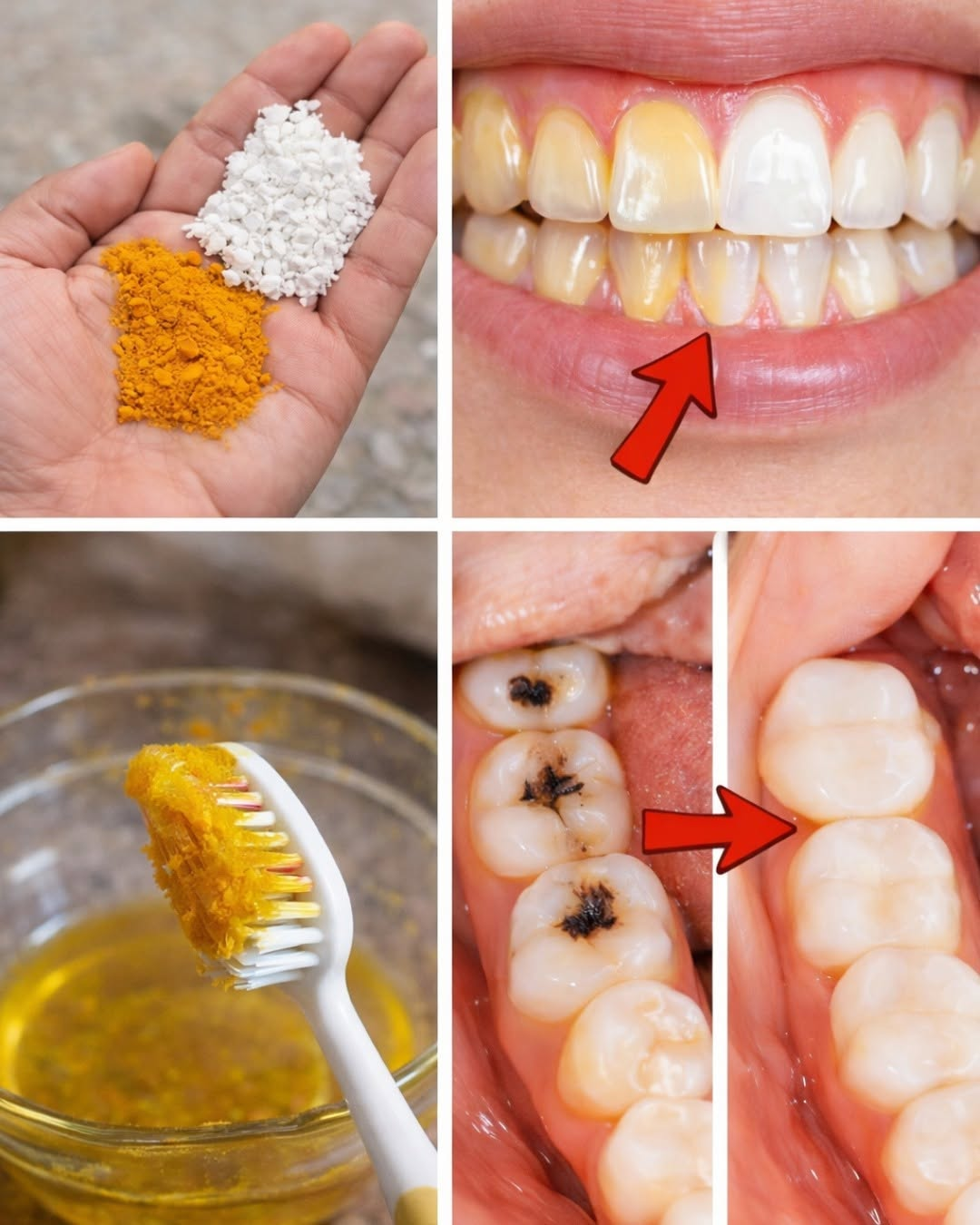
A bright, healthy smile is something many people want, but professional whitening treatments can be expensive, and some whitening products may cause tooth sensitivity. As a result, natural remedies have become increasingly popular, with turmeric often appearing in social media posts and DIY oral care recipes.
Turmeric is a vibrant yellow spice widely used in cooking and traditional wellness practices. Thanks to its powerful plant compounds and long history of use, many people believe it can whiten teeth naturally while supporting gum health.
But does turmeric actually make teeth whiter, or is it another internet trend surrounded by exaggerated claims?
In this article, we’ll explore the science behind turmeric, its potential benefits for oral health, possible risks, and the best ways to use it safely. We’ll also discuss what turmeric can and cannot do when it comes to improving your smile.
Why Turmeric Has Become Popular for Teeth Whitening
Turmeric comes from the root of the turmeric plant and contains a natural compound called curcumin. Curcumin is responsible for turmeric’s bright yellow color and many of its researched health properties.
Over the years, turmeric has gained attention because of its:
- Antioxidant properties
- Anti-inflammatory effects
- Potential antibacterial activity
- Traditional use in wellness practices
Many people assume that because turmeric supports overall health, it must also help whiten teeth. Social media videos often show individuals brushing with turmeric powder and displaying bright smiles afterward.
However, it’s important to separate personal experiences from scientific evidence.
What Science Says About Turmeric and Teeth Whitening
Limited Evidence for Whitening Effects
Despite widespread claims online, there is currently very little scientific evidence proving that turmeric can significantly whiten teeth.
Most studies examining natural whitening remedies have found that turmeric does not produce the dramatic whitening effects seen with professional dental treatments or peroxide-based whitening products.
While some users report that their teeth appear cleaner after using turmeric, this effect may be due to better brushing habits rather than the spice itself.
Why Teeth Become Stained
To understand why turmeric isn’t a powerful whitener, it helps to know how staining works.
Tooth discoloration generally occurs from:
- Coffee
- Tea
- Red wine
- Tobacco
- Aging
- Certain medications
Professional whitening products work by penetrating enamel and breaking down stain molecules. Turmeric does not have this chemical bleaching ability.
As a result, it cannot remove deep stains embedded within tooth enamel.
Potential Oral Health Benefits of Turmeric
Although turmeric may not dramatically whiten teeth, it may offer several oral health benefits that contribute to a healthier-looking smile.
Supporting Gum Health
One of the most researched benefits of turmeric is its anti-inflammatory activity.
Healthy gums are essential for maintaining an attractive smile. Inflamed gums can appear red, swollen, and sensitive.
Some studies suggest that curcumin may help support gum health when used alongside proper dental care.
Helping Control Bacteria
The mouth contains millions of bacteria. While many are harmless, others contribute to plaque buildup and gum problems.
Research indicates that turmeric may help reduce certain harmful bacteria, potentially supporting a cleaner oral environment.
However, turmeric should never replace regular brushing and flossing.
Antioxidant Protection
Curcumin is a powerful antioxidant.
Antioxidants help neutralize free radicals that can contribute to tissue damage and inflammation.
This may provide additional support for maintaining healthy gums and oral tissues.
Can Turmeric Remove Plaque?
Some people believe turmeric removes plaque directly from teeth.
The reality is more complicated.
Plaque removal primarily occurs through:
- Brushing
- Flossing
- Professional dental cleanings
Turmeric may help support a healthier oral environment, but it does not physically remove hardened tartar or replace proper oral hygiene.
What Turmeric Cannot Do
It’s important to have realistic expectations before trying any natural remedy.
Turmeric cannot:
- Replace professional teeth whitening
- Reverse severe discoloration
- Repair damaged enamel
- Fill cavities
- Treat tooth decay
- Eliminate tartar buildup
- Replace dental visits
Understanding these limitations can help prevent disappointment and ensure you focus on proven oral care habits.
Risks and Potential Downsides
Temporary Yellow Staining
Ironically, one concern with turmeric is its strong yellow pigment.
The same color that stains countertops, clothing, and cutting boards can also temporarily stain:
- Toothbrushes
- Tongue surfaces
- Lips
- Gums
Fortunately, these stains usually fade quickly with normal brushing and rinsing.
Abrasive Ingredients
Many DIY whitening recipes combine turmeric with abrasive substances such as:
- Baking soda
- Salt
- Charcoal
Overusing abrasive mixtures may gradually wear down tooth enamel.
Since enamel cannot regenerate naturally, preserving it is essential for long-term dental health.
Possible Sensitivity
Some individuals may experience irritation or sensitivity when experimenting with homemade oral care products.
If discomfort occurs, discontinue use and consult a dental professional.
How to Use Turmeric Safely
If you’re curious about trying turmeric, a gentle approach is best.
Simple Turmeric Paste Recipe
Ingredients
- 1/4 teaspoon turmeric powder
- 1 teaspoon coconut oil
Instructions
- Mix the turmeric and coconut oil into a smooth paste.
- Apply gently to teeth using a soft toothbrush.
- Brush lightly for 1-2 minutes.
- Rinse thoroughly.
- Follow with your regular toothpaste.
Frequency
Limit use to:
- 1-3 times per week
Avoid aggressive scrubbing or prolonged exposure.
Better Ways to Achieve a Brighter Smile
If your goal is whiter teeth, evidence-based methods are more reliable.
Brush Properly
Brush twice daily using:
- A soft-bristled toothbrush
- Fluoride toothpaste
Floss Every Day
Flossing removes plaque and food particles that brushing often misses.
Limit Staining Foods and Drinks
Reduce exposure to:
- Coffee
- Tea
- Red wine
- Tobacco products
Schedule Professional Cleanings
Regular dental cleanings can remove surface stains and tartar buildup safely.
Consider Professional Whitening
For noticeable whitening results, consult your dentist about safe whitening treatments.
Tips for Using Turmeric Responsibly
Use Organic Turmeric
Choose high-quality turmeric powder without artificial additives.
Don’t Scrub Aggressively
Gentle application is key to protecting enamel.
Rinse Thoroughly
Always rinse well after use to reduce temporary yellow staining.
Keep Expectations Realistic
Turmeric may support oral health, but it is not a miracle whitening solution.
Maintain Good Oral Hygiene
The foundation of a bright smile remains:
- Brushing
- Flossing
- Dental checkups
- Healthy eating habits
Common Myths About Turmeric and Teeth Whitening
Myth #1: Turmeric Whitens Teeth Instantly
There is no scientific evidence showing immediate whitening effects.
Myth #2: The More You Use, the Better the Results
Overuse may increase staining or irritation without improving whitening.
Myth #3: Turmeric Replaces Toothpaste
Turmeric should only be considered a supplemental addition to regular oral care.
Myth #4: Turmeric Can Cure Dental Problems
No natural remedy can replace professional dental diagnosis and treatment.
Final Thoughts
Turmeric continues to attract attention as a natural remedy for many aspects of health, including oral care. While it may offer antibacterial, antioxidant, and anti-inflammatory benefits that support gum health, current scientific evidence does not support claims that turmeric significantly whitens teeth.
For those interested in natural wellness practices, turmeric can be a reasonable addition to an overall oral care routine when used gently and responsibly. However, it should complement—not replace—brushing, flossing, dental cleanings, and professional advice.
If your primary goal is a noticeably brighter smile, proven whitening methods and regular dental care remain the most effective options.
Frequently Asked Questions
Does turmeric really whiten teeth?
Current research does not show strong evidence that turmeric significantly whitens teeth. Any visible improvements are usually mild and may be related to improved oral hygiene rather than whitening.
Can turmeric damage tooth enamel?
Turmeric itself is not highly abrasive, but aggressive brushing or combining it with abrasive ingredients may contribute to enamel wear over time.
How often should I use turmeric on my teeth?
Most people who choose to use turmeric limit it to 1-3 times per week to minimize irritation and staining.
Can turmeric help with gum inflammation?
Some studies suggest curcumin may support gum health due to its anti-inflammatory properties, though more research is needed.
Is turmeric better than professional whitening treatments?
No. Professional whitening treatments remain significantly more effective for removing stains and brightening teeth.
Can turmeric stain teeth yellow?
Temporary staining of soft tissues, toothbrushes, or residue buildup can occur, but permanent enamel staining is generally uncommon when used occasionally and rinsed properly.