

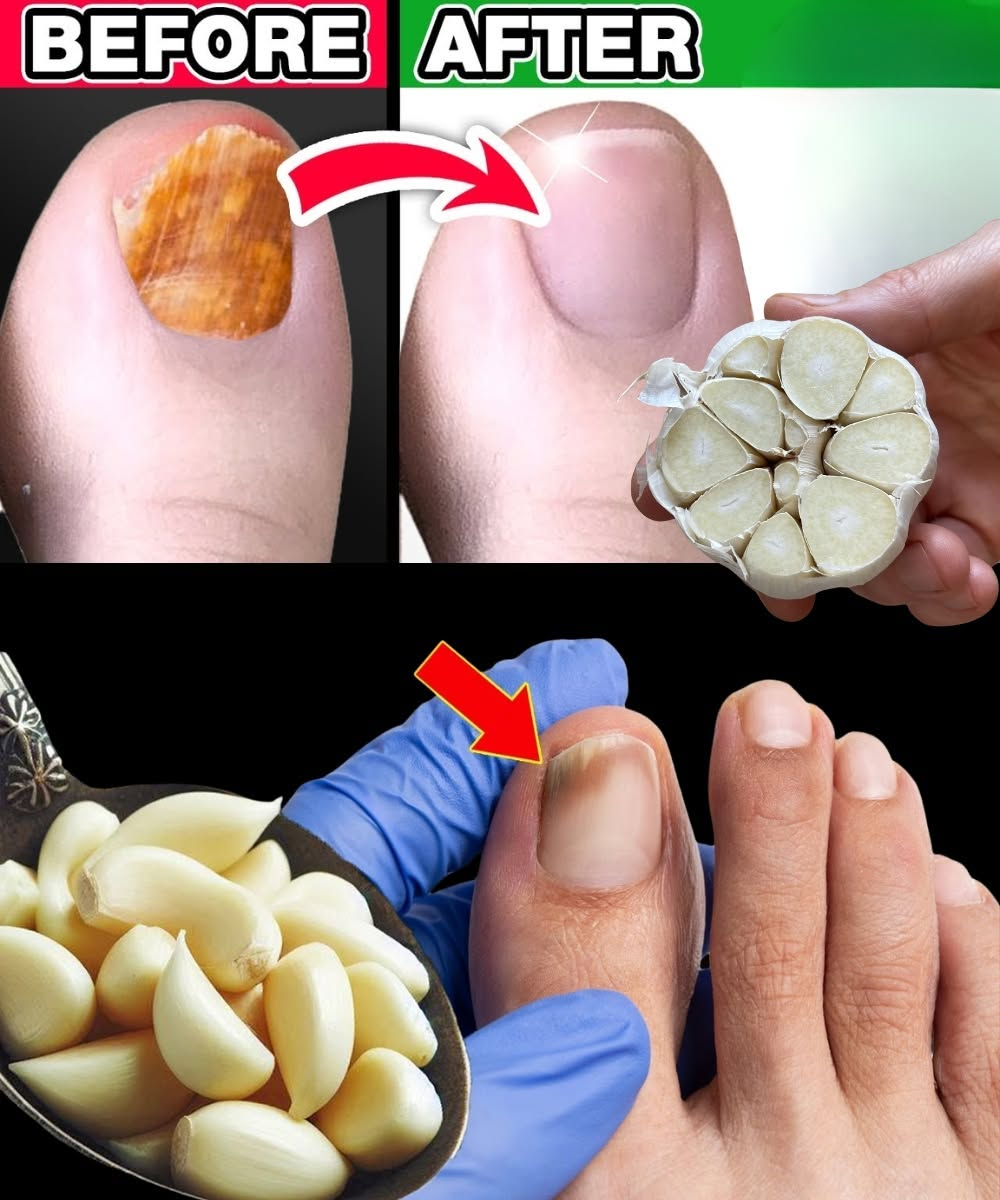
Nail fungus is one of the most common nail problems affecting both toenails and fingernails. It often begins as a small white or yellow spot under the nail and gradually develops into a thicker, more brittle, and discolored nail. For many people, fungal nail infections are not only frustrating but also difficult to eliminate completely.
While prescription medications and medicated nail lacquers remain the standard treatment options, natural remedies continue to attract attention. Among them, garlic is one of the most popular. Known for its strong aroma and long history in traditional wellness practices, garlic contains natural compounds that have been studied for their antimicrobial properties.
But can garlic actually help with nail fungus? Let’s explore what is known about garlic, how it may support nail health, and the safest ways to use it at home.
Understanding Nail Fungus
Nail fungus, medically known as onychomycosis, occurs when fungi infect the nail bed, nail plate, or surrounding skin. The condition is most common in toenails because fungi thrive in warm, moist environments such as shoes and socks.
Common symptoms include:
- Yellow, white, or brown nail discoloration
- Thickened nails
- Brittle or crumbly nail edges
- Distorted nail shape
- Nail separation from the nail bed
- Mild discomfort or pain in severe cases
Fungal infections can spread slowly, and complete recovery often requires patience because healthy nails grow gradually over several months.
Why Garlic Is Often Used for Nail Fungus
Garlic has been used for centuries in traditional medicine due to its natural antimicrobial properties. When fresh garlic is crushed or chopped, it produces a compound called allicin.
Allicin and Its Potential Benefits
Allicin is responsible for garlic’s distinctive smell and many of its biological effects. Laboratory studies have shown that allicin may help inhibit the growth of certain bacteria and fungi.
Researchers have also identified another garlic-derived compound called ajoene, which has demonstrated antifungal activity in some studies.
These findings have led many people to experiment with garlic as a home remedy for fungal nail infections.
Potential Benefits of Garlic for Nail Care
Garlic may offer several supportive benefits:
- Natural antimicrobial properties
- Potential antifungal activity against some fungal species
- Anti-inflammatory effects that may help soothe irritated skin
- Easily available and inexpensive
- Can be combined with other home-care measures
However, it’s important to understand that most evidence comes from laboratory studies rather than large clinical trials specifically treating nail fungus.
What Science Says About Garlic and Nail Fungus
Research suggests that compounds found in garlic can inhibit the growth of various fungi under laboratory conditions. Some studies involving ajoene have shown promising antifungal effects against dermatophytes, which are fungi commonly associated with skin and nail infections.
However, fungal nail infections are notoriously difficult to treat because the infection exists beneath the nail, making it challenging for topical treatments to penetrate deeply enough.
This means garlic may help support overall nail care, but it should not be viewed as a guaranteed cure. Severe infections often require medical treatment prescribed by a healthcare professional.
Fresh Garlic Paste for Nail Fungus
One of the most common ways people use garlic is by applying freshly crushed garlic directly to the affected nail.
Ingredients
- 2–3 fresh garlic cloves
- Optional: 1 teaspoon coconut oil
Directions
- Peel the garlic cloves.
- Crush them thoroughly to release the active compounds.
- Mix with a small amount of coconut oil if desired.
- Apply the paste to the affected nail.
- Cover lightly with a clean bandage.
- Leave in place for 20–30 minutes.
- Rinse thoroughly and dry the nail completely.
Important Note
Garlic can irritate the skin if left on too long. If you experience burning, redness, or discomfort, remove it immediately and discontinue use.
Garlic-Infused Oil Treatment
Garlic-infused oil offers a gentler option for people with sensitive skin.
Ingredients
- 3–4 garlic cloves
- 2 tablespoons olive oil
Directions
- Crush the garlic cloves.
- Mix them into the olive oil.
- Allow the mixture to sit for several hours.
- Apply a small amount to the affected nail.
- Leave on for a few hours or overnight.
- Wash and dry thoroughly afterward.
Many people prefer this method because it is less likely to cause skin irritation.
Warm Garlic Foot Soak
Foot soaks may help soften thickened nails and improve overall nail hygiene.
Ingredients
- 8–10 garlic cloves
- 4 cups water
Directions
- Crush the garlic cloves.
- Add them to hot water.
- Allow the mixture to cool to a comfortable temperature.
- Soak affected feet or hands for 15–20 minutes.
- Dry thoroughly afterward.
Repeat several times per week as part of a broader nail care routine.
Garlic and Apple Cider Vinegar Combination
Some people combine garlic with apple cider vinegar because vinegar creates an acidic environment that may be less favorable for fungal growth.
Ingredients
- Fresh garlic paste
- Small amount of apple cider vinegar
Directions
- Mix the ingredients into a thick paste.
- Apply carefully to the affected nail.
- Leave for 20–30 minutes.
- Rinse and dry completely.
If irritation develops, discontinue use.
Tips to Support Healthier Nails
Natural remedies work best when combined with good nail-care habits.
Keep Nails Clean and Dry
Fungi thrive in damp environments. After bathing or exercising, dry your feet and hands thoroughly.
Trim Nails Regularly
Keeping nails short can help reduce fungal buildup and make treatments easier to apply.
Wear Breathable Footwear
Choose shoes that allow airflow and avoid wearing damp socks for long periods.
Disinfect Nail Tools
Clean nail clippers, files, and grooming tools after each use to prevent reinfection.
Change Socks Daily
Fresh socks help reduce moisture accumulation around the feet.
Avoid Walking Barefoot in Public Areas
Locker rooms, swimming pools, and public showers can expose nails to fungal organisms.
What Garlic Cannot Do
Although garlic has interesting properties, it’s important to maintain realistic expectations.
Garlic cannot:
- Instantly cure nail fungus
- Restore a severely damaged nail overnight
- Replace professional medical treatment for advanced infections
- Guarantee complete elimination of fungal organisms
Nail fungus typically improves slowly because healthy nail growth takes time.
When to See a Healthcare Professional
You should consult a healthcare provider if:
- The infection covers most of the nail
- Multiple nails are affected
- You experience pain
- The nail becomes severely distorted
- Home remedies show no improvement after several months
- You have diabetes or circulation problems
- Signs of bacterial infection develop
Early medical treatment often leads to better outcomes.
How Long Does It Take to See Results?
Patience is essential when dealing with fungal nail infections.
Even if the infection begins improving, the damaged nail must grow out before healthy new nail becomes fully visible.
Typical timelines include:
- Several weeks before noticeable changes
- Several months for significant improvement
- Up to a year for complete toenail replacement
Consistency matters more than intensity when using any nail-care routine.
Final Thoughts
Garlic remains one of the most popular natural remedies for nail fungus because of its antimicrobial compounds, affordability, and accessibility. Laboratory research suggests that compounds such as allicin and ajoene possess antifungal properties, making garlic an interesting option for supportive nail care.
However, garlic should not be considered a proven cure for fungal nail infections. Results vary from person to person, and severe infections often require professional medical treatment.
If you choose to try garlic, use it carefully, monitor your skin for irritation, and combine it with good hygiene practices and proper nail care. Healthy habits, patience, and realistic expectations are key to achieving healthier-looking nails over time.
Frequently Asked Questions
Can garlic completely cure nail fungus?
There is no strong evidence that garlic alone can completely cure nail fungus. It may offer supportive benefits, but severe infections often require medical treatment.
How often should I apply garlic to an infected nail?
Most home users apply garlic treatments once daily or several times per week. Stop immediately if irritation develops.
Is raw garlic safe to leave on overnight?
Generally, no. Raw garlic can cause skin irritation or even burns when left on the skin for extended periods.
Can I use garlic on fingernail fungus and toenail fungus?
Yes, people use garlic on both fingernails and toenails, although results vary and evidence remains limited.
What works best alongside garlic?
Good hygiene, keeping nails dry, trimming affected nails, wearing breathable footwear, and following professional medical advice when needed can all support healthier nails.