

Many viral posts claim that a single vegetable can “restore vision” and “cleanse fat from the colon and liver.” While these headlines attract attention, they often oversimplify how the human body works.
The reality is that no vegetable can reverse most forms of vision loss or magically remove fat from your organs. However, certain vegetables provide important nutrients that support eye health, digestive wellness, and normal liver function as part of a balanced diet.
Let’s look at what the evidence actually shows.
Can a Vegetable Restore Vision?
The short answer is no.
Vision problems can result from many different causes, including:
- Nearsightedness and farsightedness
- Cataracts
- Glaucoma
- Diabetic eye disease
- Age-related macular degeneration
- Eye injuries
No vegetable has been proven to restore lost vision caused by these conditions.
However, several vegetables contain nutrients that help maintain healthy eyes.
Carrots
Carrots are rich in beta-carotene, which the body converts into vitamin A.
Vitamin A helps:
- Support normal vision
- Maintain eye surface health
- Support night vision
A vitamin A deficiency can cause vision problems, but eating extra carrots won’t give someone “super vision” or reverse most eye diseases.
Spinach and Kale
Leafy greens contain lutein and zeaxanthin, antioxidants that accumulate in the retina.
Research suggests these nutrients may help:
- Protect eye tissues from oxidative stress
- Support long-term eye health
- Reduce damage from blue light exposure
Red Bell Peppers
Red peppers provide vitamin C, an antioxidant that supports healthy blood vessels throughout the body, including those in the eyes.
Can Vegetables Cleanse the Liver?
The liver already has its own natural detoxification system.
One of the liver’s primary jobs is to:
- Process nutrients
- Break down waste products
- Metabolize medications
- Support digestion through bile production
Because the liver constantly performs these functions, it does not require special “cleansing” foods.
That said, certain vegetables can support overall liver health.
Broccoli and Other Cruciferous Vegetables
Examples include:
- Broccoli
- Cauliflower
- Cabbage
- Brussels sprouts
These vegetables contain plant compounds that support normal liver enzyme activity and provide antioxidants.
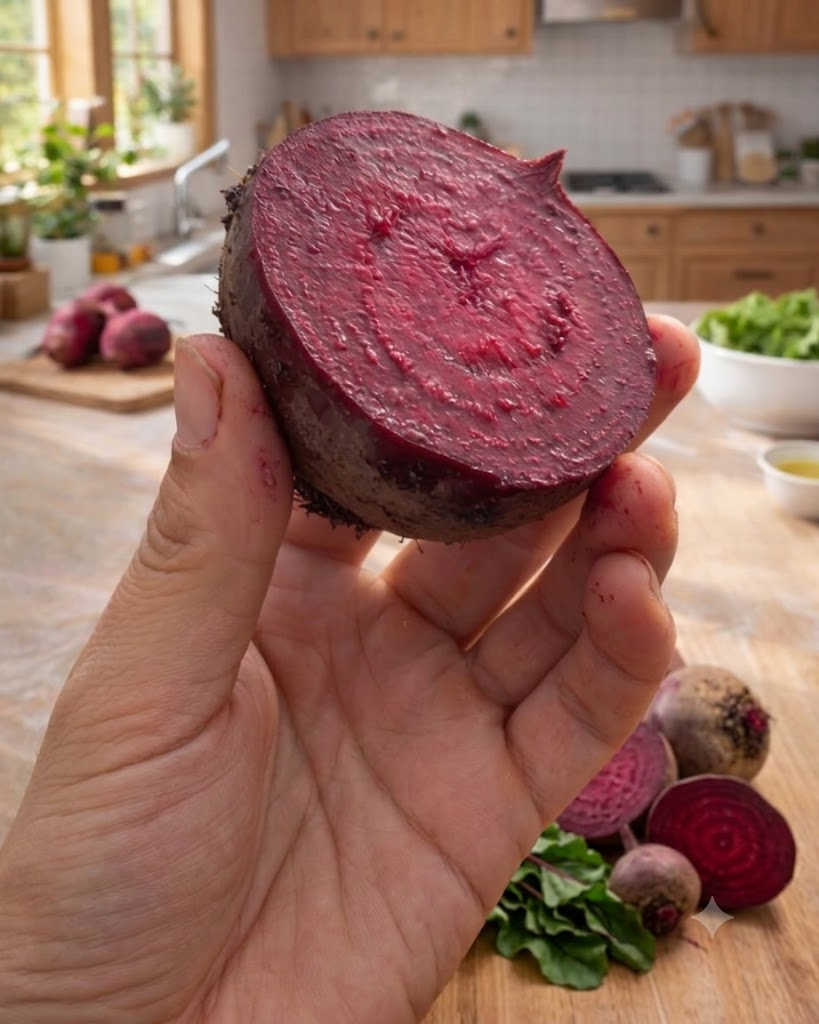
Beets
Beets contain natural antioxidants and nutrients that contribute to overall wellness.
Many people enjoy them as part of a balanced diet that supports healthy eating habits.
Garlic
Garlic contains sulfur-containing compounds and antioxidants that have been widely studied for their potential health benefits.
Adding garlic to meals is a simple way to increase flavor while supporting a nutrient-rich diet.
The Truth About Colon Cleansing
The phrase “cleanse the colon” is one of the most common health marketing claims online.
In reality:
- The colon naturally removes waste from the body.
- Most healthy people do not need special colon cleanses.
- There is no scientific evidence that a specific vegetable removes “fat” from the colon.
What vegetables can do is provide dietary fiber, which supports healthy digestion.
Fiber-Rich Vegetables
Excellent choices include:
- Broccoli
- Carrots
- Artichokes
- Sweet potatoes
- Green peas
Fiber helps:
- Promote regular bowel movements
- Support beneficial gut bacteria
- Contribute to digestive comfort
Best Vegetables for Overall Wellness
If your goal is to support your eyes, liver, and digestive system, focus on variety rather than a single “miracle” vegetable.
Top Choices
- Carrots
- Spinach
- Kale
- Broccoli
- Cabbage
- Beets
- Red bell peppers
- Sweet potatoes
- Brussels sprouts
- Garlic
These foods provide a range of vitamins, minerals, antioxidants, and fiber that contribute to overall health.
Simple Daily Tips
To get the most benefit from vegetables:
- Eat a variety of colors each day.
- Fill half your plate with vegetables.
- Include leafy greens several times per week.
- Choose whole foods over highly processed options.
- Stay hydrated.
- Exercise regularly.
Small, consistent habits tend to have a greater impact than any single food.
Frequently Asked Questions
What vegetable is best for eyesight?
There is no single best vegetable. Carrots, spinach, kale, and red bell peppers all contain nutrients that support eye health.
Can vegetables reverse blurry vision?
No. While vegetables provide important nutrients, they do not reverse most causes of blurry vision. Persistent vision changes should be evaluated by an eye care professional.
What foods support liver health?
A balanced diet rich in vegetables, fruits, whole grains, legumes, and healthy fats can support overall liver health.
Do I need a colon cleanse?
Most healthy people do not need a colon cleanse. Regular bowel function is typically supported through adequate fiber, hydration, and physical activity.
Final Thoughts
Claims that a vegetable can “restore vision” or “cleanse fat from the colon and liver” are not supported by scientific evidence. However, vegetables remain some of the most nutritious foods you can eat.
Carrots, leafy greens, broccoli, beets, and other vegetables provide valuable nutrients that support eye health, digestive wellness, and normal liver function. Rather than searching for a miracle food, focus on a balanced diet built around a variety of colorful plant foods.