
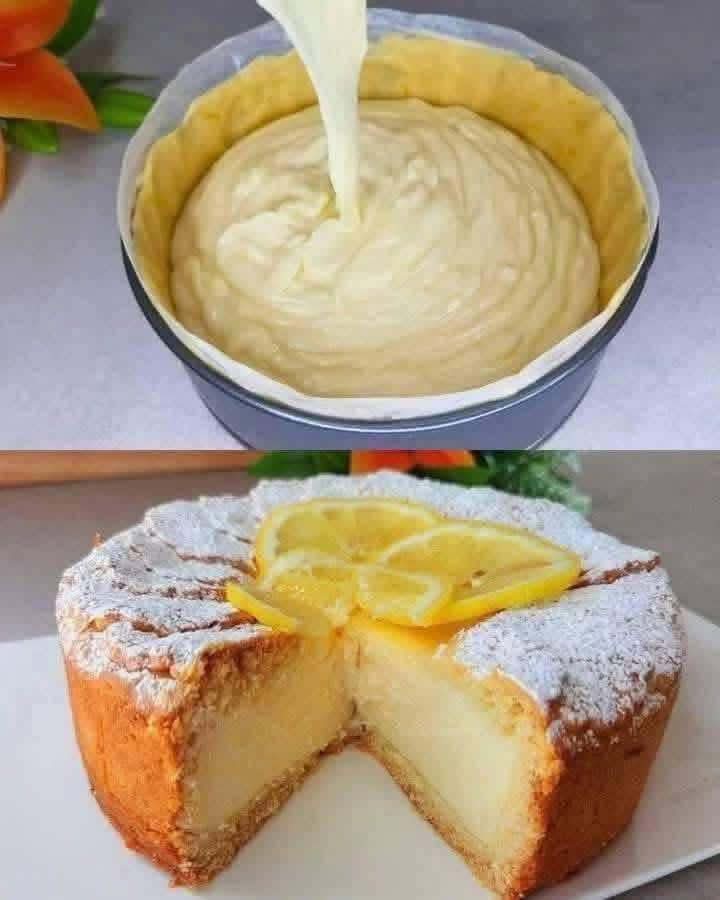
Few desserts capture the charm of Italian home baking quite like Italy’s Most Loved Cake. This elegant pastry cake combines a tender, buttery lemon-scented crust with a smooth vanilla cream filling. Once baked, the pastry turns beautifully golden while the creamy center becomes rich, silky, and wonderfully fragrant.
Despite its impressive appearance, this cake uses straightforward ingredients and simple techniques. You don’t need advanced pastry skills or special equipment. With a little patience, you can create a dessert that looks refined enough for a celebration while still feeling warm and homemade.
The lemon zest gives the pastry a bright aroma, while the vanilla cream creates a luxurious contrast. Moreover, the chilled dough makes the layers easier to handle and helps the finished cake hold its shape.
Serve a slice with espresso, coffee, or tea, and you’ve got a classic-style dessert that’s perfect for afternoon gatherings, family dinners, or special occasions.
What Makes Italy’s Most Loved Cake Special?
This Italian-inspired cake combines two textures in one dessert. The outside features a tender pastry crust with lightly crisp golden edges, while the inside contains a soft, creamy custard filling.
The lemon plays an important role, too. Rather than overpowering the dessert, the zest adds a fresh citrus aroma that balances the sweetness of the pastry and cream.
Because the filling sits between two layers of dough, every slice offers a satisfying combination of buttery pastry and creamy custard.
Ingredients You’ll Need
For the Lemon Pastry Dough
You’ll need:
- 1 large egg
- Zest of 1 lemon
- 125 g (½ cup) sugar
- 310 g (2½ cups) all-purpose flour
- 5 g (1 teaspoon) baking powder
- 140 g (5 oz) softened butter
- ½ teaspoon salt, optional
The softened butter gives the dough a rich flavor and tender texture, while lemon zest adds freshness.
For the Cream Filling
The creamy center requires:
- 500 ml (2 cups) milk
- 1 egg
- 100 g (½ cup) sugar
- 40 g (⅓ cup) cornstarch
- 1 teaspoon vanilla extract
- Zest of 1 lemon, optional
Cornstarch thickens the custard and gives it enough structure to sit neatly inside the pastry.
How to Make Italy’s Most Loved Cake
Step 1: Prepare the Dough
Start by adding the egg, sugar, and lemon zest to a large mixing bowl.
Beat the ingredients until the mixture becomes slightly pale and well combined.
Add the softened butter and continue mixing until you achieve a smooth, creamy mixture.
Next, sift the flour and baking powder into the bowl. Add the optional salt.
Stir everything together until a soft, pliable dough forms.
Avoid mixing longer than necessary. Once the flour disappears and the dough comes together, stop.
Step 2: Divide and Chill the Dough
Divide the dough into two portions.
Make one portion slightly larger than the other because the larger piece will form the bottom and sides of the cake.
Wrap both portions tightly in plastic wrap.
Refrigerate them for approximately 20 minutes.
This short chilling period firms the butter and makes the dough easier to roll.
How to Make the Italian Cream Filling
Step 3: Combine the Custard Ingredients
Place the egg, sugar, and cornstarch in a medium saucepan.
Add a small amount of milk and whisk until you create a completely smooth paste.
This initial step helps prevent cornstarch lumps later.
Gradually whisk in the remaining milk.
If you’re using lemon zest in the filling, add it now.
Step 4: Cook Until Thick and Glossy
Place the saucepan over medium heat.
Stir continuously while the mixture heats.
After several minutes, the custard will gradually thicken.
Keep stirring, especially around the bottom and corners of the saucepan.
Once the cream becomes thick and glossy, remove the pan from the heat.
Stir in the vanilla extract.
Transfer the cream to a clean bowl and allow it to cool completely.
For the smoothest result, cover the surface directly with plastic wrap while it cools. This helps prevent a skin from forming.
How to Assemble the Cake
Step 5: Prepare the Pan
Preheat the oven to 350°F (175°C).
Prepare an 8-inch cake pan.
You can lightly grease the pan or line the bottom with parchment paper for easier removal.
Step 6: Roll the Bottom Pastry
Take the larger piece of chilled dough and place it on a lightly floured work surface.
Roll it into a circle large enough to cover the bottom and sides of the pan.
Work gently because the dough should remain tender.
Carefully transfer the dough to the pan.
Press it lightly against the bottom and sides, making sure you don’t create extremely thin areas.
Step 7: Add the Cream
Pour the completely cooled cream filling into the pastry shell.
Spread it evenly with a spatula.
Don’t overfill the pastry. Leave enough room for the top layer of dough.
Step 8: Add the Top Pastry
Roll out the smaller dough portion.
Carefully place it over the cream filling.
Press the edges together with the bottom crust to create a secure seal.
Trim away excess dough if necessary.
Finally, prick the top several times with a fork.
These small holes allow steam to escape and reduce the chance of the pastry bubbling during baking.
Baking Italy’s Most Loved Cake
Step 9: Bake Until Golden
Place the assembled cake in the preheated oven.
Bake for approximately 30 to 35 minutes.
Watch the surface toward the end of baking.
The cake should develop a beautiful golden-brown color.
Avoid judging doneness only by the clock. Ovens vary, so use the appearance of the pastry as your main guide.
Step 10: Cool Completely
Remove the cake from the oven.
Let it cool completely before slicing.
This step matters because the cream needs time to firm up.
If you cut the cake while it’s still hot, the filling may appear loose and can spill from the center.
Once fully cooled, the slices will look much cleaner.
7 Secrets for a Better Italian Cream Cake
1. Use Softened Butter
Soft butter blends more easily with the sugar and egg.
However, don’t melt the butter. Melted butter can dramatically change the texture of the pastry.
2. Chill the Dough
Even a short chilling period makes the dough easier to roll and handle.
3. Cook the Cream Slowly
Medium heat and constant stirring give you better control over the custard.
4. Cool the Filling Before Assembly
Warm custard can soften the pastry and make assembly difficult.
5. Seal the Edges Carefully
A good seal keeps the cream contained while the cake bakes.
6. Prick the Top
Fork holes give steam an escape route and help keep the surface relatively flat.
7. Wait Before Slicing
Patience pays off. Completely cooled cake produces cleaner slices and a more stable cream layer.
How to Serve Italy’s Most Loved Cake
A simple dusting of powdered sugar provides an elegant finishing touch.
You can serve the cake alongside:
- Espresso
- Cappuccino
- Black coffee
- Earl Grey tea
- Green tea
- Fresh berries
For an extra-special presentation, place thin lemon slices or a few fresh berries around each serving.
Delicious Variations
Orange Cream Cake
Replace the lemon zest with orange zest for a warmer citrus flavor.
Chocolate Cream Filling
Add a small amount of melted chocolate or cocoa to the custard for a chocolate variation.
Berry Topping
Serve each slice with fresh raspberries, strawberries, or blueberries.
Almond Pastry
Add a small amount of almond extract to the dough for a subtle nutty aroma.
Powdered Sugar Finish
Keep the topping simple with a generous dusting of powdered sugar immediately before serving.
Common Mistakes to Avoid
Using Hot Filling
Always cool the custard before assembling the cake.
Overcooking the Custard
Once the cream becomes thick and glossy, remove it from the heat.
Rolling the Dough Too Thin
A thin crust can crack or struggle to contain the filling.
Skipping the Chill
Warm dough can become sticky and difficult to work with.
Cutting the Cake Too Soon
Allow the cake to cool completely so the custard can set.
Storage Instructions
Store the cooled cake covered in the refrigerator.
Because the filling contains milk and egg, refrigeration provides the safest storage environment.
For the best texture and flavor, enjoy the cake within several days.
Allow individual slices to sit at room temperature briefly before serving if you prefer a softer pastry and creamier filling.
Can You Make the Cake Ahead?
Yes. In fact, making the cake ahead can improve the serving experience.
Prepare and bake the cake a day in advance, then refrigerate it overnight.
The cream will have plenty of time to set, and the lemon and vanilla flavors will become beautifully integrated.
Dust with powdered sugar immediately before serving for the freshest presentation.
Frequently Asked Questions
Why does my pastry crack when I roll it?
The dough may be too cold or slightly dry. Let it sit at room temperature for a few minutes, then gently roll it again.
Can I prepare the cream filling ahead?
Yes. You can prepare the custard ahead and refrigerate it until you’re ready to assemble the cake.
Why should I cool the custard before adding it?
Hot custard can soften the butter-based pastry and make the dough difficult to handle.
Can I use orange instead of lemon?
Absolutely. Orange zest creates a sweeter, warmer citrus profile.
Why does my cream seem too thin?
The custard may need more cooking time. Continue stirring over medium heat until it becomes noticeably thick and glossy.
Can I freeze this cake?
Freezing can change the texture of the custard and pastry, so refrigeration generally provides the best results.
What should I put on top?
Powdered sugar offers the simplest and most traditional-looking finish. Fresh berries can also add color and freshness.
Conclusion
Italy’s Most Loved Cake brings together everything that makes homemade pastry special: buttery golden dough, silky vanilla cream, and bright lemon flavor. Although the finished cake looks sophisticated, the process remains approachable when you take each step slowly.
Prepare the dough, give it a short chill, cook the cream until thick and glossy, then assemble and bake until golden. Most importantly, let the cake cool completely before slicing. That final bit of patience rewards you with neat layers and a luscious creamy center.
Serve it with espresso or coffee, dust it with powdered sugar, and enjoy a beautiful Italian-inspired dessert that’s equally suited to an ordinary afternoon or a memorable celebration.