
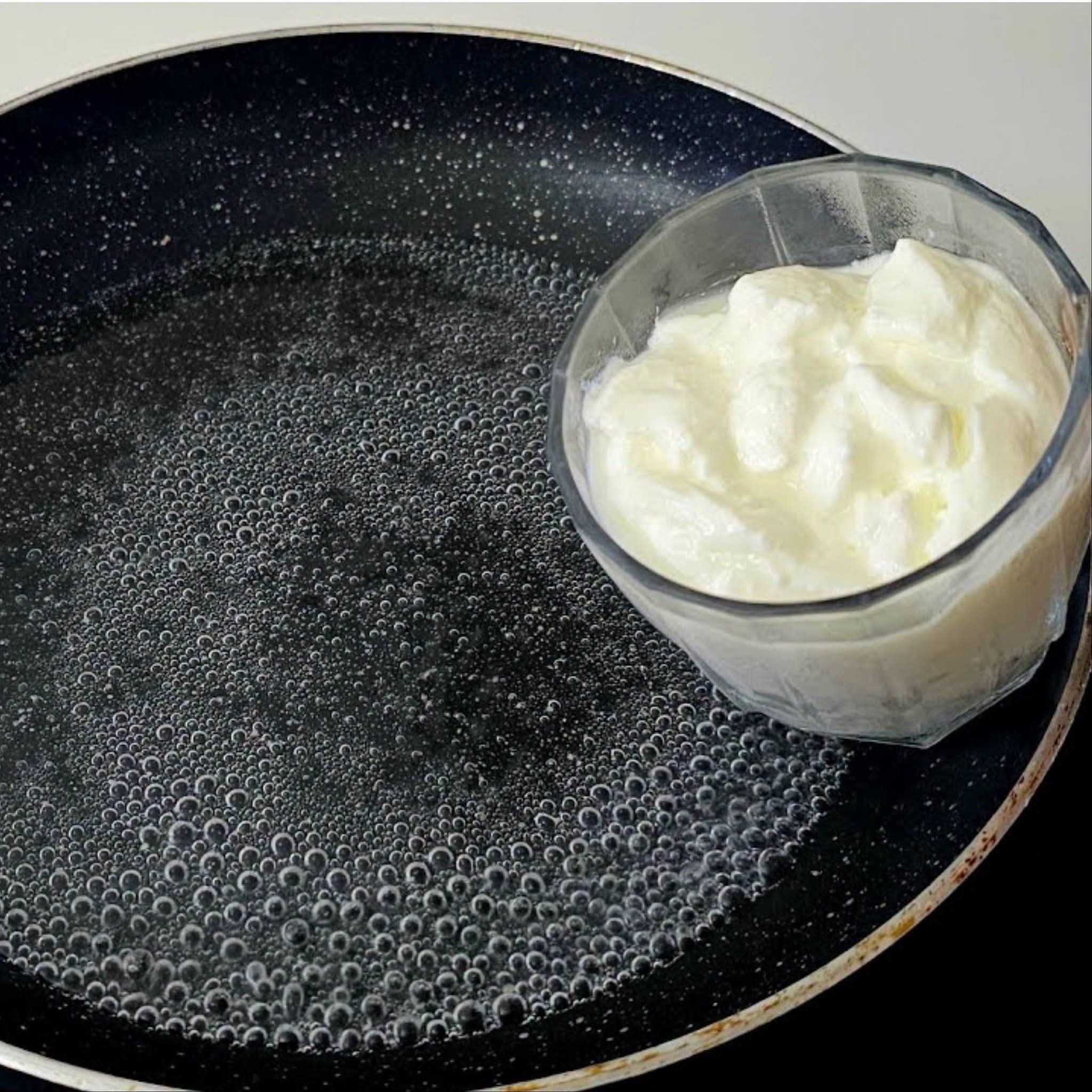
There are some kitchen experiments that sound so unusual that you simply have to try them for yourself. This was one of them: pouring yogurt into boiling water.
At first, I wasn’t convinced that something as simple as yogurt and boiling water could turn into anything worth eating. Yogurt is usually something I reach for at breakfast, mix into sauces, or use in baking. Boiling water, meanwhile, seems like the last thing you would want to add to it.
But after trying this method, I understood why simple homemade recipes can be so satisfying. With a few inexpensive ingredients, you can turn plain yogurt into a warm, comforting, savory dish with a soft, creamy texture. It is especially useful when you want something quick without making a complicated meal.
The key is understanding how yogurt behaves when it is heated. You cannot simply throw a large amount of cold yogurt into aggressively boiling water and expect a perfectly smooth result. Yogurt contains proteins and acids, and high heat can cause it to separate. The technique matters.
So, rather than treating this as a mysterious kitchen trick, think of it as an easy yogurt-based soup or warm savory preparation. Once you understand the method, you can adjust it with herbs, spices, vegetables, or grains to make it your own.
Why This Simple Yogurt Trick Works
Yogurt contains water, milk proteins, fat, and lactic acid. When yogurt is heated gently and combined with water, it can create a creamy base for a light soup.
The important part is controlling the temperature.
If yogurt is exposed directly to very high heat, its proteins can tighten and separate from the liquid. That’s why a yogurt mixture may sometimes look grainy or curdled when boiled.
Instead, the yogurt should be incorporated gradually and preferably tempered. This means mixing some warm liquid into the yogurt first before adding the yogurt mixture to the pot.
The result can be surprisingly comforting: warm, tangy, creamy, and filling without requiring a long list of ingredients.
The Ingredients
You don’t need an expensive shopping list for this recipe.
For the yogurt soup:
- 2 cups plain unsweetened yogurt
- 4 cups water
- 1 tablespoon all-purpose flour
- 1 egg
- 1 teaspoon salt, or to taste
- 1 tablespoon butter or olive oil
- 1 teaspoon dried mint
- ½ teaspoon paprika
- ½ teaspoon black pepper
- 1 small garlic clove, finely minced, optional
Optional additions:
- ½ cup cooked rice
- ¼ cup cooked chickpeas
- Fresh parsley
- Fresh mint
- A pinch of chili flakes
- A small amount of lemon juice
- Additional black pepper
- A spoonful of cooked vegetables
The basic yogurt, water, flour, egg, and seasonings are enough to create a satisfying version.
Step 1: Start With the Yogurt
Place the yogurt in a large mixing bowl.
Add the flour and egg. Whisk everything together until the mixture is completely smooth.
This step is important because the flour and egg help stabilize the yogurt mixture as it heats.
Don’t skip the whisking. You want the flour to be evenly dispersed and the egg incorporated without visible streaks.
If your yogurt is particularly thick, add a few tablespoons of water and whisk again.
The mixture should become smooth and pourable.
Step 2: Bring the Water to a Boil
Pour the water into a medium or large saucepan.
Add the salt and bring the water to a boil.
Once the water is boiling, reduce the heat to medium-low.
This is where the process becomes different from simply pouring cold yogurt directly into violently boiling water.
You want the liquid hot, but you don’t want the yogurt mixture to experience an extreme temperature shock.
Step 3: Temper the Yogurt
Take a ladleful of the hot water from the saucepan.
Slowly drizzle it into the yogurt mixture while whisking constantly.
Add another ladleful and continue whisking.
Repeat this process several times.
The goal is to gradually warm the yogurt mixture.
Once the yogurt mixture is warm, slowly pour it into the saucepan while stirring continuously.
This is the most important technique in the recipe.
Don’t stop stirring while adding the yogurt.
Step 4: Cook Gently
Keep the heat at medium-low.
Stir frequently as the mixture heats.
You should begin to notice the liquid becoming slightly thicker and creamier.
Avoid allowing it to reach a hard, rolling boil.
A gentle simmer is much better.
Cook for approximately 8–12 minutes, stirring regularly.
If the soup becomes thicker than you like, add a little more warm water.
If you want a thicker consistency, allow it to cook a few minutes longer while stirring.
Step 5: Prepare the Seasoning
While the yogurt mixture cooks, prepare a simple seasoning.
Heat the butter or olive oil in a small pan.
Add the dried mint and paprika.
If you’re using garlic, add the minced garlic as well.
Cook for approximately 20–30 seconds.
Be careful not to burn the garlic or spices.
The moment you smell the mint and paprika becoming fragrant, remove the pan from the heat.
This simple seasoning adds an enormous amount of flavor to the otherwise mild yogurt base.
Step 6: Add the Seasoning
Pour the seasoned butter or oil into the yogurt soup.
Stir gently.
The color will change slightly, and the aroma will become much more noticeable.
Taste the soup.
Add additional salt or black pepper if necessary.
For a brighter flavor, you can add a tiny amount of lemon juice at the end. Don’t add too much, because yogurt is already naturally tangy.
Step 7: Add Rice or Chickpeas
This step is completely optional, but it can turn the light yogurt soup into a more substantial meal.
Add approximately ½ cup of cooked rice.
Alternatively, add cooked chickpeas.
You can also use both.
If you’re using rice, make sure it is already cooked before adding it.
Stir everything together and let it warm for another 2–3 minutes.
The rice absorbs some of the yogurt broth and makes every spoonful more satisfying.
What Happened When I Tried It?
I’ll admit that I wasn’t expecting much at first.
The combination seemed almost too simple. Yogurt and water don’t exactly sound like the foundation of an exciting meal.
But once the yogurt mixture warmed up and the mint and paprika were added, the kitchen smelled completely different.
The finished dish was creamy without being heavy.
The yogurt gave it a pleasant tanginess, while the herbs added warmth and depth.
The texture was also much better than I expected.
It wasn’t like drinking yogurt, and it wasn’t simply flavored water. It had the consistency of a light homemade soup.
And the best part was how quickly it came together.
There was no complicated preparation and no expensive ingredients.
The Most Important Trick: Don’t Boil the Yogurt Aggressively
This is worth repeating because it can make the difference between a smooth soup and a separated one.
Yogurt doesn’t always appreciate high, aggressive heat.
If you dump cold yogurt directly into a pot of rapidly boiling water and leave it there, the mixture may separate.
That doesn’t necessarily mean it is unsafe. It is primarily a texture problem.
The yogurt proteins can coagulate, producing small curds and a thinner liquid.
Tempering reduces the temperature shock.
So, if you’re trying this for the first time, don’t rush the process.
Low and steady heat is your friend.
What If the Yogurt Separates?
Don’t panic.
A little separation can happen, especially depending on the type and brand of yogurt you’re using.
If you see small curds forming, immediately reduce the heat and whisk gently.
Adding a little warm water can also help loosen the mixture.
For the smoothest results, use plain yogurt rather than flavored yogurt.
Full-fat or whole-milk yogurt generally provides a richer result, while low-fat yogurt can work as well but may be somewhat less creamy.
Greek yogurt can also be used, although its thickness means you’ll want to whisk it thoroughly with water before adding it to the hot liquid.
Easy Variations
One of the reasons I like this recipe is that the basic method is only the beginning.
1. Garlic Yogurt Soup
Add one or two finely minced garlic cloves.
Garlic works beautifully with the tangy yogurt.
For even more flavor, gently sauté the garlic in butter before adding it.
2. Mint and Herb Version
Use dried mint as the primary seasoning and finish the soup with fresh parsley or mint.
This version is especially refreshing despite being served warm.
3. Rice and Yogurt Soup
Add cooked rice to make the soup more filling.
This is a great way to use leftover cooked rice.
4. Chickpea Version
Add cooked chickpeas for extra texture and a more substantial meal.
Season with black pepper, paprika, and herbs.
5. Vegetable Version
Add small amounts of cooked carrots, zucchini, spinach, or other vegetables.
The yogurt creates a creamy base while the vegetables add color and texture.
Tips for the Best Results
Use plain yogurt
Sweetened or flavored yogurt is not suitable for this savory preparation.
Whisk thoroughly
The yogurt, flour, and egg should be completely smooth before heating.
Temper gradually
Adding hot liquid gradually is one of the most important steps.
Control the heat
Avoid a violent boil after adding the yogurt.
Stir regularly
Frequent stirring helps distribute the heat and prevents the mixture from sticking.
Taste before serving
Different yogurts vary considerably in acidity and saltiness, so adjust the seasoning to your preference.
Don’t overdo the lemon
The yogurt already provides acidity. A small amount is enough if you want extra brightness.
Can I Make It Without an Egg?
Yes.
The egg helps provide body and stability, but you can make a simpler version without it.
Use yogurt and flour as the base, temper the mixture carefully, and heat it gently.
The resulting texture may be slightly different, but it can still be delicious.
You can also use a small amount of cornstarch instead of flour if that’s what you have available.
Can I Make It Without Flour?
Yes, although the soup will usually be thinner.
The flour helps give the yogurt mixture some body.
If you prefer a lighter soup, you can omit it.
Alternatively, adding cooked rice or another thickening ingredient can provide texture.
Can I Prepare It Ahead of Time?
You can prepare yogurt soup ahead of time, but reheating requires care.
Store leftovers promptly in the refrigerator in a covered container.
When reheating, use low to medium-low heat and stir frequently.
Avoid bringing it to a vigorous boil.
Because this recipe contains dairy and egg, treat it like any other perishable cooked food: refrigerate leftovers promptly rather than leaving the finished dish sitting at room temperature for hours.
Why I Would Make This Again
What surprised me most wasn’t just the taste.
It was how little I needed to make something comforting.
A container of plain yogurt, some water, an egg, a little flour, and a few seasonings can become the foundation of a warm homemade meal.
It’s also a useful recipe when you’re trying to make the most of what is already in your kitchen.
You don’t need a special appliance.
You don’t need complicated techniques.
And you certainly don’t need a long list of ingredients.
The technique is simple: whisk, temper, heat gently, season, and serve.
That’s it.
Frequently Asked Questions
Can I use homemade yogurt?
Absolutely. Homemade plain yogurt can work very well. Just make sure it is fresh and suitable for cooking.
Can I use Greek yogurt?
Yes. Because Greek yogurt is thicker, whisk it thoroughly with some water before tempering it.
Why did my yogurt become grainy?
The most common reason is excessive heat. Yogurt can separate when exposed to high temperatures, especially if it is added directly to boiling liquid.
Can I add noodles?
Yes. Small noodles can make the soup more filling. Cook them according to their requirements and add them at an appropriate stage.
Is this recipe spicy?
Not necessarily. Paprika adds flavor and color, but you can omit chili or use mild seasonings.
Can I add vegetables?
Yes. Cooked vegetables such as carrots, zucchini, spinach, or peas can work nicely.
Can I freeze it?
Freezing dairy-based soups can change their texture after thawing, sometimes causing separation. For the best texture, make only the amount you expect to eat within a few days and refrigerate leftovers appropriately.
Final Thoughts
The phrase “Just pour yogurt into boiling water!” sounds like one of those strange kitchen tricks that couldn’t possibly work.
But the real secret isn’t simply pouring yogurt into boiling water.
It’s understanding the technique behind it.
By tempering the yogurt, controlling the heat, stirring consistently, and adding a few flavorful seasonings, you can transform humble ingredients into a warm, creamy, satisfying dish.
The recipe is inexpensive, adaptable, and surprisingly easy.
Next time you have plain yogurt in the refrigerator and don’t know what to make, give this method a try. Add rice, chickpeas, herbs, garlic, or vegetables depending on what you have available.
Sometimes the best meals don’t come from complicated recipes or expensive ingredients.
Sometimes they start with something as simple as a bowl of yogurt and a pot of hot water.