
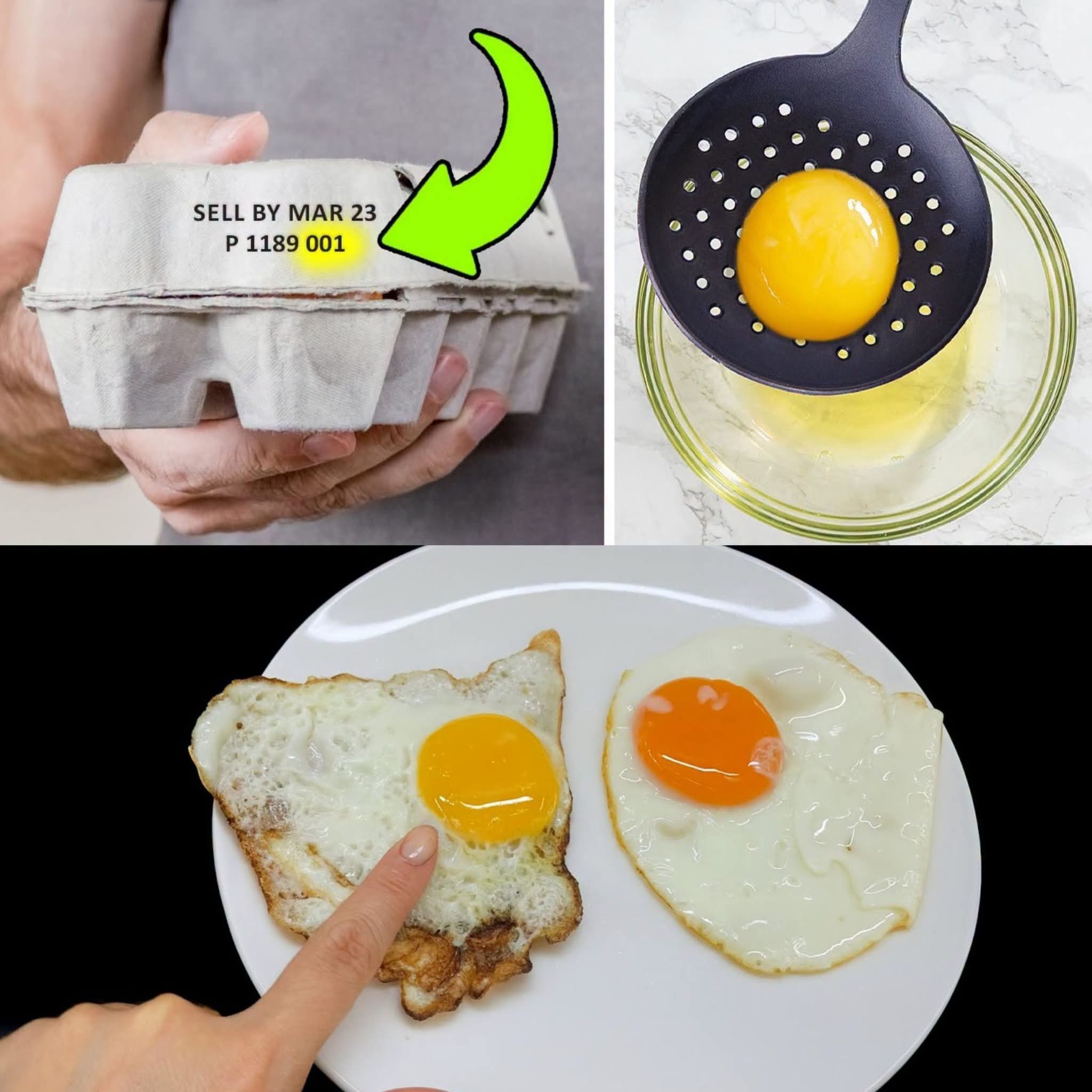
Eggs are one of those ingredients almost everyone has in the kitchen, but getting consistently perfect results isn’t always as easy as it looks. A fried egg can go from beautifully crisp around the edges to rubbery in just a few minutes. Scrambled eggs can become dry, boiled eggs can develop an unattractive gray-green ring, and peeling hard-boiled eggs can sometimes feel like a battle.
The good news is that a few simple techniques can make eggs much easier to cook, peel, store, and use.
Whether you’re making breakfast, baking a cake, preparing deviled eggs, or simply trying to avoid wasting food, these egg tips and tricks can make a noticeable difference.
Here are 10 egg tips and tricks you absolutely need to know.
1. Crack Eggs Into a Separate Bowl
One of the easiest habits to develop is cracking eggs into a small bowl before adding them to your recipe.
It might seem like an unnecessary extra step, but it can save an entire recipe.
Why?
Because occasionally you’ll open an egg and discover a bad smell, an unusual appearance, or a shell fragment. If you crack that egg directly into your cake batter, pancake mixture, or other ingredients, you’ve potentially contaminated the entire batch.
Cracking eggs separately also makes it much easier to remove stray shell pieces.
This technique is especially useful when you’re separating eggs for recipes that require whites and yolks.
Instead of cracking egg after egg directly into your mixing bowl, crack each one into a smaller container first. If everything looks and smells normal, add it to the main mixture.
It’s a tiny change that can prevent a surprisingly big kitchen problem.
2. Don’t Rely on the Egg Float Test Alone
You’ve probably heard of the classic egg freshness test: place an egg in a bowl of water.
According to the traditional method, a fresh egg sinks, an older egg stands upright, and a very old egg floats.
There is some truth behind this trick because eggs gradually develop a larger air cell as they age.
However, the float test mainly tells you about the age of the egg—not whether it is safe to eat.
An egg can float because it has aged, but that doesn’t automatically mean it is spoiled.
The best approach is to use several clues.
Check the date on the carton, inspect the shell for cracks or contamination, and crack questionable eggs into a separate bowl before using them. If an egg has an unusual appearance or unpleasant odor once opened, discard it.
And never taste an egg to determine whether it has spoiled.
The float test can be an interesting kitchen trick, but it shouldn’t be your only safety test.
3. Use a Gentle Simmer for Easier Hard-Boiled Eggs
Hard-boiled eggs are incredibly versatile, but getting the texture right can be tricky.
One useful technique is to avoid aggressively boiling the eggs for the entire cooking period.
Place the eggs in a saucepan and cover them with water. Bring the water to a boil, then reduce the heat to maintain a gentle simmer.
Cook until the yolks reach the texture you prefer.
For a classic fully cooked hard-boiled egg, a cooking time around 9–12 minutes is commonly used, depending on egg size, starting temperature, altitude, and your preferred texture.
Once they’re finished, transfer the eggs immediately to ice water.
The cold bath stops residual cooking and cools the eggs quickly.
It also makes them much easier to handle.
Remember that cooking times aren’t universal. Your stove, pan, egg size, and starting temperature can all affect the final result.
4. Put Cooked Eggs Into Ice Water
The ice bath deserves its own tip because it’s one of the simplest tricks for better hard-boiled eggs.
As soon as your eggs finish cooking, transfer them to a bowl filled with ice and cold water.
Let them cool for several minutes.
This accomplishes two things.
First, it rapidly lowers the temperature and helps prevent overcooking.
Second, the sudden temperature change can help separate the cooked egg from the shell membrane, making peeling easier.
When the eggs are completely cool, gently tap them against a hard surface and roll them to create cracks across the shell.
Peel under running water or while submerged in water if necessary.
The water can help loosen tiny shell pieces and make the peeling process less frustrating.
5. Add a Little Fat to Scrambled Eggs
Scrambled eggs don’t need many ingredients, but technique makes a huge difference.
Start with moderate heat rather than blasting the pan at maximum temperature.
Add butter or another cooking fat to the pan and let it melt without allowing it to burn.
Then add your beaten eggs.
Stir gently and continuously enough to form soft curds.
The biggest mistake is often cooking scrambled eggs until they look completely dry in the pan.
Eggs continue cooking from residual heat even after you remove them from the stove.
For creamy scrambled eggs, take them off the heat when they’re just set but still look slightly moist.
They will continue firming up on the plate.
You can also add a small amount of milk or cream if you enjoy that style, but excellent scrambled eggs don’t require a large amount of dairy.
The key is gentle heat and avoiding overcooking.
6. Add Salt at the Right Time
Salt isn’t just about flavor. When you add it can influence the texture of eggs.
For scrambled eggs, many cooks prefer seasoning the beaten eggs before cooking. This allows the seasoning to distribute evenly throughout the mixture.
However, there’s no single universally correct moment to add salt.
If you’re making fried eggs, seasoning after the egg enters the pan can give you more control over the final flavor.
For boiled eggs, seasoning the cooking water doesn’t significantly season the interior because the shell provides a barrier. You’re better off seasoning the cooked egg itself.
A simple pinch of salt can make an enormous difference to the flavor of an otherwise plain egg.
Don’t forget black pepper, paprika, chives, parsley, or other seasonings if you want to change things up.
7. Use Low-to-Medium Heat for Fried Eggs
Fried eggs are incredibly simple, which is exactly why technique matters.
If the pan is too hot, the bottom of the egg can become brown and crispy before the white has fully set.
If the heat is too low, the egg can cook slowly and develop an unpleasant texture.
A low-to-medium or medium heat is a good starting point.
Add enough cooking fat to prevent sticking, then carefully crack in the egg.
For a sunny-side-up egg, allow the white to cook gradually while keeping the yolk intact.
If you want the top of the white to cook more quickly without flipping the egg, cover the pan with a lid for a short period.
The trapped steam gently cooks the upper surface.
This is particularly useful when you want a set white and a runny yolk.
For over-easy or over-medium eggs, carefully flip the egg once the bottom has set.
Use a thin spatula and make one confident movement rather than repeatedly trying to reposition the egg.
8. Don’t Throw Away Egg Whites or Yolks
If a recipe calls for only egg whites or only yolks, don’t automatically throw away the leftovers.
Egg whites can be useful for:
- Meringues
- Macarons
- Egg-white omelets
- Cocktails and foams
- Certain cakes
- Homemade marshmallow-style desserts
- Breading mixtures
Egg yolks can be used for:
- Custards
- Pastry cream
- Homemade mayonnaise
- Lemon curd
- Hollandaise-style sauces
- Ice cream
- Rich cakes and desserts
You can store separated egg whites and yolks in clean, covered containers in the refrigerator and use them promptly according to food-safety guidance.
For longer storage, egg whites generally freeze well.
Yolks can also be frozen, but their texture changes unless they’re treated appropriately. For cooking and baking, it’s best to plan how you’ll use leftover yolks before freezing them.
Reducing food waste doesn’t have to be complicated.
Sometimes the ingredient you were about to throw away can become the star of another recipe.
9. Learn How to Tell When Eggs Are Done
One of the most important egg tricks is learning to judge doneness by appearance rather than blindly following a timer.
Timers are useful, but eggs can behave differently depending on their size, starting temperature, pan, heat level, and cooking method.
For scrambled eggs, look for soft curds rather than completely dry pieces.
For fried eggs, check whether the white has fully set while the yolk remains at your desired consistency.
For omelets, the exterior should be set while the interior can remain tender.
For hard-boiled eggs, the yolk should be cooked through if you’re aiming for a traditional hard-boiled texture.
If you’re cooking eggs for someone who is particularly vulnerable to foodborne illness, use appropriate food-safety practices and cook eggs thoroughly rather than relying on a runny texture.
The more eggs you cook, the easier it becomes to recognize their different stages visually.
10. Store Eggs Properly
Even the best egg-cooking technique doesn’t matter if eggs aren’t stored properly.
Keep eggs refrigerated at a consistent temperature.
Store them in their original carton whenever possible.
The carton protects the eggs and helps prevent them from absorbing odors from strongly scented foods.
Avoid leaving eggs sitting on the kitchen counter for extended periods.
If an egg becomes cracked during storage, don’t simply ignore it. Cracks can provide a pathway for bacteria to enter.
For hard-boiled eggs, refrigerate them promptly after cooking and keep them properly covered.
It’s also useful to remember that egg dishes can spoil more quickly than whole eggs because cooking and handling can introduce additional opportunities for contamination.
When in doubt about an egg or egg dish, don’t take chances.
Bonus Tip: Room-Temperature Eggs Can Help With Baking
Here’s a bonus trick that bakers especially appreciate.
Many baking recipes call for room-temperature eggs.
There’s a reason for that.
Eggs at room temperature can blend more easily with other ingredients such as butter, sugar, and dairy. This can help create a smoother batter and contribute to better mixing.
If you’ve forgotten to take your eggs out of the refrigerator, you don’t necessarily have to wait for hours.
Place the eggs, still in their shells, in a bowl of warm—not hot—water for several minutes.
Avoid using very hot water because you don’t want to partially cook the eggs.
This simple trick can bring refrigerated eggs closer to room temperature without a long wait.
Why Egg Technique Matters More Than You Think
Eggs are often treated as a basic ingredient because they’re inexpensive, readily available, and easy to cook.
But eggs are also incredibly sensitive to heat.
A difference of just a few minutes can change them from soft and creamy to firm and dry.
That is why learning a few basic techniques is more valuable than memorizing dozens of complicated recipes.
Once you understand how eggs react to heat, you can cook them confidently in many different ways.
You’ll know when to lower the heat, when to remove the pan from the stove, when to use an ice bath, and when a timer isn’t enough.
Frequently Asked Questions About Eggs
Should eggs be washed before cooking?
Generally, don’t wash commercially purchased eggs immediately before storing them. Washing can remove the protective coating on the shell and potentially make it easier for bacteria to enter. If you need to clean a dirty shell, follow appropriate food-safety guidance and avoid storing washed eggs unnecessarily.
Why does my hard-boiled egg have a green ring?
A greenish ring around the yolk usually results from a reaction involving sulfur and iron when eggs are overcooked or cooked at excessively high temperatures. It doesn’t necessarily mean the egg is spoiled. Proper cooking and rapid cooling can help prevent it.
Why are my scrambled eggs watery?
Watery scrambled eggs can result from overcooking, cooking at inappropriate temperatures, excess liquid, or other ingredients releasing water. Gentle cooking and removing the eggs from the heat while they’re still slightly moist can help.
Why do my boiled eggs crack while cooking?
Eggs can crack because of temperature shock, rough handling, or vigorous boiling. Lowering cold eggs gently into water and maintaining a gentle simmer can reduce cracking.
Why are some eggs harder to peel than others?
The freshness of the egg and the cooking and cooling method can affect peeling. Very fresh eggs can sometimes be more difficult to peel. Rapid cooling in an ice bath can also make peeling easier.
Can I freeze eggs?
Raw whole eggs shouldn’t generally be frozen in their shells because the liquid inside expands. If you want to freeze eggs, crack them out of the shells and use an appropriate freezer-safe method. Egg whites freeze particularly well.
Final Thoughts
Eggs may be simple, but mastering them can make everyday cooking much easier.
The most useful tricks are often the smallest ones: crack eggs separately, cook them gently, use an ice bath after boiling, avoid overcooking scrambled eggs, and store eggs properly.
You don’t need expensive equipment or complicated ingredients to improve your egg dishes.
You simply need to understand how eggs respond to heat, moisture, time, and handling.
The next time you’re making breakfast, baking a cake, preparing boiled eggs for lunch, or scrambling eggs for dinner, try one or two of these techniques.
You may be surprised by how much difference a small change can make.
And once these habits become second nature, eggs stop being one of those ingredients you simply “hope” will turn out well—and become one of the most reliable ingredients in your kitchen.