
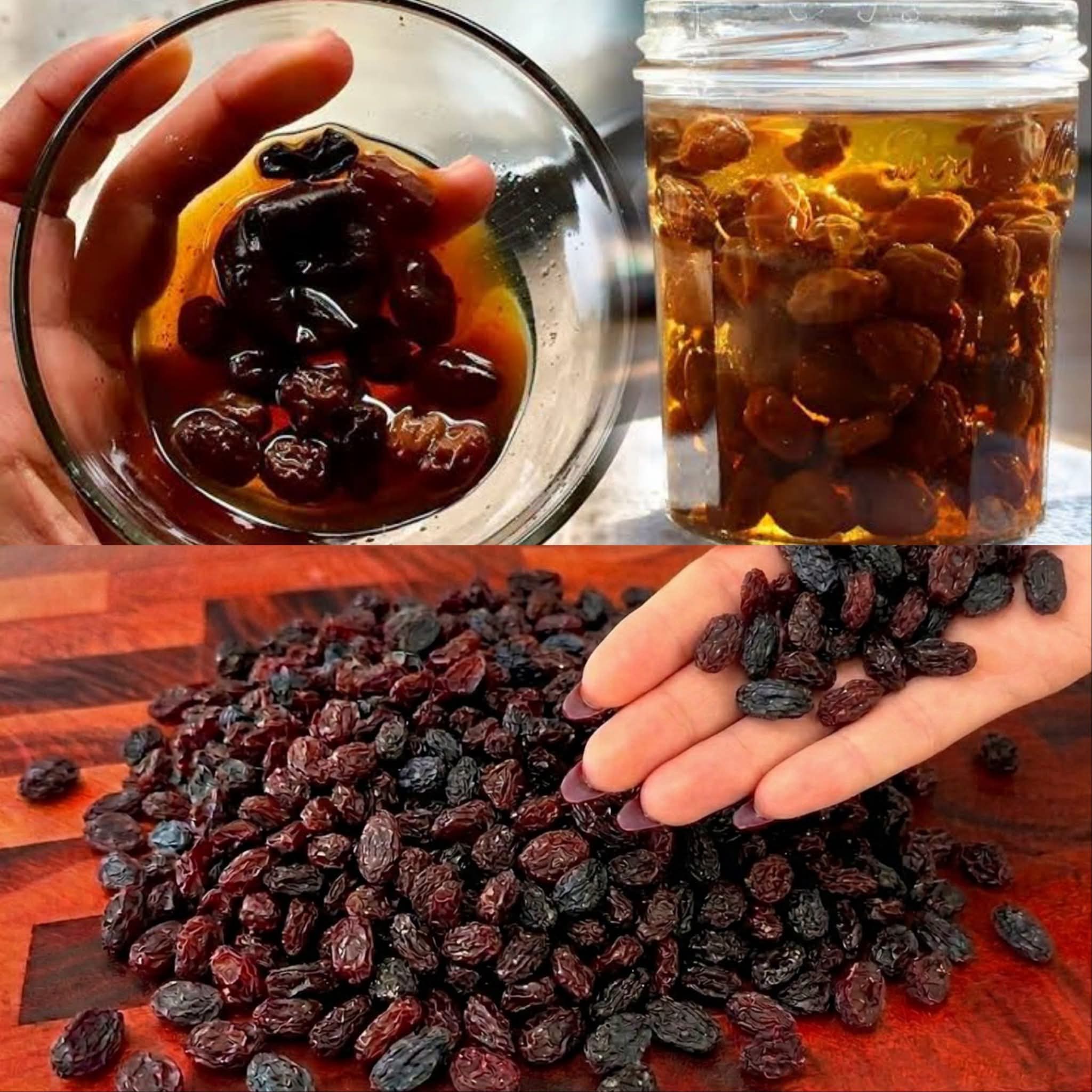
Raisins are one of those humble pantry ingredients that can easily be overlooked. They are small, inexpensive, naturally sweet, and surprisingly nutrient-dense. For generations, people have soaked dried fruit in water and enjoyed the resulting drink as part of their morning routine.
One version that has become especially popular is raisin water—raisins soaked in water for several hours or overnight, followed by drinking the infused water and sometimes eating the softened raisins.
You may have seen claims that this simple ritual can “cleanse” the kidneys, improve eyesight, detox the liver, heal the gut, strengthen the heart, and rebuild bones.
Those claims need some perspective.
There is no good evidence that raisin water can detoxify individual organs or cure diseases. Your kidneys and liver already have sophisticated systems for processing and removing waste, while eye, heart, digestive, and bone health depend on many factors, including overall diet, physical activity, sleep, genetics, age, and medical care.
However, raisins themselves do contain useful nutrients and plant compounds. Adding raisins to a balanced diet can be a convenient way to consume fiber, potassium, copper, and antioxidant compounds.
So rather than treating raisin water as a miracle remedy, think of it as a simple food-based hydration ritual that can complement an otherwise healthy lifestyle.
Here’s how to make it and what you should realistically know about its potential benefits.
What Is Raisin Water?
Raisin water is made by soaking raisins in water.
A simple method is to place a small handful of raisins in a glass or jar of drinking water and leave them covered in the refrigerator overnight.
The next morning, the water can be consumed, and the softened raisins can also be eaten.
There is an important distinction here: many of the nutrients and fiber in raisins remain in the fruit rather than magically transferring into the water.
That means if you’re interested in the nutritional benefits of raisins, eating the soaked raisins is generally more meaningful than drinking only the soaking water.
The water can still be a pleasant way to start the day, particularly if it encourages you to drink more fluids.
How to Make Raisin Water
You don’t need a complicated recipe.
Ingredients
- 1–2 tablespoons raisins
- 1 cup drinking water
Instructions
- Choose clean, good-quality raisins.
- Rinse them under running water.
- Place the raisins in a clean glass or jar.
- Add approximately 1 cup of drinking water.
- Cover the container.
- Refrigerate and allow the raisins to soak overnight.
- In the morning, drink the infused water.
- If desired, eat the softened raisins as part of breakfast.
There is no need to add sugar, honey, salt, lemon juice, or special powders.
The raisins already provide plenty of natural sweetness.
1. Raisin Water and Kidney Health
The kidneys constantly filter your blood and help regulate fluid, electrolytes, and waste products.
Because of this, the phrase “kidney cleanse” is frequently used in wellness marketing.
But your kidneys don’t need a special drink to perform their normal filtering functions.
There is no strong evidence that raisin water can flush toxins out of healthy kidneys or repair kidney disease.
What raisin water can do is contribute to your daily fluid intake.
Staying adequately hydrated is important for normal kidney function, although individual fluid needs vary considerably depending on factors such as climate, activity, diet, age, and health conditions.
If you have kidney disease, kidney stones, heart failure, or have been instructed by a healthcare professional to restrict fluids or potassium, don’t assume that raisin water is appropriate simply because it is natural.
Raisins are also relatively rich in potassium, so people with certain kidney conditions may need to limit high-potassium foods.
2. What About Eye Health?
Raisins contain plant compounds and antioxidants, which are part of a nutrient-rich diet that supports overall health.
However, drinking raisin water is not a proven way to improve eyesight or reverse vision problems.
Good eye health depends on a much broader nutritional picture.
Nutrients associated with eye health include vitamin A, vitamin C, vitamin E, zinc, lutein, and zeaxanthin, among others.
A varied diet containing vegetables, fruits, legumes, nuts, seeds, eggs, and other nutrient-rich foods is much more important than one particular drink.
If you notice blurred vision, eye pain, flashes, new floaters, sudden vision loss, or other concerning changes, don’t attempt to treat the problem with raisin water. Seek appropriate medical evaluation.
3. Raisins and Digestive Health
This is one area where raisins have a particularly practical advantage.
Whole raisins contain dietary fiber.
Fiber is important for normal digestive function and can help support regular bowel movements.
When you soak raisins, they become softer and easier to chew.
If you drink only the water and discard the fruit, however, you are leaving behind much of the raisin’s fiber.
That’s why eating the soaked raisins can be a better option if your goal is to include more fiber in your diet.
Fiber also supports the trillions of microorganisms living in the digestive tract because certain types of fiber can be fermented by gut bacteria.
Still, more isn’t always better.
Increasing fiber suddenly can cause gas, bloating, or abdominal discomfort, particularly in people who aren’t accustomed to eating much fiber.
Start gradually and drink enough fluid.
4. Can Raisin Water Support Heart Health?
Raisins contain potassium, a mineral involved in normal muscle and nerve function and blood-pressure regulation.
They also contain fiber and various plant compounds.
A diet rich in fruits and vegetables is generally associated with better cardiovascular health.
But it’s important not to turn this into a claim that raisin water treats high blood pressure or prevents heart disease.
Heart health depends on many factors, including blood pressure, cholesterol, smoking, physical activity, body weight, diet, diabetes status, genetics, and age.
One glass of raisin water cannot compensate for an otherwise unhealthy diet or lifestyle.
Think of raisins as one small piece of a much larger nutritional puzzle.
5. What Does Raisin Water Do for the Liver?
The liver is another organ that frequently appears in “detox” claims.
But the liver doesn’t need raisin water to be cleansed.
It already processes nutrients, medications, alcohol, and numerous substances circulating through the body.
There is no established evidence that soaking raisins in water creates a special liver-detoxifying beverage.
That doesn’t mean raisins are bad for the liver.
Whole fruits and dried fruits can fit into a balanced diet, although dried fruits are concentrated sources of natural sugars and calories because much of their water has been removed.
For supporting liver health, the fundamentals are much more important: maintaining a healthy weight when appropriate, limiting alcohol, eating a balanced diet, exercising regularly, and following medical advice for conditions that affect the liver.
6. Raisins and Bone Health
Raisins contain several minerals, including copper and potassium.
Copper is involved in normal connective tissue and bone metabolism, while other nutrients such as calcium, vitamin D, magnesium, phosphorus, and vitamin K also play important roles in maintaining healthy bones.
However, raisin water isn’t a bone-strengthening treatment.
If you’re concerned about osteoporosis or bone density, your overall intake of calcium and vitamin D, physical activity, resistance exercise, age, hormonal factors, and other medical considerations matter much more.
Eating soaked raisins can be part of a balanced diet, but they shouldn’t replace calcium-rich foods or treatments recommended by a healthcare professional.
7. Raisins Provide Antioxidant Compounds
One reason raisins are interesting nutritionally is that grapes naturally contain a variety of plant compounds.
Some of these compounds remain in dried grapes.
Antioxidants help protect cells from oxidative damage, although the word “antioxidant” is sometimes used in marketing as though consuming one particular food automatically prevents disease.
It doesn’t work that way.
Your body has its own antioxidant systems, and dietary antioxidants come from a wide variety of foods.
A colorful diet containing fruits, vegetables, legumes, whole grains, nuts, and seeds provides a much broader range of beneficial plant compounds than relying on one ingredient.
8. Raisin Water Can Be a Simple Morning Habit
Sometimes the biggest benefit of a food ritual is behavioral rather than magical.
If drinking a glass of raisin water in the morning encourages you to slow down, hydrate, eat breakfast, and establish a consistent routine, that’s useful.
Healthy habits often work because they’re simple enough to repeat.
The ritual might look like this:
Night:
Rinse a small amount of raisins and place them in water.
Morning:
Drink the water and eat the softened raisins.
Breakfast:
Add a source of protein, whole grains, fruit, or another nutritious food.
During the day:
Continue drinking water according to your individual needs.
There’s nothing mystical about the routine, but consistency can make healthy habits easier to maintain.
9. Don’t Forget That Raisins Are Dried Fruit
There is one important nutritional detail that shouldn’t be overlooked.
Raisins are grapes with most of their water removed.
That makes them convenient and shelf-stable, but it also concentrates their natural sugars and calories.
A large handful of raisins can contain considerably more sugar and calories than the equivalent weight of fresh grapes.
This doesn’t make raisins unhealthy.
It simply means portion size matters.
Instead of eating large amounts throughout the day, use a modest portion with foods such as:
- Oatmeal
- Plain yogurt
- Nuts
- Whole-grain cereal
- Salads
- Rice dishes
- Homemade energy snacks
Combining raisins with protein, healthy fats, or high-fiber foods can make a snack more satisfying.
10. Choose Unsweetened Raisins
When buying raisins, check the ingredient list.
Many products contain nothing more than raisins, but some dried-fruit products may contain added sugar or other ingredients.
If you’re making raisin water, plain unsweetened raisins are the simplest choice.
You don’t need raisins coated in sugar or flavored with syrups.
A short ingredient list is usually all you need.
How Long Should Raisins Soak?
There isn’t a medically established “perfect” soaking time.
Many people soak raisins overnight because it softens them and makes the routine convenient.
Approximately 8–12 hours is a practical timeframe if you’re preparing them for breakfast.
Keep the soaking container refrigerated rather than leaving it at room temperature overnight, particularly if the environment is warm.
Use clean utensils and a clean container.
If the water or raisins develop an unusual smell, appearance, or other signs of spoilage, discard them.
Can You Drink Raisin Water Every Day?
For most healthy people, a modest serving of raisins can fit into a balanced diet.
But there is no requirement to drink raisin water every day.
You don’t need a daily “detox” beverage to keep your kidneys or liver functioning normally.
If you enjoy the ritual, there’s generally nothing special about the water itself that makes it essential.
You can also simply eat raisins as part of meals or snacks.
In fact, eating the fruit gives you the fiber and nutrients that remain in the raisin rather than being left behind in the soaking water.
Who Should Be Careful With Raisin Water?
Although raisins are a normal food, they aren’t appropriate in unlimited amounts for everyone.
People with certain medical conditions may need to pay attention to their intake of potassium, carbohydrates, or natural sugars.
For example, individuals with kidney disease may have specific potassium or fluid restrictions.
People managing diabetes may also need to account for raisins as a concentrated carbohydrate source.
Anyone following a medically prescribed diet should check with their healthcare professional before making a daily raisin-water ritual part of their routine.
And if you’re taking medication or have a diagnosed condition affecting your kidneys, liver, heart, or metabolism, don’t use raisin water as a replacement for prescribed treatment.
Frequently Asked Questions
Does raisin water detox the body?
There is no good evidence that raisin water detoxifies the kidneys, liver, or entire body. Your liver and kidneys already perform important waste-processing and filtering functions.
Is it better to drink raisin water or eat the raisins?
If you’re interested in the nutritional value of raisins, eating the soaked raisins is generally more useful because the fruit contains the fiber and much of the nutrition. The water can simply be a pleasant part of the ritual.
Can raisin water improve eyesight?
There is no strong evidence that raisin water improves eyesight or reverses vision problems. Overall nutrition supports eye health, but persistent or sudden vision changes require appropriate medical attention.
Can raisin water clean the kidneys?
No special drink has been established as a kidney “cleanse.” Adequate hydration supports normal kidney function, but people with kidney disease may have different fluid and potassium requirements.
Is raisin water good for constipation?
Raisins contain fiber and can contribute to a diet that supports regular bowel movements. Eating the raisins is more relevant than drinking only the soaking water because the fiber is primarily in the fruit.
Can I add lemon to raisin water?
You can add lemon for flavor if you enjoy it, but lemon doesn’t transform raisin water into a detox treatment. Plain raisin water is perfectly adequate.
Should raisin water be consumed warm or cold?
There is no established health advantage to one temperature. If you’ve soaked the raisins overnight, you can drink the water chilled or allow it to warm slightly before drinking.
Final Thoughts
Raisin water is a simple, inexpensive ritual that can be enjoyable as part of a healthy morning routine.
Raisins themselves provide fiber, potassium, copper, and various plant compounds, making them a useful food when eaten in reasonable portions.
But it’s important to separate the nutritional value of raisins from the exaggerated claims sometimes made about raisin water.
There is no strong evidence that this drink can detoxify your liver, flush your kidneys, restore eyesight, strengthen bones, or cure digestive or heart problems.
The real value is much simpler.
Soak a modest portion of raisins in clean water overnight, keep them refrigerated, drink the water if you enjoy it, and consider eating the softened raisins too.
Then focus on the habits that have a much stronger foundation: eat a varied diet, stay appropriately hydrated, get regular physical activity, sleep well, avoid excessive alcohol, and follow medical advice when you have a health condition.
A small morning ritual can be a nice addition to a healthy lifestyle—but it doesn’t need to be a miracle cure to be worthwhile.