

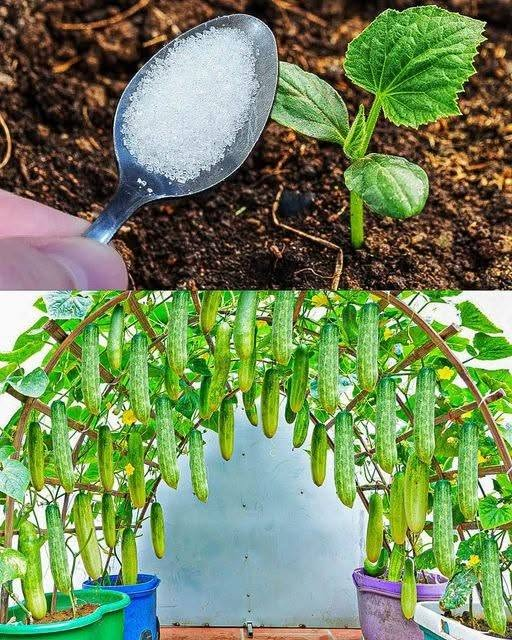
Growing healthy, productive cucumber plants is a goal shared by gardeners everywhere. Whether you have a large backyard garden or a few containers on a patio, there’s nothing more satisfying than harvesting crisp, fresh cucumbers throughout the season. While many gardeners rely on commercial fertilizers to boost growth, some of the best gardening solutions may already be sitting in your kitchen.
One surprisingly effective garden resource is the humble eggshell. Often thrown away without a second thought, eggshells contain valuable nutrients that can support healthy plant development. Many gardeners have discovered that adding eggshells to their cucumber-growing routine may help improve plant vigor, strengthen roots, and support better fruit production.
Although eggshells alone won’t magically double your cucumber harvest overnight, they can become a useful part of an organic gardening strategy that promotes healthier plants and improved yields.
Why Cucumbers Need Calcium
Calcium is one of the essential nutrients plants require for healthy growth. While nitrogen, phosphorus, and potassium often receive the most attention, calcium plays a critical role in plant structure and development.
Calcium helps:
- Build strong cell walls
- Support root development
- Improve nutrient absorption
- Strengthen plant tissues
- Enhance fruit quality
- Reduce certain growth disorders
When cucumber plants lack adequate calcium, they may experience weakened growth, poor fruit development, and increased susceptibility to stress.
Healthy cucumber plants require a balanced supply of nutrients throughout the growing season, and calcium contributes significantly to overall plant health.
What Makes Eggshells Valuable for the Garden?
Eggshells are composed primarily of calcium carbonate, the same compound found in many agricultural lime products used to improve soil quality.
In addition to calcium, eggshells contain small amounts of:
- Magnesium
- Phosphorus
- Potassium
- Trace minerals
While eggshells break down slowly, they gradually release nutrients into the soil over time, providing a long-lasting source of calcium.
Using eggshells in the garden offers several benefits:
- Reduces household waste
- Supports sustainable gardening
- Provides natural soil enrichment
- Costs nothing to recycle
- Helps improve soil health over time
How to Prepare Eggshells for Your Garden
Proper preparation helps maximize the benefits of eggshells.
Step 1: Collect the Shells
Save eggshells after cooking or baking. Store them in a clean container until you have enough to use.
Step 2: Rinse Thoroughly
Wash the shells to remove any remaining egg residue.
This helps prevent:
- Unpleasant odors
- Mold growth
- Attraction of pests
Step 3: Dry Completely
Allow the eggshells to air dry or place them in a warm oven for several minutes.
Dry shells are easier to crush and store.
Step 4: Grind into Powder
For the fastest results, grind the shells into a fine powder using:
- A coffee grinder
- Food processor
- Blender
- Mortar and pestle
The finer the powder, the faster it can break down in the soil.
How to Use Eggshells for Cucumber Plants
There are several ways to incorporate eggshells into your cucumber-growing routine.
Mix into the Soil Before Planting
One of the most effective methods is to add eggshell powder directly into the planting area before sowing seeds or transplanting seedlings.
Simply:
- Sprinkle eggshell powder into the planting hole
- Mix thoroughly with soil
- Plant cucumbers as usual
This places calcium close to the developing root system.
Use as a Side Dressing
As cucumber plants mature, additional nutrients become beneficial.
To apply:
- Sprinkle eggshell powder around the base of each plant
- Keep the powder a few inches away from the stem
- Lightly work it into the soil
- Water thoroughly
This gradual feeding method supports healthy growth throughout the season.
Make Eggshell Tea
Some gardeners prefer creating a calcium-rich liquid fertilizer.
Instructions:
- Add crushed eggshells to a container of water
- Let the mixture steep for several days
- Strain if desired
- Use the water to irrigate cucumber plants
Although the calcium release is relatively mild, it can provide a gentle nutrient boost.
Can Eggshells Really Double Cucumber Yield?
The idea that eggshells can instantly double cucumber production is an exaggeration.
Plant productivity depends on many factors, including:
- Sunlight
- Soil quality
- Water availability
- Pollination
- Temperature
- Pest control
- Nutrient balance
Eggshells alone cannot overcome major growing problems.
However, when used as part of a complete gardening program, eggshells may help create healthier plants that are capable of producing larger harvests.
Healthier roots and stronger plant structure often contribute to better fruit production over time.
Additional Benefits of Eggshells in the Garden
Natural Pest Deterrent
Crushed eggshell pieces create a rough surface around plants.
Some gardeners believe this helps discourage:
- Slugs
- Snails
- Certain crawling pests
While scientific evidence is mixed, many gardeners continue to use eggshell barriers successfully.
Supports Compost Quality
Eggshells make an excellent addition to compost piles.
They contribute:
- Calcium
- Minerals
- Improved nutrient diversity
When composted properly, eggshells help enrich the finished compost.
Reduces Household Waste
Reusing eggshells keeps valuable organic material out of landfills and gives it a second life in your garden.
Best Practices for Growing More Cucumbers
While eggshells can help, successful cucumber production relies on several key gardening practices.
Provide Full Sun
Cucumbers need at least 6 to 8 hours of direct sunlight daily.
Maintain Consistent Moisture
Water deeply and consistently.
Avoid allowing the soil to become completely dry between waterings.
Use Organic Matter
Enrich soil with:
- Compost
- Aged manure
- Leaf mold
Healthy soil supports vigorous growth.
Mulch Around Plants
Mulching helps:
- Retain moisture
- Suppress weeds
- Regulate soil temperature
Support Vining Varieties
Growing cucumbers on trellises improves:
- Air circulation
- Sun exposure
- Fruit quality
- Harvest efficiency
Encourage Pollinators
Bees and other pollinators are essential for cucumber production.
Planting flowers nearby can attract beneficial insects.
Common Mistakes to Avoid
Using Large Eggshell Pieces
Large shell fragments break down very slowly.
Finely ground powder works much better.
Expecting Immediate Results
Eggshells release nutrients gradually.
Benefits often become more noticeable over time.
Ignoring Soil Health
Even with eggshells, poor soil can limit cucumber growth.
Focus on overall soil improvement.
Overwatering
Too much water can damage roots and encourage disease.
Maintain balanced moisture levels.
Tips for Success
- Save eggshells year-round for spring planting.
- Grind shells into the finest powder possible.
- Combine eggshells with compost for added benefits.
- Apply eggshell powder before planting for best results.
- Use eggshell tea as a supplemental nutrient source.
- Rotate crops annually to reduce disease pressure.
- Monitor plants regularly for pests and nutrient deficiencies.
Final Thoughts
Eggshells may seem like a simple kitchen waste product, but they can become a valuable tool in the vegetable garden. Rich in calcium and easy to prepare, eggshells help support healthy cucumber growth while promoting sustainable gardening practices.
Although they won’t magically double your cucumber harvest overnight, incorporating eggshells into a well-balanced gardening routine can contribute to stronger plants, healthier roots, and potentially improved yields over time.
By combining eggshells with proper watering, fertile soil, adequate sunlight, and good garden management, you’ll give your cucumber plants the best opportunity to thrive throughout the growing season.
Frequently Asked Questions
Can eggshells replace fertilizer for cucumber plants?
No. Eggshells primarily provide calcium. Cucumbers also require nitrogen, phosphorus, potassium, and other nutrients for optimal growth.
How long do eggshells take to break down in soil?
Whole eggshells can take months or even years to decompose fully. Finely ground eggshell powder breaks down much faster.
How many eggshells should I use per cucumber plant?
A handful of finely crushed eggshell powder per planting hole is usually sufficient. Additional applications can be made throughout the growing season.
Can eggshells prevent blossom-end rot?
Calcium supports healthy fruit development, but blossom-end rot is often related to inconsistent watering and calcium transport issues rather than calcium deficiency alone.
Is eggshell tea effective?
Eggshell tea may provide a small amount of dissolved calcium and can be used as a supplemental treatment, though it should not be relied upon as the sole nutrient source.
Can eggshells be used for other vegetables?
Yes. Tomatoes, peppers, squash, eggplants, and many other vegetables may benefit from the calcium provided by eggshells.