
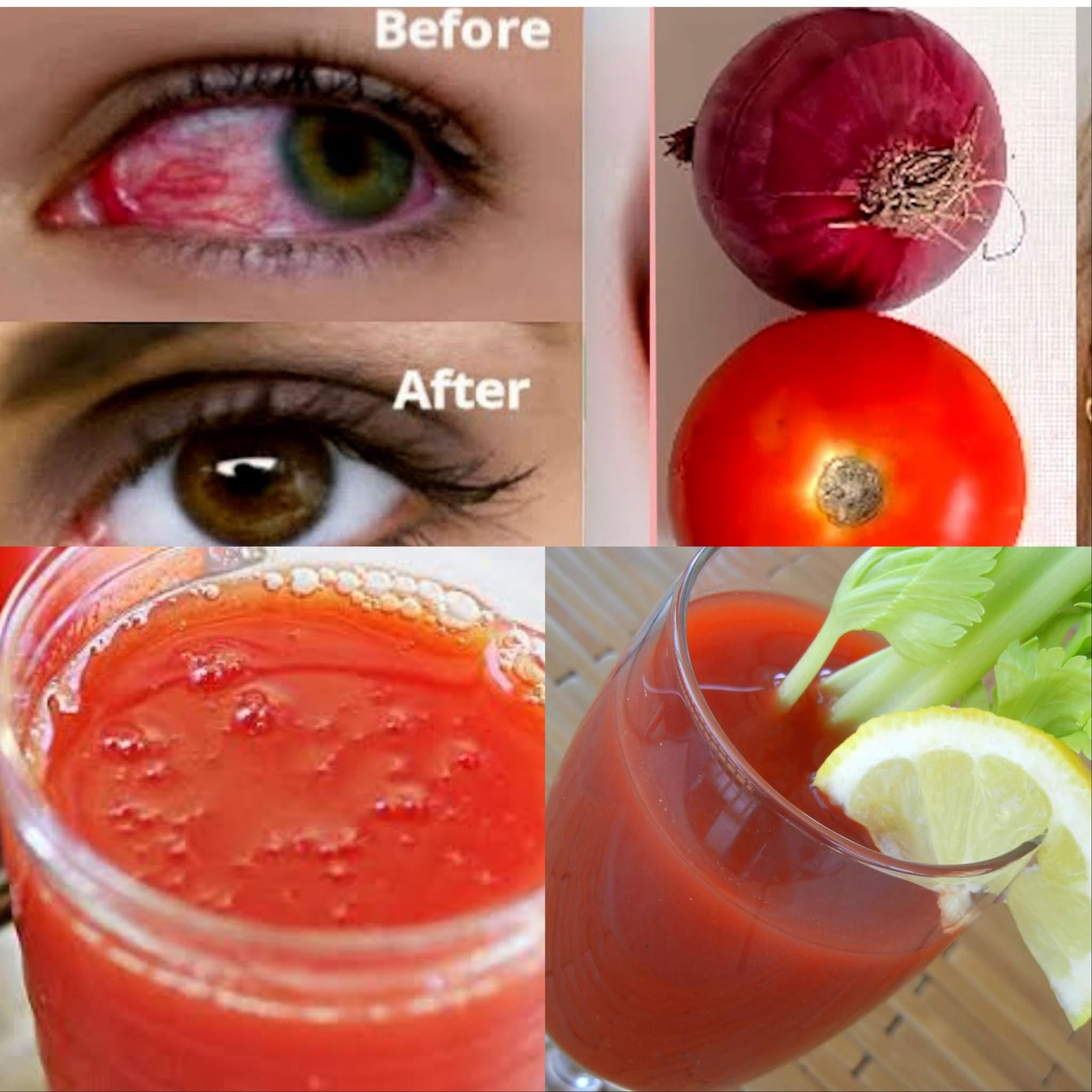
Tomatoes and onions are two simple kitchen staples that can easily become part of a balanced diet. Both contain plant compounds and nutrients that contribute to overall health, including nutrients involved in the body’s natural antioxidant defenses.
Tomatoes are especially known for their lycopene content, while onions contain plant compounds such as quercetin. Research into nutrition and eye health continues to examine how antioxidants, vitamins, carotenoids, and other plant compounds may support the normal function of the eyes.
That does not mean eating tomatoes and onions can restore eyesight, remove the need for glasses, or treat an eye condition. Vision problems can have many causes and should be evaluated by an eye-care professional.
Still, adding colorful vegetables to your meals is a simple way to improve the nutritional variety of your diet. A fresh tomato and onion salad takes only a few minutes to prepare and can be enjoyed as a side dish, snack, or light breakfast.
Why Tomatoes May Be Good for a Healthy Diet
Tomatoes provide several nutrients and plant compounds that make them a useful addition to a balanced eating pattern.
Tomatoes Are a Source of Lycopene
Lycopene is a carotenoid that gives ripe tomatoes their characteristic red color. It also has antioxidant properties that have been extensively studied in nutrition research.
Antioxidants help the body deal with oxidative stress. The eyes are exposed to light and oxygen throughout the day, and oxidative stress is one area researchers consider important in ocular health.
Eating tomatoes therefore contributes lycopene to the diet, but it is important to distinguish nutritional support from medical treatment.
Tomatoes Provide Vitamin C
Tomatoes also contain vitamin C, an antioxidant nutrient that contributes to normal immune function and helps protect cells from oxidative stress.
A varied diet containing fruits and vegetables is a practical way to obtain vitamin C along with other nutrients.
Tomatoes Add Carotenoids and Other Plant Compounds
Tomatoes contain several naturally occurring plant compounds in addition to lycopene. The nutritional value of tomatoes is therefore not limited to a single antioxidant.
Eating different vegetables throughout the week gives the body access to a wider range of vitamins, minerals, carotenoids, and polyphenols.
What Makes Onions a Useful Addition?
Onions provide flavor with very few ingredients, but they also contain naturally occurring plant compounds.
Onions Contain Quercetin
Quercetin is a flavonoid found in a number of fruits and vegetables, including onions. Flavonoids have antioxidant properties and are being studied for their potential relationship with various aspects of health, including ocular health.
However, much of the research involving specific compounds and eye conditions is experimental or still developing. It would be inaccurate to say that eating onions alone prevents or treats an eye disease.
Onions Add Sulfur-Containing Compounds
Onions also contain naturally occurring sulfur compounds that contribute to their characteristic aroma and flavor.
These compounds are part of what makes onions nutritionally interesting, but claims that a small daily serving directly improves blood flow to the eyes or repairs vision should not be presented as established medical facts.
Can Tomato and Onion Improve Eyesight?
No food can reliably restore lost eyesight or correct common refractive problems such as nearsightedness, farsightedness, or astigmatism.
Tomatoes and onions can be part of a nutritious diet, but they should not be considered a substitute for prescription glasses, contact lenses, medication, surgery, or professional eye care.
Nutrition is one part of maintaining general health. Eye health can also be affected by age, genetics, diabetes, blood pressure, smoking, medications, environmental exposure, and existing eye conditions.
For people with persistent blurry vision, eye pain, sudden vision changes, flashes, new floaters, or other concerning symptoms, professional evaluation is much more important than trying a food-based remedy.
A Simple Tomato and Onion Salad
If you enjoy the combination, there is no need to turn it into a complicated preparation.
Ingredients
- 1 ripe medium tomato
- ½ small red onion
- 1 teaspoon fresh lemon juice, optional
- A small pinch of salt, optional
- Freshly ground black pepper, optional
- 1 teaspoon extra-virgin olive oil, optional
The original version of this idea uses only tomato, onion, and lemon. The additional ingredients simply turn it into a more traditional salad.
How to Prepare It
Wash the tomato thoroughly under running water and pat it dry.
Cut the tomato into small pieces and place them in a bowl.
Peel the red onion and slice it very thinly. If you prefer a milder onion flavor, soak the sliced onion in cold water for a few minutes and drain it well.
Add the onion to the tomato.
Squeeze a little fresh lemon juice over the mixture if desired. Add black pepper and a small amount of salt.
For additional flavor and healthy fats, add a small drizzle of olive oil.
Gently toss everything together and serve fresh.
Should You Eat Tomato and Onion in the Morning?
You can eat this salad in the morning if you enjoy it, but there is no established evidence that it must be consumed on an empty stomach to support eye health.
The original five-day practice suggests eating the mixture first thing in the morning. There is no strong evidence that this particular timing makes the nutrients more effective.
If eating raw onion first thing in the morning causes heartburn, stomach discomfort, or bloating, there is no reason to force yourself to continue. Simply include tomatoes and onions in another meal that you tolerate well.
The overall quality of your diet matters much more than eating one particular combination at a particular time.
What About a Tomato and Onion Juice?
You can blend tomatoes and onions with water if you prefer a drink, but there is no special eye-health advantage to turning the ingredients into juice.
For most people, eating the vegetables whole has a practical advantage because it preserves the food’s natural structure and makes the meal more filling.
A simple chopped salad is therefore an easy option.
If you make a blended drink, prepare it fresh and avoid adding large amounts of sugar.
Why a Balanced Diet Matters for Eye Health
Eye health is influenced by many nutrients rather than one particular food.
Research has examined nutrients and plant compounds including vitamins A, C, and E, zinc, lutein, zeaxanthin, omega-3 fatty acids, carotenoids, and various polyphenols.
Lutein and zeaxanthin are especially notable because they are concentrated in the retina and macula. They are found in foods such as leafy green vegetables.
This is one reason it makes more sense to think about an overall eating pattern instead of looking for one “miracle” ingredient.
Tomatoes can be one part of that pattern. Onions can be another. Leafy greens, colorful vegetables, fruits, beans, whole grains, nuts, seeds, and appropriate sources of protein can provide a much broader range of nutrients.
Simple Ways to Add More Eye-Friendly Foods
Add Leafy Greens
Spinach, kale, and other dark leafy greens are important dietary sources of lutein and zeaxanthin.
Try adding spinach to eggs, soups, pasta, salads, or smoothies.
Eat More Colorful Vegetables
Carrots, sweet potatoes, peppers, tomatoes, and other colorful vegetables provide different carotenoids and nutrients.
Rotating your vegetables is an easy way to increase dietary variety.
Include Healthy Fats
Some nutrients are fat-soluble, meaning dietary fat can play a role in their absorption.
Adding a small amount of olive oil, nuts, seeds, avocado, or another nutritious fat to meals can make a vegetable-based meal more satisfying.
Choose Whole Foods Regularly
Rather than relying on a single food for a specific health benefit, build meals around a variety of minimally processed foods.
This approach provides a wider range of nutrients and makes healthy eating easier to maintain.
Tips for Making Tomato and Onion Salad
Choose Ripe Tomatoes
Use tomatoes that are ripe but still firm. They should have a fresh aroma and enough structure to hold their shape after chopping.
Slice the Onion Thinly
Thinly sliced onion distributes the flavor more evenly and makes the raw onion easier to eat.
Soak Strong Onions
If the onion tastes too sharp, place the slices in cold water for several minutes. Drain and pat them dry before adding them to the tomatoes.
Add Lemon Just Before Serving
Fresh lemon juice brightens the flavor and works particularly well with ripe tomatoes and red onions.
Don’t Prepare Too Far Ahead
Tomatoes release liquid after they are cut. For the freshest texture, prepare the salad shortly before eating.
Is There a Five-Day Eye Health Challenge?
A five-day tomato-and-onion routine can be used as a simple personal nutrition habit, but it should not be described as a scientifically proven eye-health treatment.
Eating these foods for five days will not correct a prescription, reverse cataracts, remove glaucoma, or restore damaged vision.
The useful part of the routine is simply encouraging people to eat more vegetables.
If you enjoy tomato and onion together, there is nothing wrong with making them part of your regular meals rather than limiting the habit to five days.
Important Eye Health Reminder
Food can contribute to good nutrition, but it cannot replace appropriate medical care.
Some eye conditions require regular monitoring and specific treatment. For example, nutritional supplements have evidence for particular stages of age-related macular degeneration, but those formulations and recommendations are different from simply eating tomatoes and onions.
If you already have an eye condition, ask your eye doctor whether any dietary changes or supplements are appropriate for you.
You should also seek prompt medical attention for sudden vision loss or significant changes in your vision.
Frequently Asked Questions
Can eating tomatoes improve eyesight?
Tomatoes provide lycopene, vitamin C, and other plant compounds that contribute to a nutritious diet. However, there is no good evidence that eating tomatoes can directly improve refractive vision or restore lost eyesight.
Are onions good for your eyes?
Onions contain quercetin and other plant compounds with antioxidant properties. They can be part of a healthy diet, but eating onions should not be considered a treatment for an eye condition.
Should I eat tomato and onion on an empty stomach?
You can eat them in the morning if you enjoy them and tolerate raw vegetables well. There is no established evidence that eating this combination on an empty stomach provides a special eye-health benefit.
How many days should I eat tomato and onion?
There is no medically established five-day course for tomato and onion. You can include these vegetables regularly as part of a varied diet.
Can tomato and onion remove the need for glasses?
No. Glasses correct refractive errors by changing how light is focused on the retina. Eating vegetables cannot replace a prescribed corrective lens.
Can I drink tomato and onion juice instead?
You can blend the ingredients into a drink, but there is no established eye-health advantage to drinking them instead of eating them as a salad.
Can I add olive oil?
Yes. A small amount of olive oil can improve the flavor and makes the salad more satisfying. It also fits easily into a Mediterranean-style eating pattern.
What other foods support eye health?
Leafy greens are particularly useful sources of lutein and zeaxanthin. A varied diet that includes vegetables, fruits, healthy fats, and appropriate protein sources provides a broader nutritional foundation for general eye health.
Can this mixture cure cataracts or glaucoma?
No. Tomato and onion cannot cure cataracts, glaucoma, macular degeneration, or other serious eye diseases. These conditions require appropriate evaluation and treatment.
Is this recipe safe for everyone?
Tomatoes and onions are common foods and are generally suitable for most people. However, raw onion and acidic foods can cause digestive discomfort or heartburn in some individuals. People with food allergies or specific medical dietary restrictions should follow advice from their healthcare professional.
Final Thoughts
Tomato and onion make a simple, fresh combination that can easily fit into a nutritious eating pattern. Tomatoes provide lycopene and vitamin C, while onions provide compounds such as quercetin. Research continues to explore how antioxidants and other plant compounds relate to ocular health, but nutrition should be viewed as one part of overall eye care rather than a replacement for medical treatment.
If you enjoy this combination, make it a regular part of your meals instead of treating it as a short-term cure. Pair it with other colorful vegetables, leafy greens, healthy fats, and a varied diet.
Most importantly, if you notice changes in your vision, don’t wait for a food remedy to solve the problem. An eye examination can identify issues that cannot be detected through diet alone.