

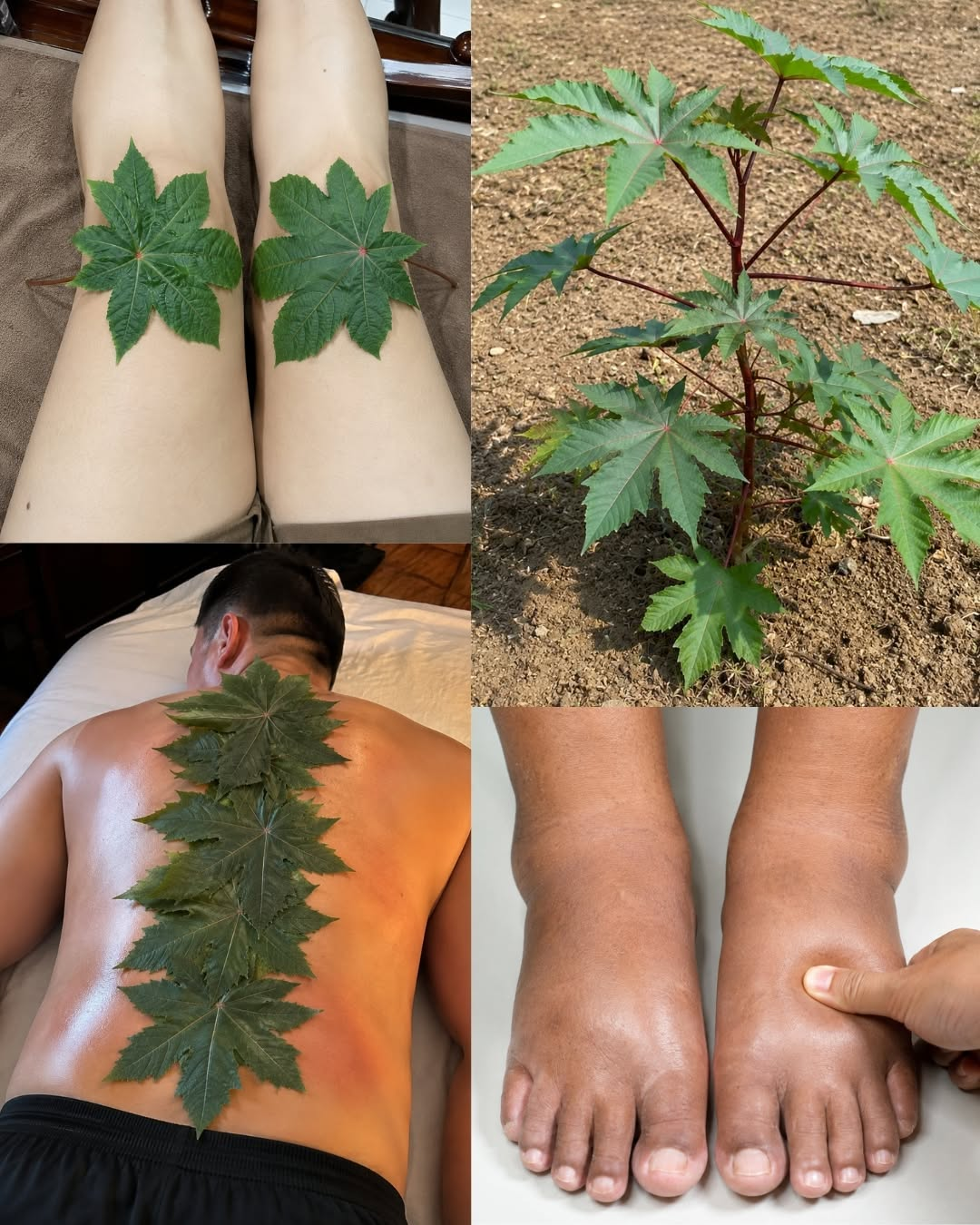
Castor (Ricinus communis) is a remarkable plant that has been valued in traditional wellness practices for centuries. While castor oil is widely recognized for its many household and cosmetic uses, both castor leaves and castor seeds have also played important roles in traditional remedies across different cultures.
Castor leaves are often used externally in poultices and compresses, while castor seeds are primarily known as the source of castor oil. The plant contains a variety of natural compounds that have been associated with skin care, digestive support, hair care, and general wellness.
However, it is important to remember that raw castor seeds are highly toxic and should never be eaten. Only properly processed castor oil should be used according to recommended guidelines.
In this guide, we’ll explore the traditional benefits of castor leaves and castor seeds, how they are commonly used, and important safety precautions to keep in mind.
What Are Castor Leaves and Castor Seeds?
Castor is a fast-growing tropical plant that produces large, star-shaped leaves and spiky seed pods. The seeds are used to produce castor oil, a thick vegetable oil rich in ricinoleic acid.
Traditionally, various parts of the plant have been used in folk medicine for:
- Skin care
- Hair care
- Digestive support
- Joint comfort
- Minor wound care
- External compresses
Although many traditional uses exist, scientific evidence varies depending on the specific benefit being discussed.
Benefits of Castor Leaves
Anti-Inflammatory Support
One of the most common traditional uses of castor leaves is as a warm compress for sore muscles and joints.
The leaves contain natural plant compounds that may help provide soothing comfort when applied externally. Many traditional practitioners use castor leaf wraps to ease temporary discomfort associated with physical strain or stiffness.
Traditional Use
- Warm fresh castor leaves slightly.
- Place them over the affected area.
- Cover with a clean cloth.
- Leave in place for 20–30 minutes.
This method has been used traditionally to promote relaxation and comfort.
Supports Natural Wound Care
Castor leaves have long been used in folk medicine for minor cuts, scrapes, and insect bites.
Their traditional use is based on the belief that they help keep the affected area clean while supporting the body’s natural healing process.
Traditional Use
- Wash fresh leaves thoroughly.
- Crush gently to release natural moisture.
- Apply to the affected area.
- Secure with a clean bandage if desired.
Always clean wounds properly and seek medical attention for serious injuries.
May Help Ease Menstrual Discomfort
Warm castor leaf compresses are commonly used as a natural comfort remedy during menstruation.
The warmth combined with gentle pressure may help promote relaxation and provide temporary relief from abdominal discomfort.
Traditional Use
- Warm castor leaves gently.
- Place them over the lower abdomen.
- Relax for 20–30 minutes.
Some people also use castor oil packs for a similar purpose.
Supports Immune Health
Traditional herbal practices often use castor leaves as part of wellness routines aimed at supporting the body’s natural defenses.
While scientific evidence remains limited, the leaves contain plant compounds that have attracted interest for their potential antioxidant activity.
Traditional Use
Some cultures prepare herbal infusions from castor leaves. However, because castor plant parts can contain potentially harmful compounds, internal use should only be considered under professional guidance.
Supports Skin Health
Castor leaves are sometimes used externally for various skin concerns.
Traditional users apply leaf preparations to areas affected by minor irritation, itching, or dryness.
Traditional Use
- Prepare a cooled leaf compress.
- Apply gently to the skin.
- Avoid broken or infected skin unless advised by a healthcare professional.
Benefits of Castor Seeds and Castor Oil
Digestive Support
Castor oil extracted from castor seeds has long been used as a stimulant laxative.
The active compound ricinoleic acid helps stimulate intestinal movement, which may provide short-term relief from occasional constipation.
How It Works
Ricinoleic acid interacts with receptors in the intestines, encouraging bowel movement.
How to Use
Use only commercially prepared castor oil and follow product instructions carefully.
Excessive use may cause:
- Diarrhea
- Dehydration
- Abdominal cramping
- Electrolyte imbalance
Supports Healthy Hair
Castor oil is one of the most popular natural oils used in hair care.
Although evidence that it directly increases hair growth is limited, it can help moisturize the scalp and reduce hair breakage, making hair appear fuller and healthier.
Why People Use It
- Helps moisturize dry hair
- Reduces scalp dryness
- Improves shine
- Helps reduce breakage
How to Use
- Massage a small amount into the scalp.
- Leave on for several hours or overnight.
- Wash thoroughly with shampoo.
Regular use may improve the overall appearance of hair.
Natural Skin Moisturizer
Castor oil is a rich emollient that helps lock moisture into the skin.
Because of its thick consistency, it creates a protective barrier that helps reduce water loss.
Benefits for Skin
- Softens dry skin
- Helps improve skin texture
- Supports moisture retention
- Can be used on rough areas such as elbows and heels
How to Use
Apply a small amount to clean skin and massage gently until absorbed.
Supports Minor Skin Healing
Castor oil is frequently used in home remedies for minor skin concerns due to its moisturizing and protective properties.
Its ability to keep skin hydrated may help support the natural healing process.
Traditional Applications
- Dry patches
- Rough skin
- Minor scrapes
- Chapped areas
Always discontinue use if irritation develops.
Antimicrobial Properties
Laboratory studies suggest that castor oil may possess antimicrobial and antifungal properties.
This is one reason it has traditionally been used in skin-care applications.
However, castor oil should not replace medical treatment for infections.
Practical Tips for Using Castor Leaves and Castor Oil
Choose High-Quality Castor Oil
Always purchase:
- Cold-pressed castor oil
- Hexane-free varieties when possible
- Products from reputable manufacturers
Perform a Patch Test
Before applying castor oil or castor leaf preparations:
- Apply a small amount to the inner arm.
- Wait 24 hours.
- Check for redness, itching, or irritation.
Store Properly
Keep castor oil:
- In a cool place
- Away from direct sunlight
- In a tightly sealed container
Use Moderately
More is not always better. Excessive application can leave skin greasy and may cause irritation in sensitive individuals.
Safety Precautions and Side Effects
Raw Castor Seeds Are Toxic
This is the most important safety warning.
Raw castor seeds contain ricin, a highly poisonous substance that can be dangerous or even fatal if consumed.
Never eat raw castor seeds.
Castor Oil as a Laxative
Overuse may cause:
- Severe diarrhea
- Stomach cramps
- Dehydration
- Electrolyte imbalance
Use only occasionally and according to professional guidance.
Pregnancy Warning
Castor oil has traditionally been used to stimulate labor.
Because it may trigger uterine contractions, pregnant women should not use castor oil for this purpose without direct medical supervision.
Allergic Reactions
Some people may experience:
- Skin irritation
- Itching
- Rash
- Redness
Stop use immediately if symptoms occur.
Final Thoughts
Castor leaves and castor seeds have been used for generations in traditional wellness practices. From soothing skin and supporting hair care to providing short-term digestive relief through castor oil, this versatile plant continues to attract interest around the world.
While many traditional uses remain popular today, it is important to approach castor remedies responsibly. Raw castor seeds should never be consumed due to their toxicity, and internal use of castor oil should always follow appropriate guidelines.
Used safely and appropriately, castor leaves and castor oil can be valuable additions to a natural wellness routine while complementing, not replacing, professional medical care.
Frequently Asked Questions
Are castor leaves safe to use on the skin?
Castor leaves are traditionally used externally and are generally well tolerated by many people. However, perform a patch test first to check for sensitivity.
Can I eat castor seeds?
No. Raw castor seeds contain ricin, a highly toxic compound that can cause serious poisoning. They should never be consumed.
Does castor oil help hair grow faster?
There is limited scientific evidence that castor oil directly increases hair growth. However, it may help reduce breakage, improve scalp moisture, and make hair appear thicker and healthier.
Can castor oil help with constipation?
Yes. Castor oil is a stimulant laxative and may provide temporary relief from occasional constipation. Use it carefully and follow dosage instructions.
Is castor oil good for dry skin?
Yes. Castor oil is a natural moisturizer that helps lock in moisture and soften rough, dry skin.
Can pregnant women use castor oil?
Pregnant women should consult a healthcare provider before using castor oil, especially internally, because it may stimulate uterine contractions.
How often should I apply castor oil to my hair?
Most people use castor oil one to three times per week as part of a hair-care routine.
Does castor oil have side effects?
Possible side effects include skin irritation, allergic reactions, stomach cramps, diarrhea, and dehydration when taken orally in excessive amounts.