

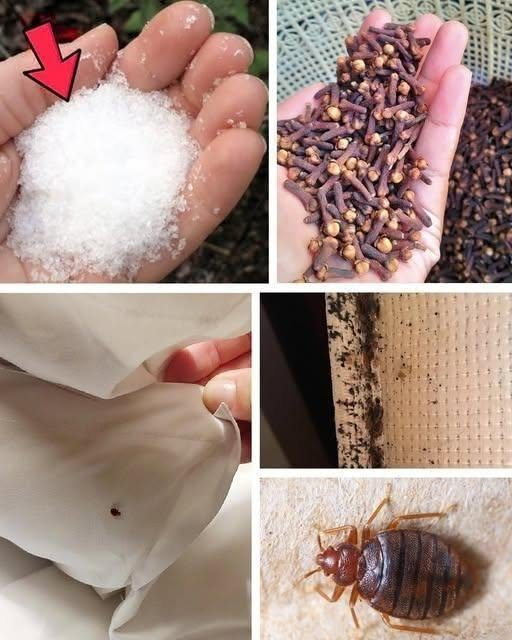
Few household problems are as frustrating as discovering bed bugs in your home. These tiny insects can hide in mattresses, furniture, carpets, and cracks in walls, making them difficult to eliminate. While many people turn to chemical pesticides, natural alternatives have become increasingly popular due to concerns about safety, toxicity, and environmental impact.
Among the most effective natural pest control methods are diatomaceous earth and cloves. Both have been used for years as non-toxic solutions to help manage bed bugs and a variety of other household pests. When used correctly, they can provide an affordable and environmentally friendly way to reduce infestations without exposing your family or pets to harsh chemicals.
In this guide, you’ll learn how diatomaceous earth and cloves work, how to use them effectively, and which other insects they may help control.
Why Choose Natural Pest Control?
Many commercial insecticides contain strong chemicals that may cause irritation, allergic reactions, or environmental concerns. Natural pest control methods offer several advantages:
- Lower toxicity when used correctly
- Affordable and widely available
- Environmentally friendly
- Suitable for long-term prevention
- Can be used alongside other pest management strategies
Although natural remedies may require patience and repeated application, they can be valuable tools in an integrated pest-control plan.
What Is Diatomaceous Earth?
Diatomaceous earth (DE) is a naturally occurring powder made from fossilized aquatic organisms called diatoms. Under a microscope, these tiny fossils have sharp edges that can damage the protective outer layer of insects.
Unlike chemical pesticides that poison insects, diatomaceous earth works mechanically by damaging their exoskeleton and absorbing protective oils, eventually causing dehydration.
Why Diatomaceous Earth Works
When insects crawl across food-grade diatomaceous earth:
- Their protective wax coating becomes damaged.
- Moisture escapes from their bodies.
- They gradually dehydrate and die.
This process is effective against many crawling insects, including bed bugs, ants, cockroaches, fleas, and silverfish.
Using Diatomaceous Earth Against Bed Bugs
Bed bugs are notoriously difficult to eliminate because they hide in tiny spaces during the day and emerge at night to feed.
Diatomaceous earth can help reduce their population when applied correctly.
Step 1: Thoroughly Clean the Area
Before applying DE:
- Wash bedding in hot water.
- Dry items on high heat.
- Vacuum mattresses, carpets, furniture, and cracks.
- Dispose of vacuum contents immediately.
Cleaning helps expose hiding places and improves treatment effectiveness.
Step 2: Apply Food-Grade Diatomaceous Earth
Only use food-grade diatomaceous earth for household pest control.
Apply a thin layer to:
- Mattress seams
- Bed frames
- Baseboards
- Carpet edges
- Cracks and crevices
- Behind furniture
- Around electrical outlets (following safety precautions)
Avoid creating thick piles, as insects may simply walk around them.
Step 3: Allow Time for Treatment
Leave the powder undisturbed for several days to one week.
During this period:
- Avoid wet cleaning treated areas.
- Minimize vacuuming.
- Allow insects to come into contact with the powder.
Step 4: Vacuum and Repeat
After treatment:
- Vacuum thoroughly.
- Reapply if necessary.
- Continue monitoring for signs of activity.
Multiple treatments are often required for severe infestations.
Using Cloves to Repel Bed Bugs
Cloves contain aromatic compounds, particularly eugenol, which many insects find unpleasant.
While cloves generally work better as a repellent than a killer, they can be useful as part of a broader pest management strategy.
Clove Sachets
One simple method involves placing cloves around areas where bed bugs may hide.
How to Make Clove Sachets
You will need:
- Whole cloves
- Small fabric bags or sachets
Place the cloves inside the bags and position them:
- Near mattresses
- Inside closets
- In drawers
- Around furniture
- Near luggage storage areas
The strong scent may discourage pests from settling nearby.
Clove Essential Oil Spray
A homemade spray can help refresh treated areas.
Ingredients
- 10–15 drops clove essential oil
- 1 cup water
- Spray bottle
Directions
- Mix ingredients well.
- Shake before each use.
- Lightly spray around bed frames, furniture, and cracks.
Avoid spraying directly on delicate fabrics without testing first.
Other Household Pests Controlled by Diatomaceous Earth and Cloves
Ants
Ants frequently enter homes searching for food and water.
Using DE Against Ants
Apply a thin layer:
- Along ant trails
- Near entry points
- Around windows and doors
Using Cloves Against Ants
Place whole cloves:
- Inside cabinets
- Near food storage areas
- Around entry points
The scent may help discourage ant activity.
Cockroaches
Cockroaches can be difficult to eliminate due to their ability to hide in small spaces.
Best Places to Apply DE
- Under sinks
- Behind appliances
- Around pipes
- Inside cabinets
- Near garbage areas
Clove sachets can be added to these areas for additional deterrence.
Fleas
Pet owners often struggle with flea infestations.
Using DE for Fleas
Apply food-grade DE to:
- Pet bedding
- Carpets
- Furniture
- Cracks in flooring
Leave for 24–48 hours before vacuuming.
Always consult your veterinarian before applying any substance directly to pets.
Silverfish
Silverfish thrive in humid environments.
Apply DE:
- In bathrooms
- Basements
- Storage areas
- Behind bookshelves
Clove sachets may also help discourage activity.
Mosquitoes
Diatomaceous earth is ineffective against flying insects.
However, clove oil is commonly used in homemade mosquito-repellent blends.
Simple Mosquito Spray
Mix:
- Clove oil
- Water
- Witch hazel (optional)
Spray around outdoor seating areas for temporary protection.
Benefits of Using Natural Pest Control Methods
Chemical-Free Protection
Many homeowners prefer natural solutions because they reduce reliance on synthetic pesticides.
Budget-Friendly
Both cloves and diatomaceous earth are affordable and widely available.
Long-Term Prevention
Regular use can help reduce future infestations and create less attractive conditions for pests.
Environmentally Friendly
Natural remedies generally have less environmental impact than many conventional pesticides.
Important Safety Tips
Use Food-Grade Diatomaceous Earth Only
Never use pool-grade diatomaceous earth indoors.
Pool-grade DE is chemically treated and unsafe for household pest control.
Avoid Inhaling Dust
When applying DE:
- Wear a mask if necessary.
- Apply gently to minimize airborne particles.
- Keep children away during application.
Use Essential Oils Carefully
Clove oil is highly concentrated and may irritate:
- Skin
- Eyes
- Respiratory systems
Always dilute before use.
Keep Away from Pets
Store cloves, essential oils, and DE safely away from pets and children.
Tips for Better Results
Combine Multiple Methods
Natural pest control works best when combined with:
- Regular cleaning
- Vacuuming
- Laundry sanitation
- Clutter reduction
Seal Entry Points
Prevent reinfestation by sealing:
- Cracks
- Gaps around pipes
- Window openings
- Door thresholds
Be Consistent
Natural methods often require repeated applications for maximum effectiveness.
Monitor Regularly
Inspect:
- Mattresses
- Furniture
- Carpets
- Pet bedding
Early detection makes pest control much easier.
Final Thoughts
Diatomaceous earth and cloves offer practical, natural alternatives for managing bed bugs and other household pests. While they may not provide the instant results of some chemical pesticides, they can be highly effective when used consistently and correctly.
Food-grade diatomaceous earth works by physically damaging insects and causing dehydration, while cloves help repel pests through their strong aroma. Together, they can become valuable tools in a safe and environmentally conscious pest-control strategy.
For severe infestations, professional pest control may still be necessary, but these natural solutions can play an important role in prevention and ongoing management.
Frequently Asked Questions
Does diatomaceous earth kill bed bugs instantly?
No. Diatomaceous earth works gradually by damaging the insect’s protective coating, causing dehydration over time.
How long does diatomaceous earth take to work?
Results may appear within a few days, but complete control often requires one to two weeks or longer depending on infestation size.
Can I sprinkle diatomaceous earth directly on my mattress?
Yes, a light layer can be applied to mattress seams and cracks, but excess powder should be vacuumed away before sleeping.
Do cloves kill bed bugs?
Cloves primarily act as a repellent. They may help discourage bed bugs but are not considered a standalone extermination method.
Is food-grade diatomaceous earth safe around pets?
Food-grade DE is generally considered safer than many pesticides, but avoid allowing pets to inhale large amounts of dust.
Can cloves repel cockroaches?
The strong aroma of cloves may help discourage cockroaches from certain areas, especially when combined with proper sanitation.
Will these methods eliminate severe infestations?
Natural remedies can help reduce pest populations, but severe infestations often require professional treatment for complete elimination.
How often should I reapply diatomaceous earth?
Reapply after vacuuming, cleaning, or whenever the powder becomes wet or disturbed.