

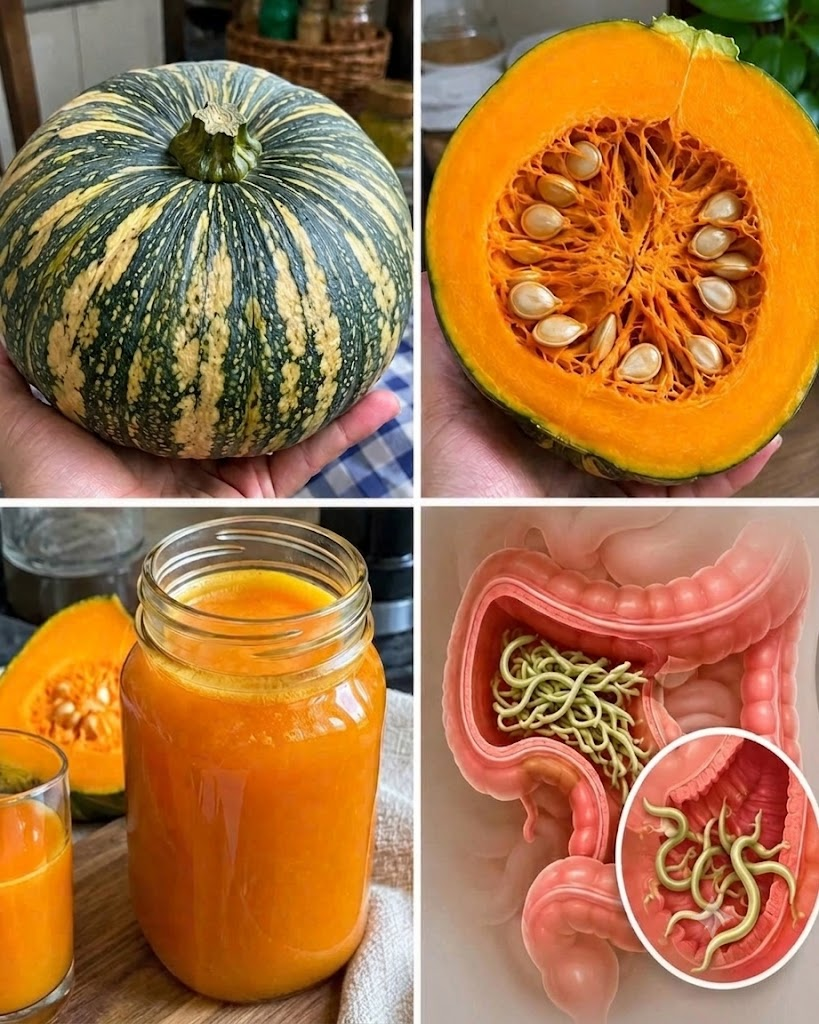
Pumpkin and cloves have been valued in traditional kitchens for generations, not only because they add rich flavor to meals but also because they provide nutrients that support overall wellness. While some people believe this combination can “cleanse parasites,” there is currently no strong scientific evidence that eating pumpkin and cloves can eliminate intestinal parasites in humans. However, these ingredients can be part of a balanced diet that supports digestive health, regular bowel movements, and a healthy gut environment.
Pumpkin is naturally rich in fiber, vitamins, minerals, and antioxidants that nourish the digestive system. Pumpkin seeds provide healthy fats, protein, magnesium, and zinc, while cloves contain antioxidant compounds and essential oils that have been studied for their antimicrobial properties in laboratory settings.
Instead of viewing this recipe as a miracle remedy, think of it as a wholesome, nutrient-rich addition to your wellness routine. Combined with a healthy lifestyle, it may help promote digestive comfort and support overall health.
Why Pumpkin Is Good for Digestive Health
Pumpkin is one of the most nutrient-dense vegetables you can add to your diet. It contains both soluble and insoluble fiber, which work together to support healthy digestion.
Fiber helps food move smoothly through the digestive tract while supporting regular bowel movements. It also feeds beneficial gut bacteria, helping maintain a balanced microbiome that plays an important role in digestion and immune function.
Pumpkin is also an excellent source of:
- Vitamin A
- Vitamin C
- Potassium
- Beta-carotene
- Vitamin E
- Antioxidants
These nutrients help protect cells from oxidative stress while supporting overall wellness.
The Benefits of Pumpkin Seeds
Although many people focus only on pumpkin flesh, the seeds are equally nutritious.
Pumpkin seeds contain:
- Magnesium
- Zinc
- Iron
- Healthy unsaturated fats
- Plant protein
- Fiber
Laboratory research has examined pumpkin seed compounds for their potential biological activity, but more human studies are needed before conclusions can be made regarding parasite control.
Even without those claims, pumpkin seeds remain an excellent food for supporting heart health, digestion, and daily nutrition.
Why Cloves Have Been Used Traditionally
Cloves are well known for their warm aroma and bold flavor.
They contain:
- Eugenol
- Antioxidants
- Manganese
- Small amounts of fiber
- Various plant compounds
Laboratory studies suggest that cloves possess antimicrobial and antioxidant properties. While these findings are interesting, they should not be interpreted as proof that cloves can treat intestinal parasites or digestive diseases in humans.
Adding small amounts of cloves to recipes may simply increase antioxidant intake while enhancing flavor.
How Pumpkin and Cloves Work Together
Pumpkin provides fiber and moisture that help support healthy digestion, while pumpkin seeds contribute healthy fats and minerals. Cloves add aromatic compounds and antioxidants that complement the recipe both nutritionally and in flavor.
Olive oil is often included because healthy fats improve the absorption of fat-soluble nutrients like beta-carotene, allowing the body to make better use of pumpkin’s natural vitamins.
Together, these ingredients create a balanced recipe that supports digestive wellness without relying on exaggerated health claims.
Pumpkin and Clove Digestive Wellness Recipe
Ingredients
- 2 cups cooked pumpkin puree
- ¼ cup raw pumpkin seeds
- ½ teaspoon ground cloves
- 1 tablespoon extra virgin olive oil
- ½ teaspoon cinnamon (optional)
- 1 teaspoon honey (optional)
- Pinch of sea salt
Instructions
- Cook fresh pumpkin until soft, or use unsweetened pumpkin puree.
- Blend the cooked pumpkin until smooth.
- Stir in the olive oil.
- Add the ground cloves and cinnamon.
- Mix in the pumpkin seeds.
- Sweeten with honey if desired.
- Sprinkle with a small pinch of sea salt.
- Serve warm as a breakfast, snack, or light side dish.
How This Recipe May Support Digestion
Because pumpkin contains fiber, it may help support normal bowel movements and digestive regularity.
Fiber also slows digestion slightly, which can help you feel full longer after eating.
Pumpkin seeds contribute healthy fats and protein that make the recipe more satisfying, while cloves add antioxidants that complement a healthy eating pattern.
Although this mixture may help some people feel less bloated as part of an overall balanced diet, it should not be considered a detox, cleanse, or parasite treatment.
Lifestyle Habits That Support a Healthy Gut
Nutrition works best when combined with healthy daily habits.
For better digestive health:
- Drink plenty of water.
- Eat a variety of fruits and vegetables.
- Include whole grains in your meals.
- Exercise regularly.
- Get enough sleep.
- Reduce highly processed foods.
- Include fermented foods like yogurt or kefir when appropriate.
- Manage stress through relaxation or physical activity.
These evidence-based habits have far more scientific support than any single food or recipe.
Tips for the Best Results
Use Fresh Pumpkin When Possible
Fresh pumpkin provides excellent flavor and texture, although canned pumpkin puree without added sugar also works well.
Don’t Skip the Healthy Fat
Adding olive oil helps your body absorb fat-soluble nutrients such as beta-carotene.
Grind Whole Cloves Carefully
Whole cloves provide the freshest flavor. Grind only the amount you need for the recipe.
Enjoy in Moderation
Cloves have a very strong flavor, so a small amount is usually enough.
Pair with a Balanced Diet
No single recipe can replace healthy eating habits. Enjoy this dish alongside vegetables, lean proteins, whole grains, and healthy fats.
Store Properly
Keep leftovers refrigerated in an airtight container for up to three days.
Frequently Asked Questions
Can pumpkin and cloves remove parasites?
There is no reliable scientific evidence that eating pumpkin and cloves can eliminate intestinal parasites in humans. Anyone who suspects a parasite infection should seek medical evaluation and appropriate treatment.
Is pumpkin good for digestive health?
Yes. Pumpkin is rich in dietary fiber, vitamins, and antioxidants that support healthy digestion and regular bowel movements.
Are pumpkin seeds healthy?
Absolutely. Pumpkin seeds provide protein, healthy fats, magnesium, zinc, iron, and antioxidants that contribute to overall wellness.
Can I eat this recipe every day?
Most healthy adults can enjoy pumpkin as part of a balanced diet. Because cloves have a strong flavor, they are generally best used in moderate amounts.
Does olive oil improve the recipe?
Yes. Olive oil provides heart-healthy fats and helps improve the absorption of beta-carotene found in pumpkin.
Can children eat this recipe?
Yes, when prepared with age-appropriate ingredients and textures. However, avoid giving whole pumpkin seeds to young children due to choking risk.
Does this recipe help with bloating?
Some people may notice improved digestive comfort because pumpkin contains fiber. However, bloating has many possible causes, and persistent digestive symptoms should be discussed with a healthcare professional.
Final Thoughts
Pumpkin and cloves create a flavorful, nutrient-rich recipe that can support digestive wellness as part of a balanced diet. Pumpkin contributes fiber, vitamins, and antioxidants, while pumpkin seeds provide minerals, protein, and healthy fats. Cloves add aromatic flavor and beneficial plant compounds that complement the recipe.
Although this traditional combination is often promoted online as a parasite cleanse, current scientific evidence does not support using it to treat or prevent intestinal parasites. Instead, enjoy this recipe for its nutritional value and as one piece of an overall healthy lifestyle that includes a varied diet, regular physical activity, adequate hydration, and routine medical care when needed.