

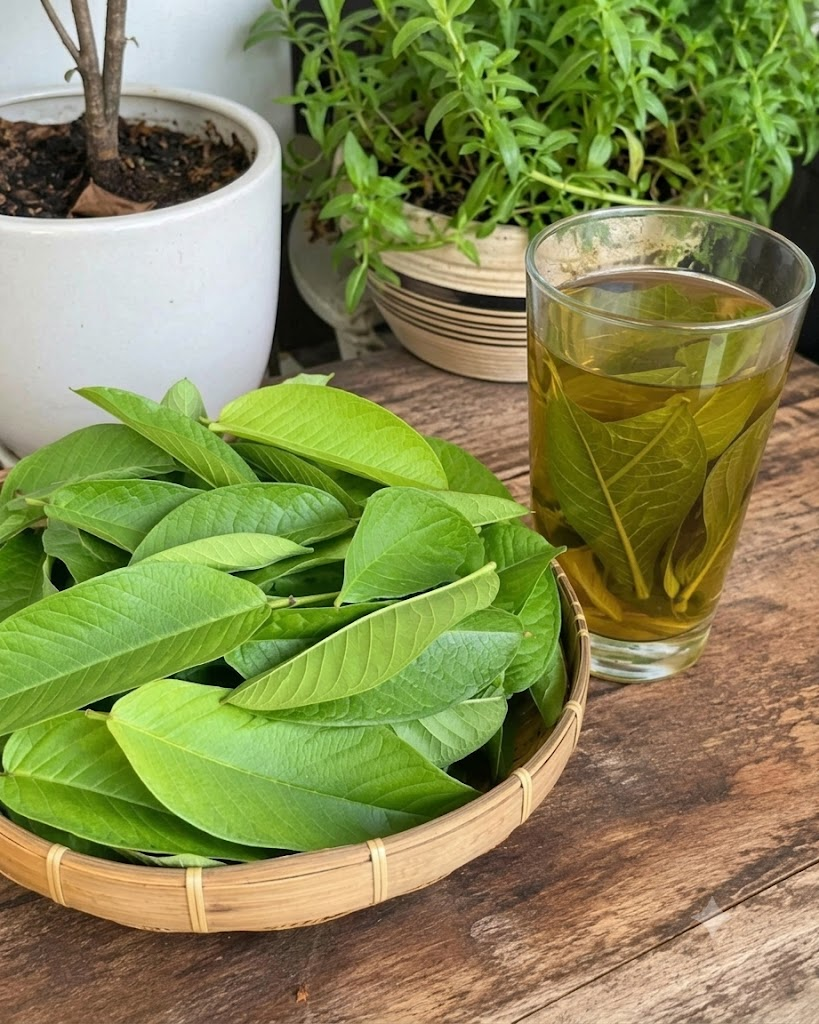
Guava leaf tea has been enjoyed for generations in many parts of the world as a traditional herbal beverage. In recent years, it has attracted growing interest because researchers have studied its potential role in supporting healthy blood sugar levels, digestion, and overall metabolic wellness.
While headlines often promise dramatic results, the truth is more balanced. Guava leaf tea is not a cure for diabetes and should never replace prescribed medications or medical advice. However, when combined with a nutritious diet, regular exercise, and healthy lifestyle habits, it may provide supportive benefits for people looking to maintain healthy glucose metabolism.
The leaves of the guava tree contain naturally occurring antioxidants, flavonoids, tannins, and other plant compounds that have been investigated for their ability to influence carbohydrate digestion and reduce oxidative stress. These properties have made guava leaf tea a popular choice among people seeking natural ways to complement their overall wellness routine.
If you’re curious about how guava leaf tea works, its potential benefits, and the best way to prepare it, here’s everything you need to know.
What Is Guava Leaf Tea?
Guava leaf tea is made by steeping fresh or dried leaves from the guava tree (Psidium guajava) in hot water. Unlike the sweet tropical fruit, the leaves have an earthy, mildly herbal flavor with subtle bitter notes.
For centuries, traditional medicine systems have used guava leaves for digestive health, immune support, and general wellness. Modern research is now exploring many of these traditional uses to better understand how the natural compounds found in the leaves may benefit the body.
Because the tea contains virtually no calories or sugar, it can be an excellent beverage choice for people looking to reduce sugary drink consumption.
Why Blood Sugar Balance Matters
Blood sugar naturally rises after eating as carbohydrates are broken down into glucose. The body responds by releasing insulin, allowing glucose to move from the bloodstream into the cells where it can be used for energy.
When this system becomes less efficient, blood sugar levels may remain elevated for longer periods or fluctuate dramatically throughout the day.
Large glucose swings may contribute to:
- Mid-morning or afternoon energy crashes
- Increased hunger and cravings
- Difficulty concentrating
- Feeling sluggish after meals
- Irritability caused by fluctuating energy levels
Supporting stable blood sugar isn’t about eliminating carbohydrates completely. Instead, it’s about helping the body process meals more efficiently while maintaining consistent energy throughout the day.
How Guava Leaf Tea May Support Healthy Blood Sugar
One reason researchers are interested in guava leaves is their rich concentration of polyphenols and flavonoids.
Some laboratory and clinical studies suggest these compounds may help slow the digestion of certain carbohydrates. This gradual digestion may contribute to a more moderate rise in blood sugar after meals instead of a rapid spike.
Rather than acting like medication, guava leaf tea appears to support the body’s normal metabolic processes.
Potential mechanisms include:
- Supporting healthy glucose metabolism
- Helping slow carbohydrate breakdown
- Providing antioxidant protection
- Supporting healthy insulin function
- Promoting overall metabolic wellness
Although these findings are promising, larger clinical studies are still needed before definitive health claims can be made.
Rich Source of Natural Antioxidants
Guava leaves contain numerous antioxidants that help protect cells from oxidative stress.
Oxidative stress occurs naturally as part of metabolism but may increase due to poor diet, chronic inflammation, environmental exposure, and aging.
Some of the important antioxidants found in guava leaves include:
Flavonoids
Flavonoids help protect cells from free radical damage and support overall cardiovascular and metabolic health.
Quercetin
Quercetin is a well-known plant compound studied for its antioxidant and anti-inflammatory properties.
Catechins
Catechins are also found in green tea and contribute to the body’s natural antioxidant defenses.
Together, these compounds help support healthy aging by protecting cells from everyday oxidative damage.
Benefits for Digestive Health
Traditional herbal medicine has long used guava leaf tea to support healthy digestion.
Many people report that drinking the tea after meals leaves them feeling lighter and more comfortable.
Potential digestive benefits may include:
- Supporting normal digestion
- Promoting gut comfort
- Helping maintain healthy bowel function
- Supporting a balanced digestive environment
Because digestion and blood sugar are closely connected, maintaining healthy digestive function may also contribute to better metabolic wellness.
May Help Support Healthy Weight Management
No tea alone can produce significant weight loss.
However, replacing sugary beverages with unsweetened guava leaf tea may help reduce overall calorie intake.
Its ability to support steady energy after meals may also help reduce unnecessary snacking caused by rapid blood sugar fluctuations.
Combined with regular exercise and balanced nutrition, guava leaf tea can fit into a healthy weight management plan.
Other Potential Health Benefits
Besides blood sugar support, research has explored several additional areas where guava leaf tea may offer benefits.
Supports Heart Health
The antioxidants found in guava leaves may help support healthy blood vessels and normal circulation as part of an overall heart-healthy lifestyle.
Supports Immune Function
Natural plant compounds work alongside vitamin-rich foods to help support the body’s normal immune defenses.
Promotes Healthy Aging
Reducing oxidative stress may contribute to healthier cells and tissues throughout the body.
How to Make Guava Leaf Tea
Preparing guava leaf tea at home is simple.
Ingredients
- 8–10 fresh guava leaves or 1 tablespoon dried guava leaves
- 2 cups water
- Lemon slice (optional)
- Cinnamon stick (optional)
Instructions
- Wash fresh guava leaves thoroughly.
- Bring the water to a gentle boil.
- Add the guava leaves.
- Reduce the heat and simmer for 10–15 minutes.
- Remove from heat.
- Strain the tea into a cup.
- Add lemon or cinnamon if desired.
- Serve warm.
For the greatest health benefits, drink the tea without adding sugar.
Best Time to Drink Guava Leaf Tea
Many people prefer drinking guava leaf tea:
- After breakfast
- After lunch
- Before or after dinner
Some research suggests drinking it after meals may help support healthy post-meal glucose responses.
If you are taking diabetes medication, speak with your healthcare provider before adding guava leaf tea regularly, since combining natural products with medication may affect blood sugar levels.
Helpful Tips
- Choose fresh, pesticide-free guava leaves whenever possible.
- Avoid adding sugar or sweetened syrups.
- Store dried leaves in an airtight container away from heat and moisture.
- Pair the tea with balanced meals that include protein, healthy fats, and fiber.
- Stay consistent rather than expecting overnight results.
- Continue monitoring blood sugar if recommended by your healthcare provider.
- Remember that tea works best as part of a healthy lifestyle—not as a replacement for medical treatment.
Frequently Asked Questions
Can guava leaf tea cure diabetes?
No. There is no scientific evidence that guava leaf tea cures diabetes. It may support healthy blood sugar management as part of an overall treatment plan, but it should never replace prescribed medication.
How often can I drink guava leaf tea?
Many people enjoy one to two cups daily. If you have diabetes or take medications, consult your healthcare provider before making it a regular habit.
Is guava leaf tea safe?
For most healthy adults, moderate consumption appears to be safe. However, pregnant or breastfeeding women and individuals with medical conditions should seek professional medical advice before using herbal remedies regularly.
Can I sweeten guava leaf tea?
It’s best to drink it plain. If needed, consider a small amount of a low-calorie sweetener instead of sugar, especially if you’re monitoring blood glucose.
Can I use dried leaves instead of fresh ones?
Yes. High-quality dried guava leaves work well and are available in many herbal tea shops and online stores.
Does guava fruit have the same benefits as the leaves?
Guava fruit is highly nutritious and rich in vitamin C and fiber, but the leaves contain different plant compounds that researchers have specifically studied for blood sugar support.
Final Thoughts
Guava leaf tea is a traditional herbal beverage with a long history of use and growing scientific interest. Its rich supply of flavonoids, quercetin, and other antioxidants may help support healthy blood sugar metabolism, digestive wellness, and overall health when combined with a balanced lifestyle.
Although it is not a miracle cure or substitute for medical treatment, incorporating unsweetened guava leaf tea into your daily routine may be a simple way to enjoy additional plant-based nutrients. Pair it with regular physical activity, nutritious meals, adequate sleep, and routine medical care for the best long-term support for your overall health.