

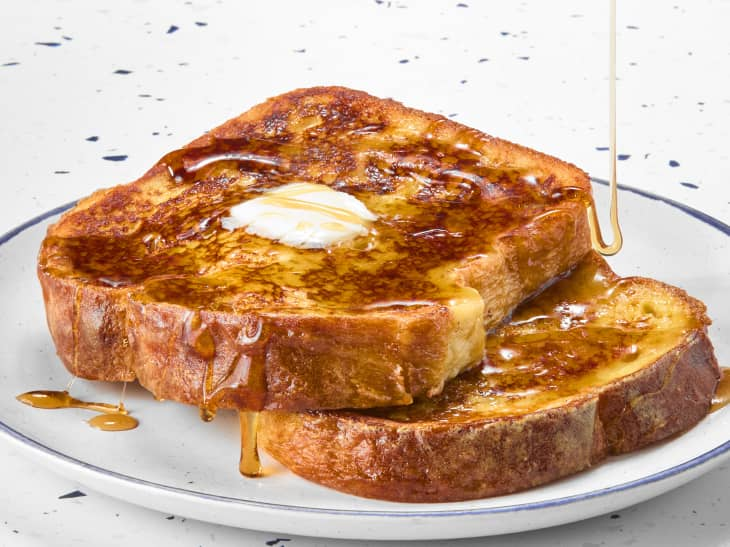
There’s something timeless about a plate of perfectly cooked French toast. Crispy and golden on the outside, soft and custardy on the inside, it’s the kind of breakfast that feels comforting whether you’re serving it on a lazy Sunday morning or preparing a special brunch for family and friends.
The secret to exceptional French toast isn’t complicated—it’s all about choosing the right bread, creating a rich egg custard, and cooking each slice slowly enough to develop a beautiful golden crust while keeping the center tender. This recipe delivers restaurant-quality French toast every single time using simple pantry ingredients.
Whether you enjoy your French toast with maple syrup, fresh berries, powdered sugar, or whipped cream, this classic recipe is endlessly customizable and guaranteed to become your favorite breakfast treat.
Why You’ll Love This Perfect French Toast
This recipe stands out because it combines simplicity with incredible flavor.
Crispy Outside, Soft Inside
The rich custard mixture creates a creamy center while the butter gives each slice a perfectly crisp, golden crust.
Easy to Make
With just a handful of common ingredients, you can prepare an impressive breakfast in less than 30 minutes.
Perfect for Any Occasion
Serve it for:
- Weekend brunch
- Holiday breakfasts
- Mother’s Day
- Christmas morning
- Birthday breakfasts
- Family gatherings
Easily Customized
Add your favorite spices, fruits, syrups, or flavored extracts to make it your own.
Ingredients
For the French Toast
- 8 thick slices brioche, challah, or Texas toast
- 4 large eggs
- 1 cup whole milk
- ¼ cup heavy cream
- 2 tablespoons granulated sugar
- 1 tablespoon pure vanilla extract
- 1 teaspoon ground cinnamon
- ¼ teaspoon ground nutmeg
- Pinch of salt
- 2 tablespoons unsalted butter (for cooking)
Optional Toppings
- Maple syrup
- Powdered sugar
- Fresh strawberries
- Blueberries
- Bananas
- Fresh raspberries
- Butter
- Whipped cream
- Toasted pecans
- Chopped walnuts
- Honey
- Cinnamon sugar
Best Bread for French Toast
Choosing the right bread makes all the difference.
Brioche
Rich, buttery, and fluffy, brioche absorbs the custard beautifully while maintaining its structure.
Challah
Slightly sweet with a soft crumb, challah creates wonderfully tender French toast.
Texas Toast
Its thick slices prevent sogginess and create a hearty breakfast.
French Bread
Day-old French bread develops an amazing chewy texture after cooking.
Sourdough
Adds a subtle tangy flavor that pairs wonderfully with maple syrup.
Why Day-Old Bread Works Best
Slightly stale bread absorbs more custard without falling apart.
Fresh bread often becomes mushy, while older bread soaks up the egg mixture evenly and cooks into a perfect texture.
If your bread is fresh, leave slices uncovered for a few hours or lightly toast them before dipping.
How to Make Perfect French Toast
Step 1: Prepare the Custard
In a large shallow bowl whisk together:
- Eggs
- Milk
- Heavy cream
- Sugar
- Vanilla
- Cinnamon
- Nutmeg
- Salt
Whisk until completely smooth.
Step 2: Heat the Pan
Place a large skillet or griddle over medium heat.
Add butter and allow it to melt completely.
The butter should sizzle gently but not burn.
Step 3: Dip the Bread
Place one slice of bread into the custard.
Allow it to soak for about 15–20 seconds.
Flip and soak the other side for another 15–20 seconds.
Avoid soaking too long or the bread may become too soft.
Step 4: Cook
Transfer the soaked bread to the hot skillet.
Cook for 3–4 minutes on the first side.
Flip carefully.
Cook another 2–4 minutes until golden brown.
Repeat with remaining slices, adding more butter as needed.
Step 5: Keep Warm
Place cooked French toast on a baking sheet in a 200°F (95°C) oven while finishing the remaining slices.
This keeps every piece warm without becoming soggy.
Secrets to the Best French Toast
Use Thick Bread
Thin slices become soggy and tear easily.
Choose slices at least ¾ to 1 inch thick.
Don’t Skip Heavy Cream
Adding cream creates a richer, silkier custard.
Cook Slowly
Medium heat cooks the eggs evenly.
High heat burns the outside before the inside is cooked.
Butter Is Better
Butter adds incredible flavor and creates a beautiful golden crust.
Flavor Variations
Cinnamon Roll French Toast
Add:
- Extra cinnamon
- Cream cheese glaze
Orange Vanilla
Mix in:
- Orange zest
- Extra vanilla
Pumpkin Spice
Replace cinnamon with pumpkin pie spice.
Chocolate Lover’s
Sprinkle chocolate chips between slices before serving.
Coconut French Toast
Add shredded coconut to the custard mixture.
Delicious Topping Ideas
Classic toppings include:
- Maple syrup
- Butter
- Powdered sugar
Fresh fruit combinations:
- Strawberries
- Blueberries
- Peaches
- Blackberries
- Bananas
Crunchy toppings:
- Pecans
- Almonds
- Granola
Sweet additions:
- Nutella
- Peanut butter
- Honey
- Caramel sauce
Serving Suggestions
French toast pairs wonderfully with:
- Crispy bacon
- Breakfast sausage
- Scrambled eggs
- Fresh fruit salad
- Greek yogurt
- Hash browns
- Smoothies
- Fresh orange juice
- Coffee
- Hot chocolate
Make-Ahead Instructions
You can prepare the custard mixture one day ahead.
Store covered in the refrigerator.
Whisk again before using.
French toast can also be fully cooked and refrigerated for up to three days.
Freezing Instructions
Allow cooked slices to cool completely.
Place them in a single layer on a baking sheet.
Freeze for one hour.
Transfer to freezer bags.
Store for up to two months.
How to Reheat
Oven
Bake at 350°F (175°C) for 8–10 minutes.
Air Fryer
Heat at 350°F for 3–4 minutes.
Toaster
Perfect for restoring crispy edges.
Microwave
Heat for 30–45 seconds, though the toast will be softer.
Common Mistakes to Avoid
Using Thin Bread
Thin bread often tears and becomes soggy.
Cooking Over High Heat
High temperatures burn the outside while leaving the center undercooked.
Skipping the Butter
Butter creates the rich flavor and crisp texture that make French toast irresistible.
Over-Soaking
Too much soaking can cause the bread to fall apart.
Crowding the Pan
Leave space between slices so they brown evenly.
Nutrition Information
Approximate per serving (2 slices):
- Calories: 390
- Protein: 14g
- Carbohydrates: 35g
- Fat: 21g
- Saturated Fat: 10g
- Cholesterol: 210mg
- Sodium: 350mg
- Fiber: 2g
- Sugar: 10g
Nutrition values may vary depending on ingredients and toppings used.
Expert Tips for Perfect French Toast
- Use day-old bread for the best texture.
- Choose brioche or challah for a rich, bakery-style result.
- Whisk the custard thoroughly so the spices are evenly distributed.
- Let excess custard drip off before placing bread in the skillet.
- Cook over medium heat for even browning.
- Wipe the skillet and add fresh butter between batches if needed.
- Warm your maple syrup before serving for an extra touch of indulgence.
- Add a splash of orange zest or almond extract for a unique flavor twist.
- Keep cooked slices warm in the oven so everyone can enjoy breakfast together.
- Finish with fresh fruit for color, freshness, and natural sweetness.
Frequently Asked Questions
What is the best bread for French toast?
Brioche and challah are the top choices because they are rich, sturdy, and absorb the custard without falling apart. Texas toast and thick-cut French bread also work very well.
Can I make French toast without heavy cream?
Yes. Replace the heavy cream with additional whole milk or use half-and-half. The texture will be slightly lighter but still delicious.
Why is my French toast soggy?
French toast becomes soggy when the bread is too fresh, soaked for too long, or cooked over heat that is too high. Use thick, slightly stale bread and cook over medium heat.
Can I prepare French toast ahead of time?
Absolutely. Cook the slices completely, refrigerate them for up to three days, and reheat in the oven, air fryer, or toaster before serving.
Can I freeze French toast?
Yes. Freeze cooled slices in a single layer, then transfer them to a freezer-safe bag. They will keep well for up to two months.
Can I make this recipe dairy-free?
Yes. Substitute the milk and cream with almond milk, oat milk, soy milk, or another dairy-free alternative, and use plant-based butter for cooking.
How do I know when the French toast is fully cooked?
The outside should be deep golden brown and lightly crisp, while the center should feel set but still soft. Each side usually takes about 3–4 minutes over medium heat.
What toppings go best with French toast?
Classic maple syrup and butter are always favorites, but fresh berries, bananas, whipped cream, toasted nuts, powdered sugar, honey, Nutella, or a fruit compote all make excellent additions.
Final Thoughts
Perfect French Toast is a breakfast classic for good reason. With thick slices of bread, a rich vanilla-cinnamon custard, and gentle cooking over medium heat, you can create a meal that is crispy on the outside, tender on the inside, and full of comforting flavor. Whether you keep it simple with butter and maple syrup or dress it up with fresh fruit and whipped cream, this easy recipe is sure to become a favorite for family breakfasts, weekend brunches, and special occasions alike.