
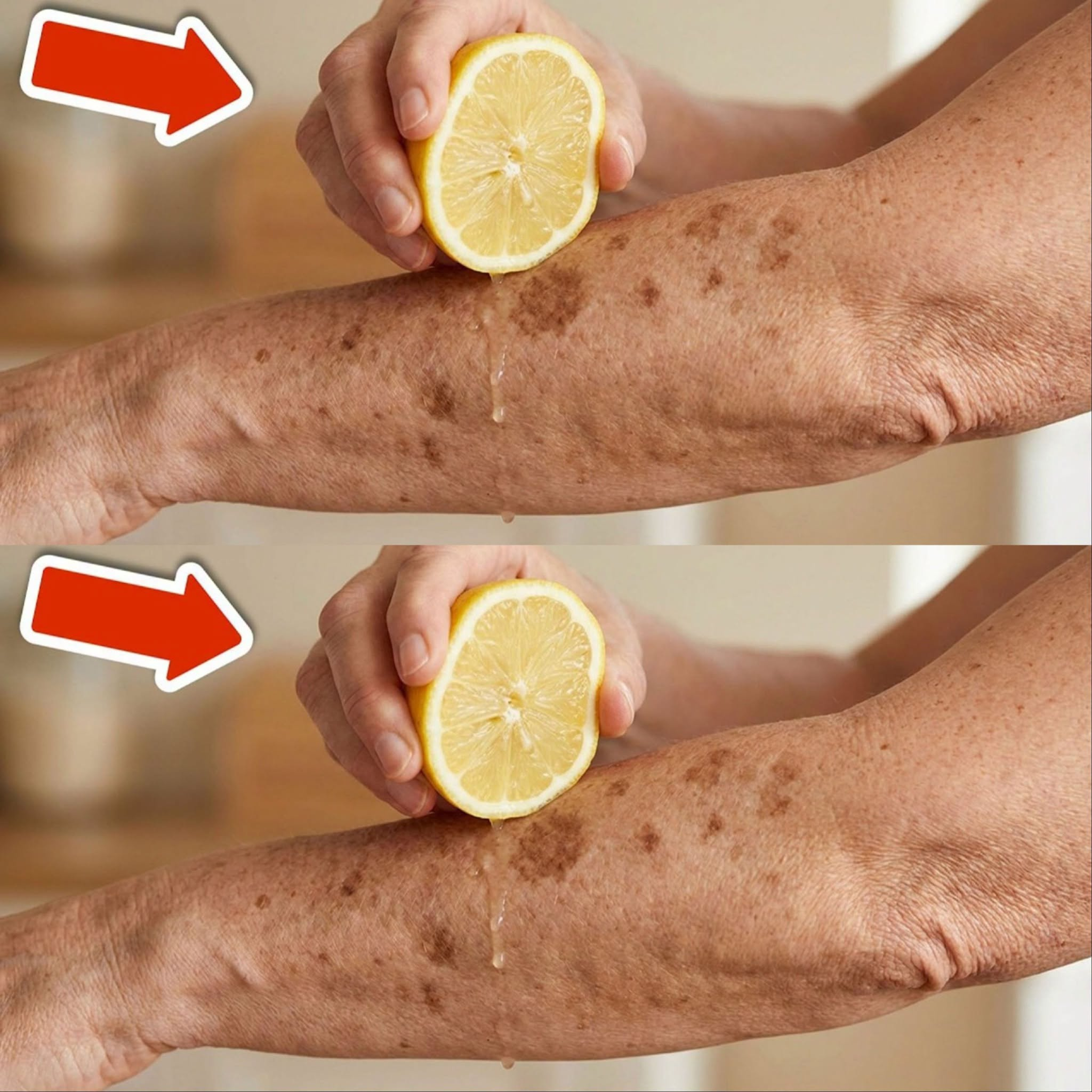
Age spots, also called sun spots or solar lentigines, are flat areas of darker pigmentation that commonly appear on skin that has received years of sun exposure. They are especially common on the face, hands, shoulders, arms, and other areas that spend a lot of time outdoors.
Although age spots are usually harmless, many people want to make them less noticeable. The important thing to understand is that they do not disappear overnight. A claim that a natural remedy can completely remove an age spot in 20 minutes is unrealistic.
The most useful approach is to protect your skin from additional ultraviolet exposure and use gentle skincare consistently. Some ingredients may help improve the overall appearance of uneven skin tone, but natural remedies are not necessarily safer or more effective than products formulated specifically for pigmentation.
If a dark spot is new, changing, bleeding, itching, or noticeably different from the other spots on your skin, it should be evaluated by a dermatologist.
What Are Age Spots?
Age spots are areas of increased pigmentation that develop after long-term exposure to ultraviolet radiation.
They are also known as solar lentigines. They can appear gradually as people get older, but the underlying process is closely associated with cumulative sun exposure rather than age alone.
Where Do Age Spots Usually Appear?
Age spots are most commonly found on areas that receive regular sunlight, including:
- Face
- Back of the hands
- Forearms
- Shoulders
- Upper chest
- Back
They can vary in size and may range from light brown to darker brown.
Why Do Age Spots Develop?
Your skin produces melanin, the pigment responsible for skin color. Ultraviolet exposure can stimulate melanin production.
Over many years, repeated sun exposure can contribute to areas of concentrated pigmentation.
This is why protecting your skin from the sun is so important when trying to prevent existing spots from becoming darker or new spots from appearing.
Can Age Spots Disappear in 20 Minutes?
No.
There is no reliable natural treatment that can permanently remove a genuine age spot in 20 minutes.
Some products or ingredients may temporarily make the skin look brighter or smoother, but that is different from removing pigmentation.
Age spots form within the skin, so meaningful improvement generally takes time. Depending on the treatment, pigmentation may take weeks or months to become less noticeable.
If you see an advertisement promising dramatic removal in minutes, be skeptical.
Five Gentle Ways to Improve the Appearance of Age Spots
1. Protect Your Skin From the Sun
Sun protection is one of the most important steps for managing pigmentation.
Ultraviolet exposure can make existing dark spots more noticeable and contribute to additional pigmentation.
Use a broad-spectrum sunscreen with an SPF of 30 or higher on exposed skin. Apply enough sunscreen and reapply as directed, particularly when spending extended periods outdoors, swimming, or sweating.
Why Sunscreen Matters
Even if you are already treating dark spots, continued sun exposure can work against your efforts.
Think of sunscreen as part of the foundation of a pigmentation routine rather than an optional final step.
A wide-brimmed hat, sunglasses, long sleeves, and shade can provide additional protection.
2. Be Careful With Lemon Juice
Lemon juice is frequently recommended online as a natural way to lighten dark spots because it contains citric acid.
However, applying undiluted lemon juice directly to the skin is not a good idea.
Lemon juice can cause irritation, dryness, and increased sensitivity. Citrus juice on the skin can also create problems after sun exposure, potentially leading to a skin reaction known as phytophotodermatitis.
For this reason, lemon juice should not be considered a dependable age-spot treatment.
A Better Approach
Instead of applying kitchen lemon juice to pigmentation, consider using a properly formulated skincare product containing ingredients with established uses for uneven pigmentation.
If you still use lemon in food or drinks, there is no need to apply it directly to your skin.
3. Consider Aloe Vera for Gentle Skin Care
Aloe vera is commonly used in skincare because its gel can feel soothing and cooling.
Fresh aloe gel may help provide moisture and comfort to the skin, but evidence that ordinary aloe vera can significantly remove established age spots is limited.
It should therefore be viewed as a soothing skincare ingredient rather than a proven pigmentation treatment.
How to Use Aloe Vera
If you choose to use aloe vera, select a clean product intended for topical use or use properly prepared aloe gel.
Apply a small amount to clean skin.
Avoid using it on broken or irritated skin.
If redness, burning, itching, or another reaction develops, rinse it off and discontinue use.
4. Avoid Undiluted Apple Cider Vinegar
Apple cider vinegar is another popular home remedy for dark spots.
It contains acetic acid, but that does not mean it is a safe or proven way to remove age spots.
Applying vinegar directly to the skin can cause irritation and chemical burns, particularly if it is concentrated or left on the skin for too long.
Why Homemade Acid Treatments Can Be Risky
Skin pigmentation can become more noticeable after inflammation or irritation.
This means that an aggressive home treatment could potentially work against the goal of achieving a more even complexion.
Instead of experimenting with strong kitchen acids, choose gentle skincare products designed for facial use.
5. Keep Your Skin Moisturized
Moisturizing will not erase an age spot, but maintaining a healthy skin barrier is an important part of a gentle skincare routine.
Dry or irritated skin can look uneven and may be more uncomfortable when using active skincare ingredients.
Choose a Gentle Moisturizer
Look for a moisturizer appropriate for your skin type.
If your skin is sensitive, fragrance-free formulas may be preferable.
Apply moisturizer after cleansing and whenever your skin feels dry.
Ingredients That May Help With Uneven Skin Tone
If your goal is specifically to reduce the appearance of age spots, certain skincare ingredients have more practical evidence and established cosmetic uses than kitchen remedies.
Vitamin C
Topical vitamin C is commonly used in skincare to support a brighter, more even-looking complexion.
The stability and formulation of vitamin C products matter, so a properly formulated serum is generally more useful than trying to create a homemade vitamin C treatment from food.
Niacinamide
Niacinamide is a form of vitamin B3 used in many skincare products.
It can help improve the appearance of uneven skin tone and is often well tolerated.
Retinoids
Retinoids can encourage skin cell turnover and are commonly used for several signs of photoaging.
They can also cause dryness and irritation, particularly when first introduced, so they should be used carefully.
If you are considering a prescription retinoid, speak with a qualified healthcare professional.
How to Build a Simple Age Spot Routine
A complicated routine is not necessary.
Morning
Start with a gentle cleanser if needed.
Apply a suitable moisturizer.
Finish with broad-spectrum SPF 30 or higher on exposed skin.
Evening
Cleanse your face gently.
Use one targeted skincare product if appropriate for your skin.
Apply moisturizer.
Avoid using several strong exfoliating products at the same time because irritation can make your skin look worse.
Tips for Preventing Dark Spots From Getting Darker
Wear Sunscreen Every Day
Make sunscreen a regular part of your morning routine rather than something reserved for beach days.
Protect Your Hands
The backs of the hands receive significant sun exposure. Apply sunscreen there as well as on your face.
Wear Protective Clothing
A hat, sunglasses, and long sleeves can reduce direct sun exposure.
Avoid Tanning Beds
Artificial ultraviolet exposure can contribute to skin aging and pigmentation.
Don’t Pick or Scratch Your Skin
Skin inflammation can sometimes lead to post-inflammatory pigmentation.
Keeping irritated areas calm can help prevent additional discoloration.
Common Mistakes to Avoid
Using Lemon Juice Undiluted
Pure lemon juice can irritate the skin and increase sensitivity.
Applying Vinegar Directly
Apple cider vinegar is acidic and can cause irritation or burns when applied directly.
Scrubbing Dark Spots Aggressively
Scrubbing does not remove pigmentation sitting deeper within the skin. Excessive exfoliation can damage the skin barrier and cause inflammation.
Skipping Sunscreen
Treating pigmentation while continuing significant sun exposure can make it harder to see improvement.
Using Too Many Active Ingredients
Combining multiple acids, retinoids, exfoliants, and brightening products at once can lead to irritation.
Introduce products gradually.
When Should You See a Dermatologist?
Most age spots are harmless, but not every brown spot is an age spot.
See a dermatologist if a spot:
- Changes in size
- Changes in color
- Develops an irregular border
- Becomes raised
- Bleeds
- Crusts repeatedly
- Itches persistently
- Looks noticeably different from your other spots
A professional can determine whether the spot is actually a solar lentigo or something that requires further evaluation.
Professional Treatments for Age Spots
If you want faster or more noticeable improvement, a dermatologist can discuss professional options.
Depending on the individual and the type of pigmentation, treatments may include prescription creams, chemical peels, laser treatments, or other dermatological procedures.
These treatments have potential benefits and risks, so they should be selected by a qualified professional after examining the skin.
Frequently Asked Questions
Can age spots disappear naturally?
Some pigmentation may fade over time, but established age spots often remain without treatment. Sun protection can help prevent them from becoming darker or new spots from developing.
Can lemon juice remove age spots?
Lemon juice is not a proven treatment for age spots. It can irritate the skin and may cause a reaction when exposed to sunlight, so applying it directly is not recommended.
Does aloe vera remove dark spots?
Aloe vera can soothe and moisturize the skin, but there is not strong evidence that ordinary aloe vera gel will remove established age spots.
Can apple cider vinegar lighten age spots?
Apple cider vinegar is sometimes promoted online for pigmentation, but it can irritate or burn the skin. It should not be considered a reliable age-spot treatment.
How long does it take to fade age spots?
The timeline varies considerably. Pigmentation generally does not disappear in minutes. Consistent sun protection and appropriate skincare may gradually improve the appearance over weeks or months.
What SPF is best for age spots?
A broad-spectrum sunscreen with SPF 30 or higher is a practical choice. Consistent application and reapplication are important, particularly during prolonged outdoor exposure.
Can vitamin E remove age spots?
Vitamin E can be useful as part of skincare and has antioxidant properties, but it should not be expected to erase established age spots.
Can baking soda remove age spots?
Baking soda is not a recommended treatment for age spots. Its alkaline nature can irritate the skin, and irritation may worsen uneven pigmentation.
Are age spots dangerous?
Typical age spots are harmless. However, other skin conditions can look similar, so a changing or unusual dark spot should be checked by a dermatologist.
Can I prevent age spots?
You cannot completely eliminate the effects of aging or past sun exposure, but consistent sun protection can reduce additional ultraviolet damage and help limit the development of new pigmentation.
Final Thoughts
Age spots are a common result of cumulative sun exposure and changes in pigmentation over time. While they can be frustrating cosmetically, there is no realistic 20-minute home remedy that can permanently erase them.
The safest approach is to focus on consistent sun protection, gentle skincare, adequate moisturization, and ingredients formulated for uneven skin tone.
Kitchen ingredients such as lemon juice and apple cider vinegar may sound appealing because they are inexpensive and readily available, but their acidic nature can irritate the skin and does not make them proven treatments for age spots.
If you want to improve the appearance of pigmentation, patience is important. And if a dark spot changes in appearance or seems unusual, don’t assume it is simply an age spot. Have it examined by a dermatologist.