

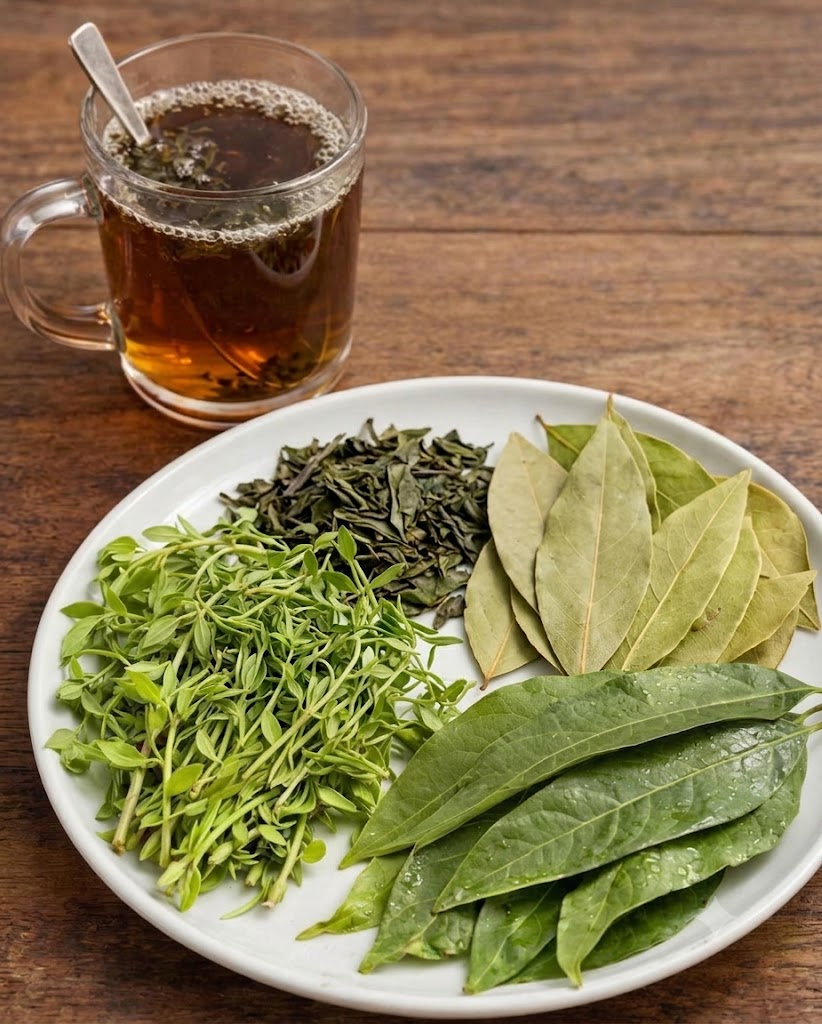
Nature has provided people with healing plants for thousands of years. Long before modern medicine became widely available, communities around the world relied on leaves from herbs, shrubs, and trees to prepare teas, infusions, and natural remedies for everyday wellness. Today, these traditional practices remain popular, and scientific research continues to investigate the beneficial compounds found in many medicinal plants.
While herbal remedies cannot replace professional medical care or prescribed treatments, they can become part of a healthy lifestyle when used responsibly. Many medicinal leaves contain antioxidants, vitamins, minerals, and plant compounds that may support digestion, immune function, relaxation, and overall well-being.
Whether you enjoy a warm cup of herbal tea, season your meals with fresh herbs, or simply want to learn more about natural wellness, understanding the benefits and safe use of medicinal leaves can help you make informed choices.
What Are Medicinal Leaves?
Medicinal leaves are the foliage of herbs, shrubs, and trees that naturally contain bioactive plant compounds. For centuries, they have been used in traditional medicine systems across Asia, Europe, Africa, and the Americas.
Many medicinal leaves contain naturally occurring:
- Polyphenols
- Flavonoids
- Essential oils
- Antioxidants
- Vitamins
- Minerals
- Plant pigments
These compounds help protect plants from environmental stress while also contributing to their nutritional value. Researchers continue to study how these substances may support human health when consumed as part of a balanced diet.
Why People Use Medicinal Leaves
One reason medicinal herbs remain popular is their versatility. Many can be brewed into teas, added to recipes, or enjoyed as aromatic infusions.
Traditional herbal practices often use medicinal leaves to support:
Digestive Comfort
Certain herbs have long been used to promote comfortable digestion and reduce occasional bloating after meals.
Relaxation
Many aromatic leaves produce calming scents that help create a peaceful environment, making herbal teas a popular evening beverage.
Respiratory Comfort
Herbs with fragrant essential oils are commonly used in steam inhalation and aromatherapy to promote a refreshing breathing experience.
Antioxidant Intake
Numerous medicinal plants naturally provide antioxidants that help protect cells from oxidative stress as part of a healthy diet.
Mint Leaves (Mentha Species)
Mint is one of the most recognizable medicinal herbs in the world. Its refreshing aroma comes from menthol, a naturally occurring compound that gives mint its cooling sensation.
Traditional Uses
Mint has traditionally been used to:
- Support healthy digestion
- Reduce occasional bloating
- Freshen breath
- Provide a cooling sensation
Nutritional Highlights
Mint contains small amounts of:
- Vitamin A
- Antioxidants
- Essential oils
- Plant polyphenols
Ways to Enjoy Mint
Fresh mint can easily be added to:
- Herbal tea
- Fruit salads
- Smoothies
- Infused water
- Yogurt
- Fresh summer drinks
Rosemary Leaves (Salvia rosmarinus)
Rosemary has been treasured throughout Mediterranean cooking and herbal traditions for centuries. Besides its distinctive aroma, rosemary contains numerous antioxidant compounds.
Traditional Uses
Rosemary has traditionally been associated with:
- Supporting normal circulation
- Promoting concentration
- Enhancing memory
- Flavoring foods naturally
Nutritional Benefits
Rosemary contains:
- Rosmarinic acid
- Antioxidants
- Essential oils
- Plant flavonoids
Popular Culinary Uses
Rosemary pairs well with:
- Roasted vegetables
- Chicken
- Fish
- Soups
- Homemade bread
- Olive oil infusions
Guava Leaves (Psidium guajava)
Guava leaves have been used in traditional wellness practices throughout tropical regions for generations.
Today, scientists continue studying their naturally occurring polyphenols and antioxidant compounds.
Traditional Uses
Guava leaves have historically been used to support:
- Digestive comfort
- Normal bowel function
- General wellness
Nutritional Components
Guava leaves naturally contain:
- Flavonoids
- Polyphenols
- Antioxidants
- Plant tannins
Popular Uses
Many people prepare guava leaves as:
- Herbal tea
- Traditional decoctions
- Mild herbal infusions
Basil Leaves (Ocimum basilicum)
Although basil is famous as a culinary herb, it also has a long history in traditional wellness.
Its pleasant aroma and nutritional value make it a favorite in kitchens around the world.
Traditional Uses
Basil has traditionally been associated with:
- Supporting overall wellness
- Relaxation
- Fresh flavor in meals
- Daily nutrition
Nutritional Benefits
Basil contains:
- Vitamin K
- Antioxidants
- Essential oils
- Plant flavonoids
Delicious Ways to Enjoy Basil
Fresh basil works well in:
- Homemade pesto
- Tomato salads
- Pasta dishes
- Soups
- Sandwiches
- Pizza
Eucalyptus Leaves (Eucalyptus Species)
Eucalyptus is best known for its refreshing aroma rather than its culinary use.
Its cooling scent makes it popular in aromatherapy and steam inhalation.
Traditional Uses
People have traditionally used eucalyptus for:
- Steam inhalation
- Creating a refreshing environment
- Seasonal respiratory comfort
Important Safety Note
Eucalyptus leaves and essential oils should never be consumed unless specifically prepared for that purpose under professional guidance.
Essential oils are highly concentrated and should always be used carefully.
Easy Ways to Enjoy Medicinal Leaves
Brew a Herbal Tea
One of the easiest methods is making a simple herbal infusion.
Basic Method
- Bring fresh water to a boil.
- Add fresh or dried medicinal leaves.
- Cover the cup.
- Steep for 5 to 10 minutes.
- Strain.
- Enjoy warm.
Using minimal sweetener allows the natural flavor of the herbs to shine.
Add Herbs to Everyday Meals
Cooking with herbs is one of the safest and most enjoyable ways to increase plant diversity in your diet.
Try adding medicinal leaves to:
- Salads
- Rice dishes
- Pasta
- Soups
- Smoothies
- Sandwiches
- Homemade sauces
Prepare Herbal Steam
For aromatic herbs like mint or eucalyptus:
- Place fresh leaves in a heat-safe bowl.
- Pour hot water over the leaves.
- Allow the steam to rise naturally.
- Inhale gently from a safe distance.
Always avoid direct contact with boiling water.
Herbal Compresses
Some traditional practices involve soaking a clean cloth in cooled herbal tea before applying it externally.
Avoid using herbal preparations on broken skin unless advised by a healthcare professional.
Potential Benefits of Medicinal Leaves
When combined with a balanced diet and healthy lifestyle, medicinal herbs may support:
- Digestive wellness
- Relaxation
- Hydration
- Antioxidant intake
- Immune system function
- Healthy eating habits
- General well-being
Their greatest value comes from being part of an overall nutritious lifestyle rather than acting as standalone remedies.
Tips for Using Medicinal Leaves Safely
Buy High-Quality Herbs
Choose herbs from reputable suppliers to reduce the risk of contamination.
Store Them Properly
Keep dried herbs in airtight containers away from heat, moisture, and sunlight.
Use Moderate Amounts
Natural herbs are beneficial in moderation. More is not always better.
Rotate Different Herbs
Enjoy a variety of medicinal plants rather than relying on only one herb every day.
Drink Plenty of Water
Hydration supports normal digestion and complements the benefits of herbal teas.
Combine Herbs with Healthy Habits
A balanced diet, regular exercise, quality sleep, and stress management remain the foundation of good health.
Important Safety Considerations
Although medicinal herbs are natural, they are not suitable for everyone.
Consult your healthcare provider before using herbal remedies regularly if you:
- Are pregnant or breastfeeding
- Take prescription medications
- Have chronic medical conditions
- Have plant allergies
- Are preparing for surgery
Some herbs may interact with medications or may not be appropriate for certain medical conditions.
Discontinue use if you experience unexpected side effects or allergic reactions.
Frequently Asked Questions
Can I drink herbal tea every day?
Many herbal teas can be enjoyed regularly in moderation. However, variety is recommended because not every herb is intended for long-term daily use.
Are fresh herbs better than dried herbs?
Both have benefits. Fresh herbs usually provide brighter flavor, while dried herbs are more concentrated and have a longer shelf life.
Can medicinal leaves cure diseases?
No. Medicinal herbs should not be considered cures for diseases. They are best viewed as complementary wellness practices alongside evidence-based medical care.
Which medicinal leaf is best for digestion?
Mint and guava leaves are traditionally used to support digestive comfort, although individual responses vary.
Can children drink herbal teas?
Some mild herbal teas may be appropriate, but parents should consult a healthcare professional before regularly giving herbal preparations to children.
Can medicinal leaves replace prescription medicine?
No. Never stop or replace prescribed medication without guidance from your healthcare provider.
What is the safest way to enjoy medicinal herbs?
Using herbs as part of cooking or preparing moderate amounts of herbal tea is generally considered one of the safest approaches for most healthy adults.
Final Thoughts
Medicinal leaves have earned their place in traditional wellness because they provide natural flavors, valuable nutrients, and beneficial plant compounds that can complement a healthy lifestyle. Herbs such as mint, rosemary, guava, basil, and eucalyptus each offer unique characteristics that make them useful in teas, meals, and wellness routines.
Although scientific research continues to explore their health benefits, medicinal herbs should not be viewed as miracle cures or replacements for professional healthcare. Their greatest value comes from supporting an overall lifestyle that includes nutritious eating, regular physical activity, adequate hydration, quality sleep, and routine medical care.
By enjoying medicinal leaves responsibly and understanding both their traditional uses and modern evidence, you can appreciate these remarkable plants while making informed decisions for your long-term health and well-being.