

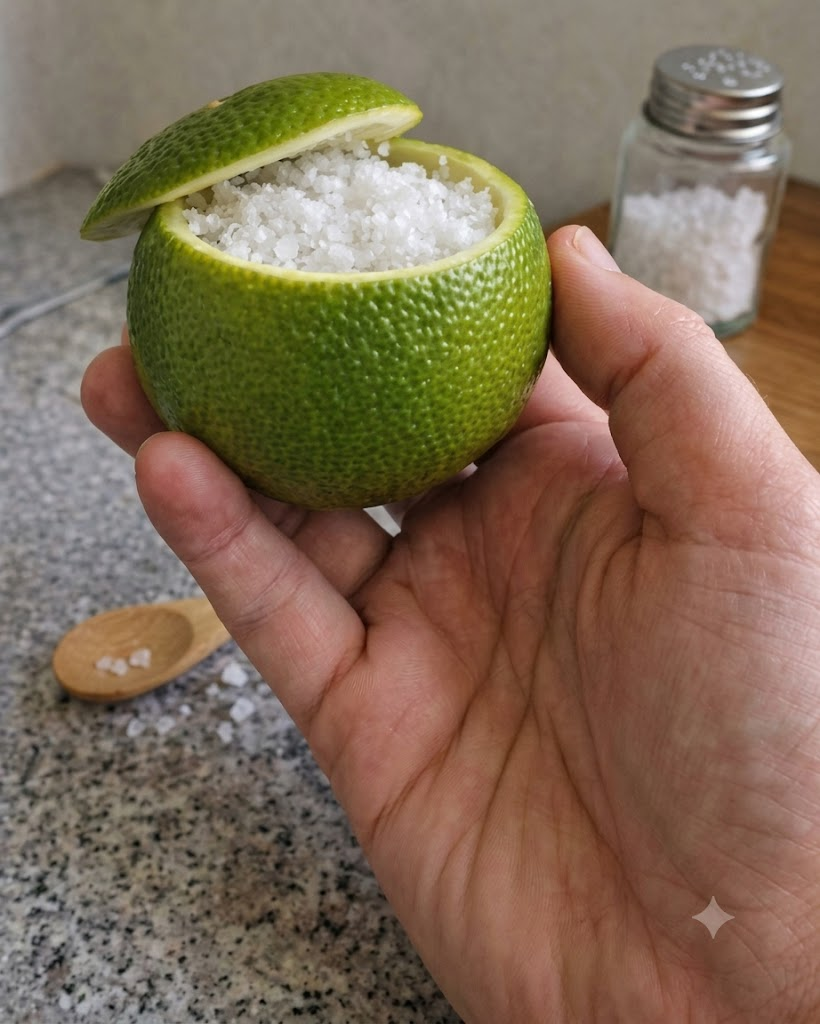
Lemon and salt are two inexpensive kitchen staples found in many homes. Together, they create a simple DIY project that has become popular on social media as a natural room freshener and decorative household item. While many people enjoy using this combination because of its fresh citrus scent and low cost, it’s important to understand what it can—and cannot—do.
A lemon filled with coarse salt is not a substitute for commercial disinfectants, air purifiers, or professional cleaning products. However, it can be an affordable and attractive addition to your home if you’re looking for a simple way to add a pleasant citrus aroma while keeping household expenses low.
This guide explains how to make a lemon and salt home freshener, estimates its cost, explores practical household uses, offers budgeting tips, and discusses important safety considerations.
Why Lemon and Salt Is So Popular
One of the biggest reasons this DIY project has become popular is its simplicity. It requires only two common ingredients, takes just a few minutes to prepare, and costs very little.
Many people appreciate this homemade project because it is:
- Affordable
- Easy to make
- Uses common pantry ingredients
- Requires no special equipment
- Creates a fresh citrus scent
- Can be used as a decorative centerpiece
Although some online posts claim that lemon and salt can purify the air or eliminate toxins, there is no scientific evidence supporting these claims. Instead, this DIY should simply be viewed as a homemade room freshener with a pleasant natural fragrance.
How Much Does It Cost?
One advantage of this project is its low cost.
Average grocery prices vary depending on location, but a typical estimate includes:
- One fresh lemon: approximately $0.50–$0.80
- Coarse or table salt: about $1–$2 per container
Since only a few tablespoons of salt are needed, the total cost per project is usually around:
- $0.50 to $0.75 per lemon
If you already have salt at home, your only expense may be purchasing a fresh lemon.
Compared with many commercial air fresheners, scented candles, or fragrance diffusers, this can be a budget-friendly alternative for adding a fresh scent to small spaces.
Materials You’ll Need
Gather the following items before starting:
- 1 fresh lemon
- 2–3 tablespoons coarse salt (or table salt)
- Small sharp knife
- Small plate, saucer, or shallow bowl
Using coarse salt creates a more decorative appearance, although regular table salt works just as well.
How to Make a Lemon and Salt Home Freshener
Step 1: Wash the Lemon
Rinse the lemon thoroughly under clean running water to remove any dirt or residue.
Dry it with a clean towel.
Step 2: Cut the Top
Using a sharp knife, carefully slice off the top portion of the lemon.
Avoid cutting too deeply—you want to create an opening while keeping most of the fruit intact.
Step 3: Fill with Salt
Fill the exposed center with coarse salt until it reaches the top.
The salt absorbs some of the moisture released from the lemon while helping keep the mixture looking neat.
Step 4: Place on a Plate
Set the lemon on a small plate or shallow dish.
This catches any juice that may leak as the lemon ages.
Step 5: Display
Place the finished lemon in an area where you would like a fresh citrus scent, such as:
- Kitchen counter
- Dining table
- Bathroom
- Entryway
- Laundry room
Replace the lemon once it begins to dry out or show signs of spoilage.
What Can Lemon and Salt Actually Do?
While social media often exaggerates the benefits of this combination, there are a few realistic uses.
Adds a Fresh Citrus Aroma
Fresh lemons naturally release pleasant citrus oils, giving nearby areas a light fragrance.
Decorative Kitchen Accent
A lemon filled with coarse salt can make an attractive centerpiece for rustic or farmhouse-style kitchens.
Affordable DIY Project
It provides an inexpensive alternative to some commercial fragrance products.
Encourages Household Budgeting
Making simple DIY household items can help reduce spending on non-essential products over time.
What Lemon and Salt Cannot Do
It’s equally important to understand the limitations.
This mixture cannot:
- Purify indoor air
- Kill airborne germs
- Replace disinfectants
- Remove allergens
- Eliminate mold
- Prevent illness
- Replace air purifiers
For cleaning and disinfecting, continue using products specifically designed and approved for those purposes.
Household Budget Benefits
Small savings can add up over time.
If you frequently purchase commercial air fresheners, making occasional homemade alternatives may reduce household expenses.
When planning your monthly budget, consider separating expenses into categories such as:
- Groceries
- Cleaning supplies
- Household maintenance
- Personal care
- Healthcare
- Utilities
Tracking spending helps identify areas where small savings can accumulate throughout the year.
Insurance and Financial Considerations
Although lemon and salt are inexpensive household items, they generally have no connection to health insurance or homeowners insurance benefits.
Cleaning products and DIY household supplies are typically considered regular household expenses rather than medical expenses.
If you use a Health Savings Account (HSA) or Flexible Spending Account (FSA), household cleaning products are generally not eligible expenses unless specifically approved under current tax regulations.
Always review the latest guidelines or consult a qualified tax professional if you have questions.
Similarly, homeowners insurance policies usually do not provide discounts simply because you use homemade cleaning products. However, maintaining a clean and well-maintained home is always beneficial for overall property care.
Safety Tips
Although this project is simple, a few precautions are worth remembering.
- Place the lemon on a dish to catch any leaking juice.
- Keep away from young children and pets.
- Avoid placing directly on unfinished wood or natural stone.
- Clean spills promptly since lemon juice is acidic.
- Replace the lemon once mold or spoilage appears.
- Wash your hands after handling spoiled fruit.
- Dispose of the lemon in household waste or compost if appropriate.
Helpful Tips
To get the most from this DIY project:
- Choose ripe, fragrant lemons for the strongest citrus aroma.
- Use coarse sea salt for a decorative appearance.
- Replace the lemon every 5–7 days or sooner if it begins to spoil.
- Keep it in well-ventilated areas.
- Place it on ceramic or glass dishes to prevent staining.
- Consider adding a few whole cloves for extra fragrance if desired.
- Avoid direct sunlight, which may cause the lemon to dry out more quickly.
- Compost the used lemon if local composting guidelines allow.
Frequently Asked Questions
Does lemon and salt purify the air?
There is no scientific evidence that a lemon filled with salt purifies indoor air or removes toxins. It simply provides a pleasant citrus scent.
Can it replace commercial air fresheners?
It can provide a mild natural fragrance, but it does not last as long or cover large areas like commercial products.
How long does it last?
Most lemons remain usable for about 5 to 7 days indoors, depending on room temperature and humidity.
Can I add essential oils?
Yes. A few drops of lemon, lavender, or orange essential oil may enhance the fragrance, although this is optional.
Is coarse salt necessary?
No. Regular table salt works as well, although coarse salt often looks more attractive.
Can I use limes instead?
Yes. Limes produce a slightly different citrus scent but can be used in the same way.
Is this a cleaning product?
No. This project is intended as a decorative room freshener rather than a disinfectant or household cleaner.
Can I compost the lemon afterward?
In most areas, yes. The lemon can usually be composted after use, although local composting guidelines may vary.
Final Thoughts
A lemon filled with coarse salt is a simple, inexpensive DIY project that adds a fresh citrus aroma and decorative touch to your home using ingredients that many households already have on hand. While it should not be viewed as a substitute for commercial cleaners, disinfectants, or professional advice, it can be an enjoyable way to freshen small spaces while keeping household costs low.
Like many DIY household projects, its greatest value lies in its affordability, simplicity, and ease of preparation. When combined with regular cleaning habits and thoughtful budgeting, this easy project can become a pleasant addition to your home care routine.