

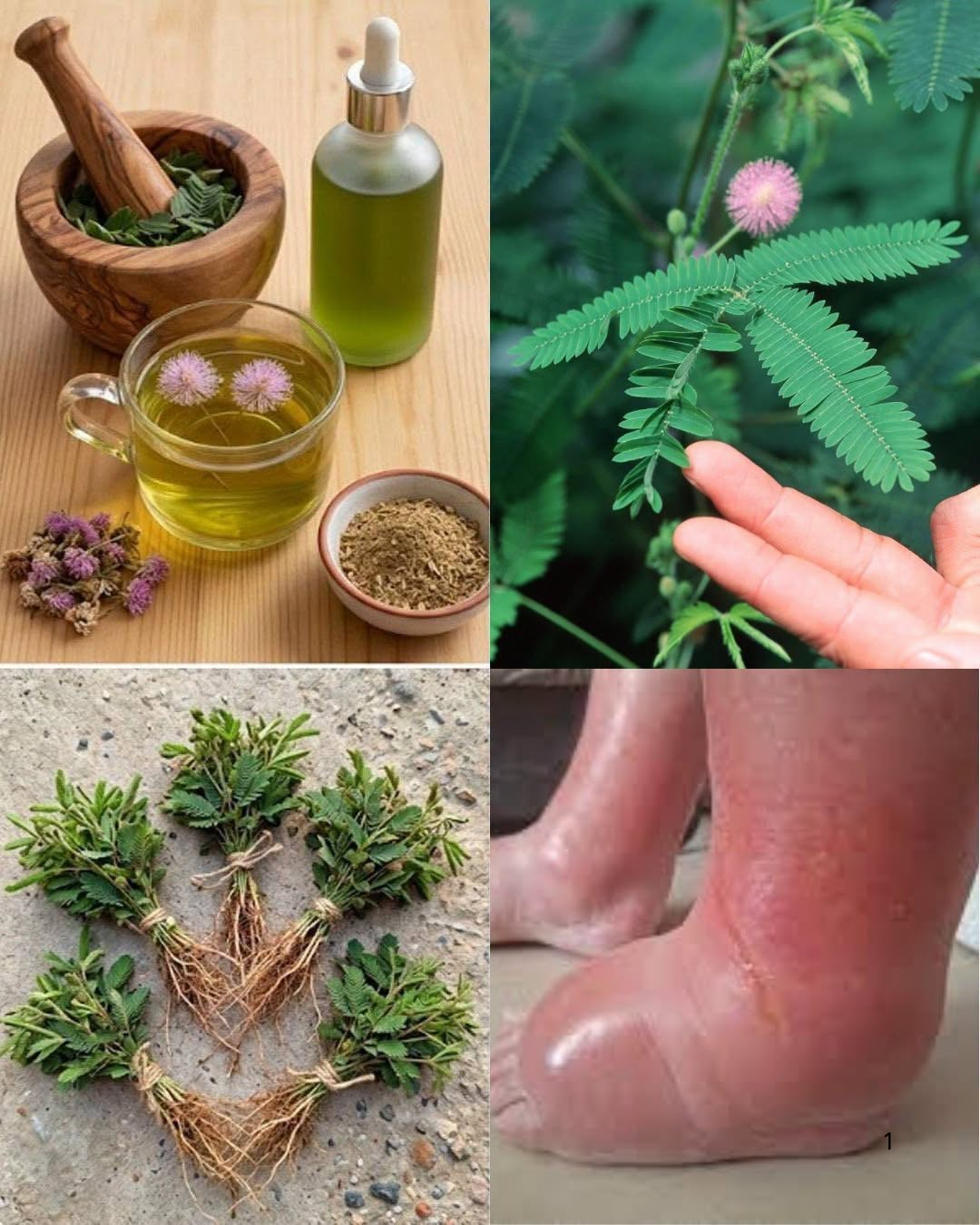
Have you ever walked past a common plant growing in your yard, along a roadside, or in an empty field and wondered if it had any hidden value? Social media is full of posts claiming that certain plants are worth a fortune, calling them “nature’s goldmine” or “the miracle plant everyone ignores.” These eye-catching headlines attract millions of views because they tap into our curiosity and hope of discovering something valuable right under our noses.
The truth is that some plants do have impressive nutritional, medicinal, or commercial uses. However, many viral claims are exaggerated or completely misleading. Before you get excited about finding a “goldmine” plant, it is important to understand what makes a plant valuable and how to identify it correctly.
Let’s explore why these claims are so popular, which plants are commonly featured in viral posts, and how you can determine whether a plant is truly useful.
Why Do So Many Posts Call Plants a “Goldmine”?
The phrase “you’re sitting on a goldmine” is often used as clickbait. It creates curiosity and encourages people to click, watch, and share content.
In reality, most plants are not worth large amounts of money. However, some plants can provide benefits such as:
- Nutritional value
- Traditional medicinal uses
- Culinary applications
- Herbal supplement ingredients
- Landscaping value
- Agricultural benefits
- Environmental advantages
The key is understanding the difference between genuine value and exaggerated internet claims.
Common Plants Often Called Hidden Treasures
Many viral videos repeatedly feature the same plants. These plants may have legitimate uses, but they are rarely the miracle cures or wealth-generating opportunities that social media suggests.
Aloe Vera
Aloe vera is perhaps one of the most commonly featured plants in viral health content.
People value aloe vera because:
- It contains a soothing gel inside the leaves.
- It is commonly used in skincare products.
- It may help moisturize dry skin.
- It is easy to grow at home.
While aloe vera is useful, owning a few plants will not make someone rich.
Moringa
Moringa is often called the “miracle tree.”
Its leaves contain nutrients such as:
- Vitamin A
- Vitamin C
- Calcium
- Potassium
- Protein
Many people use moringa powder as a dietary supplement. However, despite its nutritional value, it is not a magical cure for disease.
Purslane
Purslane is frequently mistaken for a weed.
What makes it interesting is that it contains:
- Omega-3 fatty acids
- Antioxidants
- Minerals
- Vitamins
In some cultures, purslane is used in salads and cooked dishes.
Dandelion
Many homeowners try to eliminate dandelions from their lawns without realizing that every part of the plant has been used traditionally.
People use dandelion:
- Leaves in salads
- Roots in herbal beverages
- Flowers in recipes
Despite its usefulness, it remains a common wild plant rather than a hidden fortune.
What Actually Makes a Plant Valuable?
A plant becomes valuable for several reasons.
Nutritional Benefits
Many plants contain vitamins, minerals, fiber, and antioxidants that support overall health.
Examples include:
- Leafy greens
- Herbs
- Fruits
- Edible flowers
Nutritional value is one of the most practical reasons a plant may be considered valuable.
Traditional Uses
Throughout history, cultures around the world have used plants for:
- Teas
- Herbal preparations
- Cooking
- Skin care
- Aromatic purposes
Traditional use does not automatically mean scientific proof, but it often explains why certain plants remain popular.
Commercial Demand
Some plants have commercial value because industries use them for:
- Cosmetics
- Supplements
- Essential oils
- Food production
- Agriculture
However, commercial success usually requires large-scale cultivation rather than finding a single plant in your backyard.
Environmental Benefits
Certain plants provide value by helping the environment.
Examples include:
- Preventing soil erosion
- Supporting pollinators
- Improving biodiversity
- Enhancing soil quality
These benefits may not generate income directly, but they are still extremely valuable.
Why Plant Identification Matters
One of the biggest mistakes people make is assuming a plant is safe simply because someone online says it is.
Many plants look similar.
Misidentification can lead to:
- Allergic reactions
- Skin irritation
- Poisoning
- Digestive problems
Always identify a plant correctly before eating, drinking, or applying it to your skin.
The Problem With Viral Plant Claims
Social media often rewards sensational content.
As a result, some creators make claims such as:
- “This plant cures every disease.”
- “Doctors don’t want you to know about this.”
- “One leaf can transform your health overnight.”
- “This plant is worth thousands of dollars.”
Most of these statements lack reliable scientific support.
Health improvements usually come from consistent healthy habits rather than a single plant or ingredient.
How to Evaluate a Plant Claim
Before believing a viral post, ask yourself these questions:
Is the Plant Clearly Identified?
If the post does not mention the exact species, be cautious.
Are Reliable Sources Cited?
Look for information from:
- Universities
- Scientific journals
- Government health agencies
- Botanical organizations
Does the Claim Sound Too Good to Be True?
Claims involving instant cures or dramatic transformations are often exaggerated.
Is There Scientific Research?
Traditional use can be valuable, but scientific studies provide stronger evidence regarding safety and effectiveness.
Benefits of Learning About Local Plants
Instead of searching for miracle cures, focus on learning about the plants that naturally grow around you.
Benefits include:
Better Gardening Skills
Understanding local plants helps create healthier gardens.
Increased Food Knowledge
Some edible plants are nutritious additions to meals.
Greater Appreciation for Nature
Plant identification encourages outdoor exploration and environmental awareness.
Potential Cost Savings
Growing useful herbs and vegetables at home can reduce grocery expenses.
Tips for Safely Exploring Useful Plants
Learn Identification First
Use field guides, reputable websites, or local gardening groups.
Start With Well-Known Plants
Focus on commonly recognized edible or ornamental species.
Avoid Consuming Unknown Plants
Never eat a plant unless you are completely certain of its identity.
Research Traditional and Scientific Information
Look for balanced information rather than relying solely on social media.
Consult Experts When Needed
Local botanists, horticulturists, and extension services can provide valuable guidance.
The Truth About the “Goldmine” Plant
The reality is that most plants featured in viral posts are not secret treasures capable of generating wealth or curing every health problem.
However, many plants do offer genuine benefits:
- Nutritional support
- Culinary uses
- Traditional applications
- Environmental advantages
- Gardening value
The true “goldmine” is often knowledge itself. Learning how to identify and appreciate useful plants can provide lasting benefits far beyond what any viral headline promises.
Instead of chasing miracle claims, focus on understanding the real qualities of the plants around you. You may discover something valuable—not because it is magical, but because nature offers countless practical resources when viewed with curiosity and informed judgment.
Tips
Take Clear Photos
If you want to identify a plant, photograph:
- The entire plant
- Leaves
- Flowers
- Fruit or seeds
- Stem structure
Use Multiple Identification Sources
Never rely on a single app or website.
Wear Gloves When Handling Unknown Plants
Some species can irritate the skin.
Learn Seasonal Changes
Many plants look different throughout the year.
Keep a Plant Journal
Recording observations can improve identification skills over time.
Frequently Asked Questions
Can a common backyard plant really be worth money?
Some plants have commercial value, but most common backyard plants are not highly valuable on their own. Large-scale cultivation is usually required for commercial success.
Are viral plant health claims trustworthy?
Not always. Many social media posts exaggerate benefits and lack scientific evidence.
How can I identify an unknown plant safely?
Use reputable plant identification resources, compare multiple references, and consult local experts when possible.
Is every medicinal plant safe to use?
No. Even plants with traditional medicinal uses can cause side effects or interact with medications.
What should I do if I find a plant featured in a viral post?
Research its identity carefully and verify claims using reliable sources before consuming or using it.
Can plant identification apps be trusted?
They can be helpful, but they are not always accurate. Use them as a starting point rather than a final answer.