

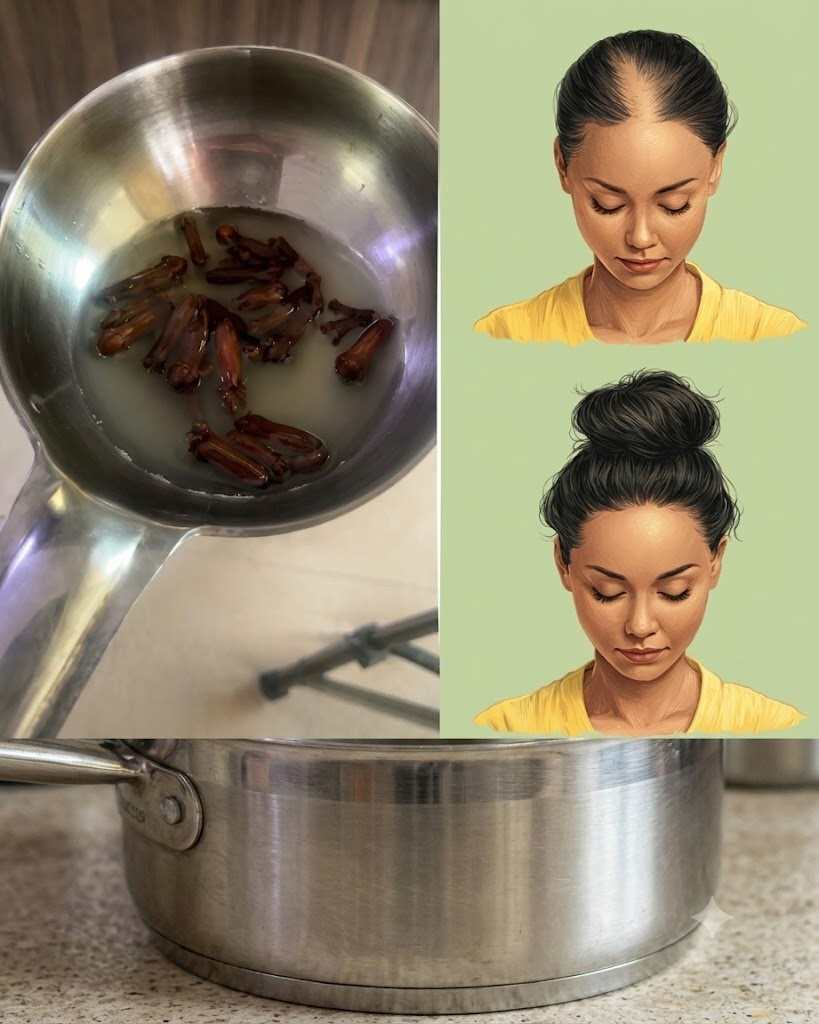
Hair thinning and hair loss affect millions of people worldwide. For many men and women, noticing extra hair in the shower drain or seeing a widening part line can be frustrating and discouraging. While factors such as genetics, aging, hormonal changes, stress, and nutritional deficiencies all play a role, many people are exploring natural options that may help support healthier hair growth.
Among the most popular natural remedies are plant-based oils. Certain oils contain compounds that may help nourish the scalp, improve moisture retention, reduce inflammation, and support a healthier environment for hair follicles.
Although no oil can guarantee the reversal of baldness, some ingredients have shown promising results in research. In this guide, you’ll discover three popular hair oil blends that may help support thicker-looking, healthier hair when used consistently alongside a balanced lifestyle.
Understanding Hair Growth
Before exploring these oil blends, it’s important to understand how hair grows.
Each hair follicle moves through several phases:
The Growth Phase (Anagen)
This is the active growing stage. Hair may remain in this phase for several years.
The Transition Phase (Catagen)
Hair growth slows as the follicle prepares to rest.
The Resting Phase (Telogen)
Older hairs eventually shed, making room for new growth.
Various factors can shorten the growth phase or increase shedding, leading to thinner-looking hair over time.
Natural oils may help support scalp health and create conditions that encourage healthier hair growth.
Rosemary Rescue Oil for Thinning Areas
Rosemary oil has become one of the most discussed natural ingredients in hair care. Several studies suggest it may help support hair growth when used consistently over time.
Ingredients
- 3 tablespoons cold-pressed coconut oil
- 2 tablespoons fresh rosemary sprigs or 10 drops rosemary essential oil
- 1 teaspoon crushed fenugreek seeds
- 5 drops peppermint essential oil
- Oil from 2 vitamin E capsules
How to Prepare
Warm the coconut oil gently over low heat.
Add the rosemary and fenugreek seeds. Allow them to infuse for about 8 minutes without overheating.
Remove from heat and allow the mixture to cool.
Strain out the solids.
Add peppermint oil and vitamin E oil.
Transfer the blend to a dark glass bottle and store in a cool place.
How to Use
- Perform a patch test before first use.
- Apply approximately 2 teaspoons to thinning areas.
- Massage gently for 3 to 5 minutes.
- Leave on for at least two hours or overnight.
- Wash with a gentle shampoo.
- Use three times weekly.
Potential Benefits
Rosemary oil is believed to support circulation in the scalp and may help maintain healthier hair follicles. Peppermint oil provides a refreshing sensation, while fenugreek contains plant compounds traditionally used for hair care. Vitamin E contributes antioxidant support, and coconut oil helps moisturize hair strands.
Pumpkin Seed Growth Oil
Pumpkin seed oil has gained attention due to research exploring its potential role in supporting hair density.
Ingredients
- 2 tablespoons pumpkin seed oil
- 1 tablespoon castor oil
- 1 tablespoon jojoba oil
- 6 drops peppermint essential oil
- 1 teaspoon fresh aloe vera gel
How to Prepare
Combine the pumpkin seed oil, castor oil, and jojoba oil in a heat-safe bowl.
Warm gently using a hot-water bath for a few minutes.
Remove from heat and whisk in the aloe vera gel.
Transfer to a dropper bottle and shake before each use.
How to Use
- Apply the oil directly to the scalp using the dropper.
- Massage for approximately 5 minutes.
- Cover with a warm towel for 20 minutes.
- Shampoo as usual.
- Use every other night.
Potential Benefits
Pumpkin seed oil contains beneficial fatty acids and antioxidants. Castor oil helps condition the hair and scalp, while jojoba oil closely resembles the scalp’s natural oils. Aloe vera provides soothing moisture, and peppermint oil adds a cooling effect.
Black Seed Thickening Serum
Black seed oil has been used traditionally for centuries in beauty and wellness practices. It contains thymoquinone, a compound known for its antioxidant properties.
Ingredients
- 2 tablespoons black seed oil
- 1 tablespoon sweet almond oil
- 1 tablespoon castor oil
- 8 drops rosemary essential oil
- 1 teaspoon fenugreek powder
How to Prepare
Warm the almond oil gently.
Add the fenugreek powder and allow it to infuse for about 5 minutes.
Remove from heat and cool.
Strain thoroughly.
Add black seed oil, castor oil, and rosemary oil.
Store in a dark pump bottle.
How to Use
- Apply a small amount to towel-dried hair.
- Massage lightly into the scalp and hairline.
- Distribute through the hair lengths.
- Leave in and style as usual.
- Use daily or several times per week.
Potential Benefits
Black seed oil may help support scalp comfort and hydration. Almond oil contributes nourishing fatty acids, while rosemary oil supports scalp health. Castor oil helps improve shine and manageability.
How Long Does It Take to See Results?
Natural hair care approaches require patience.
Most people should expect:
- Initial scalp improvements within a few weeks
- Better moisture and shine within one month
- Visible improvements in hair appearance after three to six months of consistent use
Results vary significantly depending on age, genetics, health conditions, and lifestyle habits.
Additional Tips for Healthier Hair Growth
Focus on Protein Intake
Hair is primarily made of protein. Include sources such as:
- Eggs
- Fish
- Poultry
- Beans
- Greek yogurt
Get Enough Iron
Low iron levels can contribute to hair shedding in some individuals.
Manage Stress
Chronic stress may affect the hair growth cycle. Consider activities such as:
- Walking
- Meditation
- Yoga
- Deep breathing exercises
Avoid Excessive Heat Styling
Frequent use of hot tools can weaken hair shafts and increase breakage.
Protect Your Scalp
Wear hats during prolonged sun exposure and avoid harsh chemical treatments whenever possible.
Stay Consistent
Consistency matters far more than using large amounts of oil occasionally.
Common Mistakes to Avoid
Using Too Much Oil
Excessive oil can clog follicles and make washing difficult.
Skipping Patch Tests
Always test new products on a small area first to check for irritation.
Expecting Overnight Results
Hair growth is naturally slow. Sustainable improvements take time.
Ignoring Underlying Health Issues
Hair loss can sometimes be linked to medical conditions, nutritional deficiencies, or hormonal imbalances.
Final Thoughts
Natural oils can be a valuable addition to a healthy hair care routine. Ingredients such as rosemary oil, pumpkin seed oil, black seed oil, peppermint oil, and aloe vera offer nourishing properties that may support scalp health and improve the appearance of hair over time.
While these oils are not miracle cures for baldness, many people enjoy healthier-looking hair, improved moisture, and better scalp comfort with regular use.
For the best results, combine these treatments with a nutritious diet, proper hydration, stress management, and professional medical advice when necessary.
Frequently Asked Questions
Which oil is best for thinning hair?
Rosemary oil is one of the most researched natural oils for supporting hair growth and scalp health.
Can hair oils regrow bald spots?
Hair oils may support scalp health and hair appearance, but they cannot guarantee regrowth of bald areas, especially when hair follicles are no longer active.
How often should I apply hair oil?
Most people benefit from applying hair oil two to four times weekly, depending on hair type and scalp condition.
Is castor oil proven to grow hair?
There is limited scientific evidence proving castor oil directly increases hair growth, but it can help moisturize and improve hair appearance.
How long should I leave hair oil on?
Many people leave hair oils on for several hours or overnight before washing them out.
Are essential oils safe for the scalp?
When properly diluted, many essential oils are safe for most people. Always perform a patch test before use.