

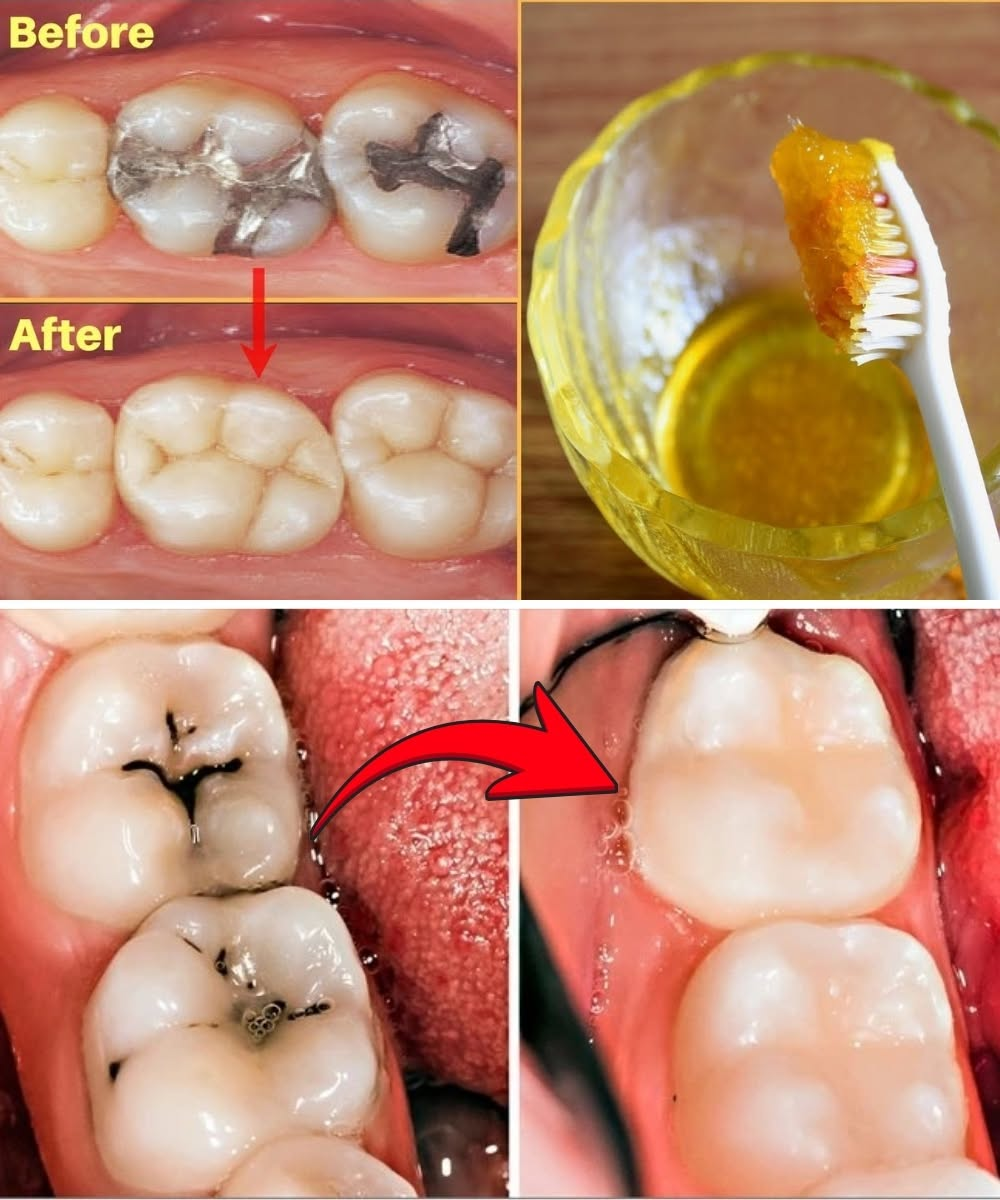
Tooth cavities are one of the most common dental problems worldwide. They can begin as small areas of enamel damage and gradually develop into painful holes in the teeth. Many people search for natural remedies hoping to reverse tooth decay or avoid a dental visit altogether.
While certain home remedies may help reduce tooth discomfort and support oral hygiene, it is important to understand a key fact: once a true cavity forms a hole in the tooth, it cannot heal or disappear naturally. Professional dental treatment is usually required to repair the damage.
That said, natural remedies can play a useful role in easing temporary discomfort, supporting oral health, and helping prevent future cavities. In this guide, you’ll learn what causes cavities, which natural remedies may provide relief, and the best habits for protecting your teeth long term.
Understanding What Causes Tooth Cavities
A cavity develops when bacteria inside the mouth feed on sugars and starches from food and drinks. As these bacteria break down sugars, they produce acids that gradually wear away the protective enamel covering the teeth.
Over time, repeated acid attacks weaken the enamel and create small openings. If left untreated, these openings become larger cavities that may eventually reach deeper layers of the tooth.
Common Causes of Cavities
Several factors can increase your risk of tooth decay:
- Frequent consumption of sugary foods and beverages
- Poor brushing habits
- Inadequate flossing
- Plaque buildup
- Dry mouth
- Acidic drinks
- Poor nutrition
- Lack of regular dental checkups
Understanding these causes is the first step toward protecting your oral health.
Natural Turmeric and Coconut Oil Paste for Tooth Pain Relief
One popular home remedy combines turmeric, coconut oil, and clove oil. While this mixture cannot repair a cavity, it may help soothe discomfort temporarily.
Ingredients
- 1 teaspoon turmeric powder
- 1 tablespoon coconut oil
- 2–3 drops clove oil (optional)
Why These Ingredients Are Used
Turmeric
Turmeric contains curcumin, a natural compound known for its anti-inflammatory and antioxidant properties. It may help calm irritated gum tissue and reduce temporary discomfort.
Coconut Oil
Coconut oil is commonly used in traditional oral-care practices. It helps lubricate the mouth and may support oral hygiene when used as part of a broader dental routine.
Clove Oil
Clove oil contains eugenol, a compound widely used in dentistry for temporary pain relief. It may help numb the affected area for a short period.
How to Prepare the Paste
- Place turmeric powder in a small bowl.
- Add coconut oil.
- Add clove oil if desired.
- Mix thoroughly until a smooth paste forms.
How to Use It
- Apply a small amount to the affected tooth using a clean cotton swab.
- Leave it in place for about 10 minutes.
- Rinse thoroughly with warm water.
- Repeat once or twice daily if comfortable.
Other Natural Remedies That May Help
Saltwater Rinse
A saltwater rinse is one of the simplest and most effective home remedies for oral discomfort.
Benefits
- Helps clean the mouth
- Reduces irritation
- Supports gum health
- May decrease bacterial buildup
Instructions
- Mix ½ teaspoon salt into a glass of warm water.
- Swish for 30 seconds.
- Spit out.
- Repeat 2–3 times daily.
Oil Pulling
Oil pulling is an ancient practice involving swishing oil around the mouth.
How to Do It
- Place 1 tablespoon of coconut oil in your mouth.
- Swish gently for 10–15 minutes.
- Spit it out into a trash can.
- Rinse thoroughly.
- Brush your teeth as usual.
Although research is still limited, some people find oil pulling helpful as part of their oral hygiene routine.
Clove Oil Application
Clove oil remains one of the most popular natural remedies for temporary tooth pain.
Instructions
- Dilute one drop of clove oil with a carrier oil.
- Apply carefully to the painful area.
- Avoid swallowing large amounts.
The numbing effect may provide short-term relief while waiting for dental care.
Foods That Support Dental Health
Your diet plays an important role in protecting your teeth.
Calcium-Rich Foods
Calcium supports strong teeth and bones.
Examples include:
- Cheese
- Yogurt
- Milk
- Almonds
- Sardines
Foods Rich in Vitamin D
Vitamin D helps your body absorb calcium effectively.
Sources include:
- Eggs
- Fatty fish
- Fortified dairy products
Crunchy Fruits and Vegetables
These foods stimulate saliva production, which helps protect teeth naturally.
Examples include:
- Apples
- Carrots
- Celery
- Cucumbers
Green Tea
Green tea contains natural compounds that may help support oral health and reduce bacterial growth.
Can Cavities Heal Naturally?
This is one of the most frequently asked questions online.
Early Enamel Damage
Very early stages of tooth decay may sometimes stabilize when combined with:
- Fluoride toothpaste
- Reduced sugar intake
- Improved oral hygiene
- Professional dental monitoring
In these cases, the enamel may strengthen before a cavity fully develops.
Established Cavities
Once a visible hole forms in the tooth, it cannot grow back or repair itself naturally.
Treatment usually requires:
- Fillings
- Crowns
- Root canal treatment
- Other dental procedures
Natural remedies may help manage symptoms but cannot close or repair the damaged tooth structure.
Warning Signs You Should See a Dentist
Do not rely solely on home remedies if you experience:
Severe Tooth Pain
Persistent pain often indicates deeper tooth damage.
Visible Holes
A visible cavity requires professional treatment.
Swelling
Swelling in the gums, jaw, or face may indicate infection.
Increasing Sensitivity
Sensitivity to hot, cold, or sweet foods that continues to worsen should be evaluated.
Fever or Pus
These may be signs of a serious dental infection that requires immediate care.
Daily Habits to Prevent Future Cavities
Prevention is far easier and less expensive than treatment.
Brush Twice Daily
Use fluoride toothpaste and brush for at least two minutes.
Floss Every Day
Floss removes plaque and food particles between teeth where brushes cannot reach.
Reduce Sugar Intake
Limiting sugary snacks and drinks reduces acid attacks on your enamel.
Drink Plenty of Water
Water helps wash away food particles and supports saliva production.
Visit Your Dentist Regularly
Routine cleanings and checkups help detect problems early.
Helpful Tips for Better Oral Health
Use a Soft-Bristled Toothbrush
Hard brushing can damage enamel and irritate gums.
Replace Your Toothbrush Regularly
Replace it every 3–4 months or sooner if the bristles become worn.
Avoid Constant Snacking
Frequent snacking gives cavity-causing bacteria more opportunities to produce acid.
Chew Sugar-Free Gum
Sugar-free gum can stimulate saliva production and help protect teeth.
Avoid Smoking
Smoking increases the risk of gum disease and other oral health problems.
Final Thoughts
Natural remedies such as turmeric paste, coconut oil, clove oil, and saltwater rinses may provide temporary comfort and support oral hygiene. However, they cannot remove or cure an established cavity.
The best approach is to combine good daily oral care with regular dental visits. If you notice tooth pain, visible decay, or worsening sensitivity, seek professional dental treatment promptly to prevent further damage.
FAQs
Can turmeric remove a cavity?
No. Turmeric may help soothe irritation, but it cannot repair or remove a cavity.
Does clove oil cure tooth decay?
No. Clove oil may temporarily relieve pain, but it does not eliminate tooth decay.
Can a cavity disappear on its own?
No. Once a cavity forms a hole in the tooth, professional treatment is usually required.
Is coconut oil good for teeth?
Coconut oil may support oral hygiene as part of a healthy routine, but it is not a substitute for brushing and flossing.
What is the fastest way to stop cavity pain?
Temporary relief may come from clove oil, saltwater rinses, or over-the-counter pain relievers, but a dentist should evaluate the underlying cause.
How can I prevent cavities naturally?
Brush twice daily, floss regularly, limit sugar intake, drink plenty of water, and maintain regular dental checkups.
When should I see a dentist for a cavity?
You should see a dentist if you have persistent pain, visible tooth damage, swelling, sensitivity, or signs of infection.