

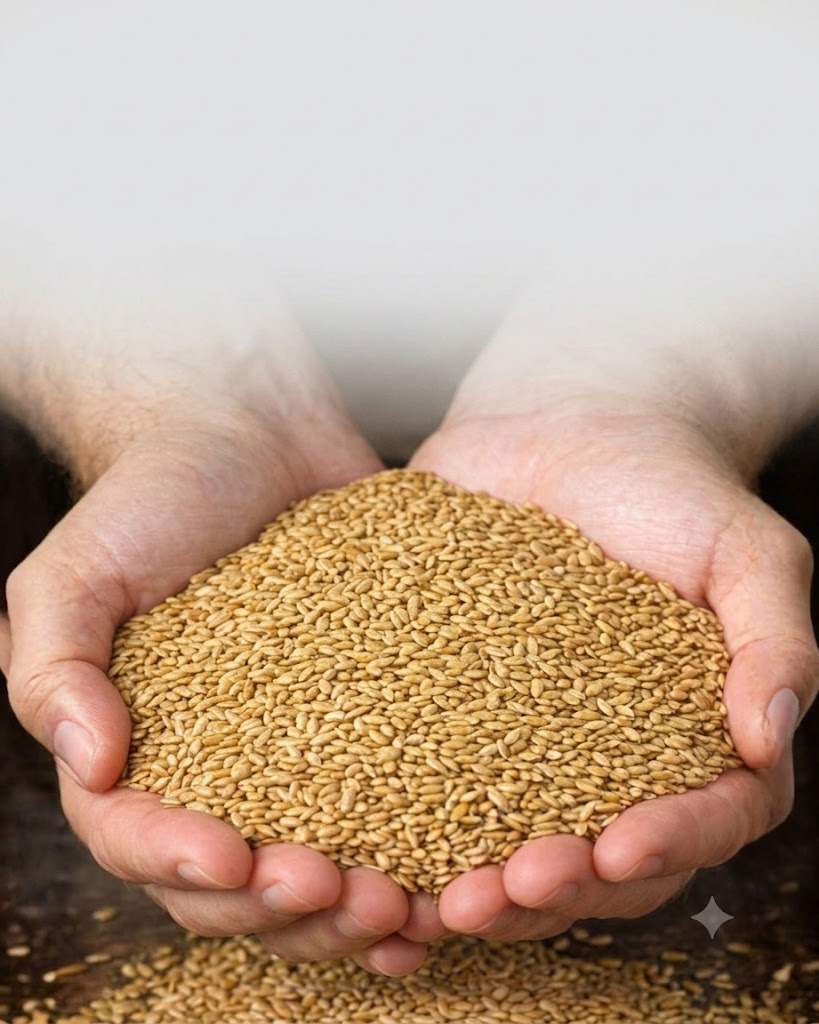
Alpiste, also known as canary seed (Phalaris canariensis), has become increasingly popular among people looking for nutritious plant-based foods. Traditionally known as bird feed, specially developed food-grade varieties are now approved for human consumption in several countries. These tiny seeds contain protein, healthy fats, antioxidants, vitamins, and minerals that make them an interesting addition to a balanced diet.
Many health enthusiasts refer to alpiste as a “superfood” because of its impressive nutritional profile. While no single food can prevent or cure disease, alpiste may support overall wellness when combined with healthy lifestyle habits.
What Is Alpiste?
Alpiste is a cereal grain belonging to the grass family, closely related to wheat, oats, and barley. The plant produces small seeds that have long been used in animal feed. Today, specially cultivated hairless varieties are available for human consumption.
Food-grade alpiste is commonly used to prepare plant-based milk, smoothies, flour, and healthy snacks. Its growing popularity comes from its high protein content and rich supply of beneficial plant compounds.
Nutritional Value of Alpiste
One reason alpiste has attracted attention is its impressive nutrient composition.
High Plant-Based Protein
Alpiste contains approximately 20–21% protein, making it richer in protein than many traditional cereal grains. Protein is essential for maintaining muscles, tissues, and overall body function.
The seeds also provide several essential amino acids that the body needs for growth and repair.
Healthy Fats
Alpiste contains beneficial unsaturated fats, including omega-3 and omega-9 fatty acids. These fats play a role in supporting heart health and maintaining healthy cell function.
Vitamins and Minerals
Alpiste provides important nutrients such as:
- Magnesium
- Phosphorus
- Zinc
- Manganese
- Vitamin E
- B-complex vitamins
These nutrients contribute to energy production, immune support, and healthy metabolism.
Antioxidants
The seeds contain antioxidants including:
- Beta-carotene
- Lutein
- Zeaxanthin
- Polyphenols
- Flavonoids
Antioxidants help protect cells from oxidative stress caused by free radicals.
Potential Health Benefits of Alpiste
While research is still ongoing, nutritional studies suggest several possible benefits associated with alpiste consumption.
Supports Heart Health
Alpiste contains healthy fats and plant sterols that may help maintain normal cholesterol levels when included as part of a healthy diet.
Some research has also explored bioactive peptides in alpiste that may support healthy blood pressure levels.
May Help Support Blood Sugar Balance
Protein and fiber-rich foods often help people feel fuller and may contribute to more stable blood sugar responses when consumed as part of balanced meals.
Although early studies are promising, more human research is needed before firm conclusions can be made.
Provides Antioxidant Protection
Oxidative stress contributes to normal aging and cellular damage. The antioxidants found in alpiste help neutralize free radicals and support overall health.
Including antioxidant-rich foods in the diet may contribute to long-term wellness.
Supports Healthy Digestion
Like many whole grains and seeds, alpiste can be incorporated into diets that support digestive health. When consumed with adequate water, fiber-containing foods can contribute to normal bowel function.
May Assist Weight Management
Protein-rich foods are often associated with improved satiety. Alpiste may help people feel full longer, making it a useful addition to healthy eating plans focused on weight management.
Supports Energy Production
Its combination of protein, minerals, and B vitamins helps support the body’s natural energy-producing processes.
Alpiste Milk: The Most Popular Way to Enjoy Alpiste
One of the most common ways to consume alpiste is by making homemade alpiste milk.
Ingredients
- 4–5 tablespoons food-grade alpiste seeds
- 2 cups water
- Optional: cinnamon, vanilla extract, or honey
Instructions
Step 1: Soak the Seeds
Place the seeds in water and soak for 8–12 hours or overnight.
Step 2: Rinse Thoroughly
Drain and rinse the seeds with fresh water.
Step 3: Blend
Add the soaked seeds and fresh water to a blender.
Blend for approximately one minute until smooth.
Step 4: Strain
Pour the mixture through a fine mesh strainer or cheesecloth.
Step 5: Serve
Drink immediately or refrigerate for later use.
Many people enjoy alpiste milk in the morning as part of a balanced breakfast.
Other Ways to Use Alpiste
Add to Smoothies
Blend soaked alpiste seeds with fruits and vegetables to create nutrient-rich smoothies.
Use as Flour
Ground alpiste flour can be added to:
- Pancakes
- Muffins
- Bread recipes
- Homemade energy bars
Sprinkle on Salads
Roasted alpiste seeds add texture and nutritional value to salads and grain bowls.
Add to Breakfast Bowls
Mix into oatmeal, yogurt, or smoothie bowls for extra protein.
Homemade Snack Bars
Alpiste can be combined with nuts, dried fruit, and natural sweeteners to make healthy snack bars.
How to Store Alpiste
Proper storage helps maintain freshness and nutritional quality.
Whole Seeds
Store in:
- Airtight containers
- Cool, dry places
- Away from direct sunlight
Alpiste Milk
Homemade alpiste milk should be refrigerated and consumed within 2–3 days.
Alpiste Flour
Store flour in a sealed container and use within several weeks for best quality.
Important Safety Considerations
Before adding alpiste to your diet, keep the following points in mind.
Use Food-Grade Alpiste Only
Always purchase alpiste specifically labeled for human consumption.
Traditional birdseed varieties are not suitable for people.
Introduce Gradually
When trying any new food, start with small amounts and monitor how your body responds.
Allergy Awareness
Individuals with allergies to grasses or cereal grains should consult a healthcare professional before consuming alpiste.
Medical Conditions
If you have existing health conditions or take medications regularly, seek professional medical advice before making significant dietary changes.
Tips for Getting the Most Out of Alpiste
Choose Quality Products
Purchase alpiste from reputable suppliers that specifically market it for human consumption.
Pair with Other Nutritious Foods
Combine alpiste with fruits, vegetables, nuts, and whole grains for balanced nutrition.
Stay Consistent
Like any healthy food, alpiste works best when consumed regularly as part of an overall healthy diet.
Avoid Added Sugar
When making alpiste milk or smoothies, limit added sugars to maximize nutritional benefits.
Maintain Realistic Expectations
Alpiste is a nutritious food, not a miracle cure. Focus on long-term healthy eating habits rather than expecting immediate results.
Final Thoughts
Alpiste has earned growing attention because of its impressive nutritional profile. Rich in protein, healthy fats, antioxidants, vitamins, and minerals, it offers a simple way to diversify a healthy diet.
Whether enjoyed as homemade alpiste milk, blended into smoothies, baked into recipes, or sprinkled over meals, this versatile seed can contribute valuable nutrients to everyday nutrition.
While research continues to explore its full potential, one thing is clear: alpiste is much more than birdseed. It is a nutrient-dense food that may support overall wellness when included in a balanced and healthy lifestyle.
FAQs
What is alpiste?
Alpiste, also known as canary seed, is a cereal grain grown from the plant Phalaris canariensis. Special food-grade varieties are cultivated for human consumption.
Is alpiste safe to eat?
Yes, food-grade alpiste approved for human consumption is considered safe when used as part of a balanced diet.
What does alpiste milk taste like?
Alpiste milk has a mild, slightly nutty flavor and can be enhanced with cinnamon, vanilla, or natural sweeteners.
Can alpiste help with weight loss?
Alpiste contains protein that may help promote fullness and support healthy eating habits. However, no single food causes weight loss on its own.
How much alpiste should I consume daily?
There is no official recommended amount. Many people use 4–5 tablespoons to prepare one serving of alpiste milk per day.
Is alpiste gluten-free?
Alpiste is naturally gluten-free, but cross-contamination during processing can occur. Check product labels if you have celiac disease or gluten sensitivity.
Can children consume alpiste?
Food-grade alpiste can generally be consumed as part of a balanced diet, but parents should consult a healthcare professional if they have concerns.
Does alpiste cure diseases?
No. Alpiste is a nutritious food, but it is not a treatment, cure, or replacement for professional medical care. Always follow medical advice for health conditions.