

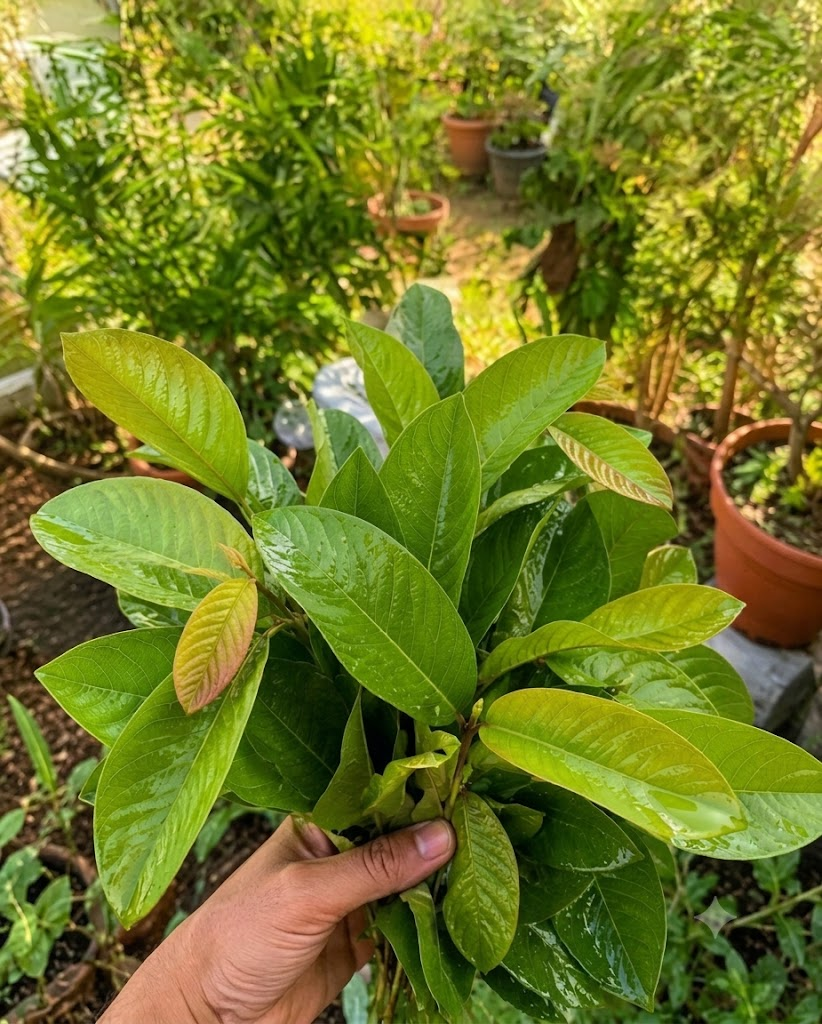
High Blood Sugar Levels? A Morning Tea Made with Guava Leaves May Help Support Healthy Glucose Control
High blood sugar is a growing concern worldwide, affecting millions of people living with diabetes, prediabetes, or other metabolic conditions. While medications, proper nutrition, and regular exercise remain the foundation of blood sugar management, many people are exploring natural remedies that may complement their healthy lifestyle efforts.
Among the herbal options attracting attention is guava leaf tea. Used for generations in traditional medicine, this simple beverage has gained popularity because of its potential to support healthy blood sugar levels and overall wellness. Rich in antioxidants and plant compounds, guava leaves may offer several benefits beyond glucose management, making them a valuable addition to a balanced routine.
But can a morning cup of guava leaf tea really make a difference? Let’s take a closer look at what science says, how to prepare it, and how it may fit into a healthy lifestyle.
Understanding High Blood Sugar
High blood sugar, also known as hyperglycemia, occurs when glucose levels in the bloodstream remain elevated for extended periods. This condition most commonly affects people with diabetes or prediabetes, but it can also develop due to poor dietary habits, lack of physical activity, chronic stress, obesity, or certain medical conditions.
When blood sugar remains consistently high, it can place extra strain on various organs and systems throughout the body. Over time, unmanaged glucose levels may contribute to:
- Heart disease
- Kidney damage
- Vision problems
- Nerve disorders
- Poor circulation
- Increased inflammation
Because of these potential complications, maintaining healthy blood sugar levels is one of the most important aspects of long-term health and wellness.
Why Guava Leaf Tea Is Gaining Attention
Guava leaves have been used in traditional healing practices throughout Asia, Central America, South America, and other tropical regions for centuries.
Unlike the sweet guava fruit, the leaves contain concentrated amounts of beneficial plant compounds, including:
- Flavonoids
- Polyphenols
- Tannins
- Quercetin
- Catechins
- Antioxidants
Researchers have become increasingly interested in these compounds because of their potential effects on metabolism, inflammation, and glucose regulation.
Today, guava leaf tea is commonly consumed by people seeking natural ways to support healthy blood sugar levels while also enjoying additional wellness benefits.
How Guava Leaf Tea May Help Control Blood Sugar
One of the most promising areas of research involving guava leaves relates to their impact on carbohydrate digestion and glucose absorption.
Slowing Carbohydrate Breakdown
Studies suggest that compounds found in guava leaves may help inhibit certain digestive enzymes responsible for breaking down carbohydrates.
As a result, glucose may enter the bloodstream more gradually after meals, helping reduce sharp spikes in blood sugar levels.
Supporting Insulin Sensitivity
Some research indicates that guava leaf extracts may help improve insulin sensitivity. Insulin is the hormone responsible for helping glucose move from the bloodstream into cells where it can be used for energy.
Improved insulin sensitivity allows the body to use glucose more efficiently and may support healthier blood sugar management.
Helping Maintain Stable Energy Levels
Rapid fluctuations in blood sugar often contribute to energy crashes, hunger, and cravings. By promoting steadier glucose levels, guava leaf tea may help support more consistent energy throughout the day.
While research findings are encouraging, guava leaf tea should be viewed as a supportive tool rather than a replacement for medical treatment or professional healthcare advice.
Nutritional and Antioxidant Properties of Guava Leaves
One reason guava leaves continue to attract scientific interest is their impressive antioxidant profile.
Rich Source of Quercetin
Quercetin is a powerful plant compound known for its antioxidant and anti-inflammatory properties. It may help reduce oxidative stress and support healthy cellular function.
Contains Catechins
Catechins are natural antioxidants also found in green tea. These compounds help neutralize free radicals that can damage cells and contribute to chronic disease.
Provides Polyphenols
Polyphenols may help protect tissues from inflammation while supporting cardiovascular and metabolic health.
Supports Overall Wellness
The combination of these bioactive compounds may contribute to better health by helping the body combat oxidative stress, which is believed to play a role in diabetes, heart disease, and other chronic conditions.
How to Prepare Guava Leaf Tea at Home
Making guava leaf tea is simple, affordable, and requires only a few ingredients.
Ingredients
- 5 to 10 fresh guava leaves
- 2 cups of water
Instructions
- Wash the guava leaves thoroughly under running water.
- Add the leaves to a saucepan containing two cups of water.
- Bring the mixture to a gentle boil.
- Reduce heat and allow it to simmer for 10 to 15 minutes.
- Remove from heat and strain the liquid.
- Allow the tea to cool slightly before drinking.
The tea can be enjoyed warm or chilled depending on personal preference.
Best Way to Drink It
For those seeking blood sugar support, it is generally recommended to drink guava leaf tea without added sugar. Adding sweeteners may reduce some of the intended benefits.
Many people enjoy one cup in the morning as part of their daily wellness routine.
Additional Health Benefits of Guava Leaf Tea
Blood sugar management is only one reason people drink guava leaf tea.
May Support Heart Health
Some studies suggest that guava leaves may help support healthy cholesterol levels and cardiovascular function.
May Improve Digestion
Traditional medicine practitioners have long used guava leaves to help ease digestive discomfort and support gut health.
May Help Reduce Inflammation
The antioxidants found in guava leaves may help reduce inflammatory processes throughout the body.
May Support Immune Function
By helping combat oxidative stress, guava leaf tea may contribute to overall immune system health and resilience.
Important Precautions and Considerations
Although guava leaf tea is generally considered safe for most healthy adults, some precautions should be kept in mind.
People Taking Diabetes Medications
Because guava leaf tea may help lower blood sugar levels, combining it with diabetes medications could potentially increase the risk of hypoglycemia (low blood sugar).
Anyone taking insulin or glucose-lowering medications should consult a healthcare professional before adding guava leaf tea to their routine.
Pregnant or Breastfeeding Women
Research on guava leaf tea during pregnancy and breastfeeding remains limited. Medical guidance is recommended before use.
Individuals with Chronic Health Conditions
People with ongoing medical conditions should discuss herbal remedies with their healthcare provider to ensure safety and avoid potential interactions.
Healthy Lifestyle Habits for Better Blood Sugar Control
No tea, supplement, or single food can replace healthy daily habits.
Follow a Balanced Diet
Focus on:
- Vegetables
- Fruits
- Whole grains
- Lean proteins
- Healthy fats
Limiting highly processed foods and sugary beverages can help improve blood sugar control.
Stay Physically Active
Regular exercise improves insulin sensitivity and helps the body use glucose more effectively.
Activities such as:
- Walking
- Cycling
- Swimming
- Strength training
can all contribute to healthier blood sugar levels.
Prioritize Quality Sleep
Poor sleep may negatively affect glucose regulation and increase cravings for high-sugar foods.
Manage Stress
Chronic stress can contribute to elevated blood sugar levels through hormonal changes. Techniques such as meditation, breathing exercises, and relaxation practices may help.
Tips for Getting the Most from Guava Leaf Tea
- Use fresh, healthy guava leaves whenever possible.
- Drink the tea without added sugar.
- Combine tea consumption with healthy eating habits.
- Stay hydrated throughout the day.
- Monitor blood sugar regularly if you have diabetes.
- Consult your healthcare provider before making major dietary changes.
- Be consistent, as benefits may take time to appear.
- Store unused tea in the refrigerator and consume within 24 hours.
Final Thoughts
Guava leaf tea is a traditional herbal beverage that may help support healthy blood sugar levels when combined with a balanced lifestyle. Rich in antioxidants, flavonoids, and beneficial plant compounds, it has attracted growing scientific interest for its potential effects on glucose regulation and overall wellness.
Although it should never replace medical treatment or professional healthcare guidance, incorporating a cup of guava leaf tea into your morning routine may be a simple and enjoyable way to support your health goals.
The greatest benefits come from combining this herbal tea with nutritious food choices, regular exercise, stress management, and proper medical care when needed.
Frequently Asked Questions
Can guava leaf tea lower blood sugar immediately?
Guava leaf tea is not a quick fix. Its potential benefits are generally associated with consistent use as part of an overall healthy lifestyle.
How often should I drink guava leaf tea?
Many people drink one to two cups daily. However, individuals with diabetes should consult their healthcare provider for personalized guidance.
Can I use dried guava leaves instead of fresh leaves?
Yes. Dried guava leaves can be used if fresh leaves are unavailable. Ensure they come from a reputable source and are free from contaminants.
Does guava leaf tea contain caffeine?
No. Guava leaf tea is naturally caffeine-free, making it suitable for most people at any time of day.
Is guava leaf tea safe for people with diabetes?
It may be helpful as a complementary beverage, but people taking diabetes medications should monitor blood sugar carefully and consult their healthcare provider before use.
Can guava leaf tea replace diabetes medication?
No. Guava leaf tea should never replace prescribed medications or professional medical treatment.
Disclaimer: This article is for informational purposes only and does not constitute medical advice, diagnosis, or treatment. Always consult a qualified healthcare professional before using herbal remedies, especially if you have diabetes, take medications, or have underlying medical conditions. Individual results may vary.High Blood Sugar Levels? A Morning Tea Made with Guava Leaves May Help Support Healthy Glucose Control
High blood sugar is a growing concern worldwide, affecting millions of people living with diabetes, prediabetes, or other metabolic conditions. While medications, proper nutrition, and regular exercise remain the foundation of blood sugar management, many people are exploring natural remedies that may complement their healthy lifestyle efforts.
Among the herbal options attracting attention is guava leaf tea. Used for generations in traditional medicine, this simple beverage has gained popularity because of its potential to support healthy blood sugar levels and overall wellness. Rich in antioxidants and plant compounds, guava leaves may offer several benefits beyond glucose management, making them a valuable addition to a balanced routine.
But can a morning cup of guava leaf tea really make a difference? Let’s take a closer look at what science says, how to prepare it, and how it may fit into a healthy lifestyle.
Understanding High Blood Sugar
High blood sugar, also known as hyperglycemia, occurs when glucose levels in the bloodstream remain elevated for extended periods. This condition most commonly affects people with diabetes or prediabetes, but it can also develop due to poor dietary habits, lack of physical activity, chronic stress, obesity, or certain medical conditions.
When blood sugar remains consistently high, it can place extra strain on various organs and systems throughout the body. Over time, unmanaged glucose levels may contribute to:
- Heart disease
- Kidney damage
- Vision problems
- Nerve disorders
- Poor circulation
- Increased inflammation
Because of these potential complications, maintaining healthy blood sugar levels is one of the most important aspects of long-term health and wellness.
Why Guava Leaf Tea Is Gaining Attention
Guava leaves have been used in traditional healing practices throughout Asia, Central America, South America, and other tropical regions for centuries.
Unlike the sweet guava fruit, the leaves contain concentrated amounts of beneficial plant compounds, including:
- Flavonoids
- Polyphenols
- Tannins
- Quercetin
- Catechins
- Antioxidants
Researchers have become increasingly interested in these compounds because of their potential effects on metabolism, inflammation, and glucose regulation.
Today, guava leaf tea is commonly consumed by people seeking natural ways to support healthy blood sugar levels while also enjoying additional wellness benefits.
How Guava Leaf Tea May Help Control Blood Sugar
One of the most promising areas of research involving guava leaves relates to their impact on carbohydrate digestion and glucose absorption.
Slowing Carbohydrate Breakdown
Studies suggest that compounds found in guava leaves may help inhibit certain digestive enzymes responsible for breaking down carbohydrates.
As a result, glucose may enter the bloodstream more gradually after meals, helping reduce sharp spikes in blood sugar levels.
Supporting Insulin Sensitivity
Some research indicates that guava leaf extracts may help improve insulin sensitivity. Insulin is the hormone responsible for helping glucose move from the bloodstream into cells where it can be used for energy.
Improved insulin sensitivity allows the body to use glucose more efficiently and may support healthier blood sugar management.
Helping Maintain Stable Energy Levels
Rapid fluctuations in blood sugar often contribute to energy crashes, hunger, and cravings. By promoting steadier glucose levels, guava leaf tea may help support more consistent energy throughout the day.
While research findings are encouraging, guava leaf tea should be viewed as a supportive tool rather than a replacement for medical treatment or professional healthcare advice.
Nutritional and Antioxidant Properties of Guava Leaves
One reason guava leaves continue to attract scientific interest is their impressive antioxidant profile.
Rich Source of Quercetin
Quercetin is a powerful plant compound known for its antioxidant and anti-inflammatory properties. It may help reduce oxidative stress and support healthy cellular function.
Contains Catechins
Catechins are natural antioxidants also found in green tea. These compounds help neutralize free radicals that can damage cells and contribute to chronic disease.
Provides Polyphenols
Polyphenols may help protect tissues from inflammation while supporting cardiovascular and metabolic health.
Supports Overall Wellness
The combination of these bioactive compounds may contribute to better health by helping the body combat oxidative stress, which is believed to play a role in diabetes, heart disease, and other chronic conditions.
How to Prepare Guava Leaf Tea at Home
Making guava leaf tea is simple, affordable, and requires only a few ingredients.
Ingredients
- 5 to 10 fresh guava leaves
- 2 cups of water
Instructions
- Wash the guava leaves thoroughly under running water.
- Add the leaves to a saucepan containing two cups of water.
- Bring the mixture to a gentle boil.
- Reduce heat and allow it to simmer for 10 to 15 minutes.
- Remove from heat and strain the liquid.
- Allow the tea to cool slightly before drinking.
The tea can be enjoyed warm or chilled depending on personal preference.
Best Way to Drink It
For those seeking blood sugar support, it is generally recommended to drink guava leaf tea without added sugar. Adding sweeteners may reduce some of the intended benefits.
Many people enjoy one cup in the morning as part of their daily wellness routine.
Additional Health Benefits of Guava Leaf Tea
Blood sugar management is only one reason people drink guava leaf tea.
May Support Heart Health
Some studies suggest that guava leaves may help support healthy cholesterol levels and cardiovascular function.
May Improve Digestion
Traditional medicine practitioners have long used guava leaves to help ease digestive discomfort and support gut health.
May Help Reduce Inflammation
The antioxidants found in guava leaves may help reduce inflammatory processes throughout the body.
May Support Immune Function
By helping combat oxidative stress, guava leaf tea may contribute to overall immune system health and resilience.
Important Precautions and Considerations
Although guava leaf tea is generally considered safe for most healthy adults, some precautions should be kept in mind.
People Taking Diabetes Medications
Because guava leaf tea may help lower blood sugar levels, combining it with diabetes medications could potentially increase the risk of hypoglycemia (low blood sugar).
Anyone taking insulin or glucose-lowering medications should consult a healthcare professional before adding guava leaf tea to their routine.
Pregnant or Breastfeeding Women
Research on guava leaf tea during pregnancy and breastfeeding remains limited. Medical guidance is recommended before use.
Individuals with Chronic Health Conditions
People with ongoing medical conditions should discuss herbal remedies with their healthcare provider to ensure safety and avoid potential interactions.
Healthy Lifestyle Habits for Better Blood Sugar Control
No tea, supplement, or single food can replace healthy daily habits.
Follow a Balanced Diet
Focus on:
- Vegetables
- Fruits
- Whole grains
- Lean proteins
- Healthy fats
Limiting highly processed foods and sugary beverages can help improve blood sugar control.
Stay Physically Active
Regular exercise improves insulin sensitivity and helps the body use glucose more effectively.
Activities such as:
- Walking
- Cycling
- Swimming
- Strength training
can all contribute to healthier blood sugar levels.
Prioritize Quality Sleep
Poor sleep may negatively affect glucose regulation and increase cravings for high-sugar foods.
Manage Stress
Chronic stress can contribute to elevated blood sugar levels through hormonal changes. Techniques such as meditation, breathing exercises, and relaxation practices may help.
Tips for Getting the Most from Guava Leaf Tea
- Use fresh, healthy guava leaves whenever possible.
- Drink the tea without added sugar.
- Combine tea consumption with healthy eating habits.
- Stay hydrated throughout the day.
- Monitor blood sugar regularly if you have diabetes.
- Consult your healthcare provider before making major dietary changes.
- Be consistent, as benefits may take time to appear.
- Store unused tea in the refrigerator and consume within 24 hours.
Final Thoughts
Guava leaf tea is a traditional herbal beverage that may help support healthy blood sugar levels when combined with a balanced lifestyle. Rich in antioxidants, flavonoids, and beneficial plant compounds, it has attracted growing scientific interest for its potential effects on glucose regulation and overall wellness.
Although it should never replace medical treatment or professional healthcare guidance, incorporating a cup of guava leaf tea into your morning routine may be a simple and enjoyable way to support your health goals.
The greatest benefits come from combining this herbal tea with nutritious food choices, regular exercise, stress management, and proper medical care when needed.
Frequently Asked Questions
Can guava leaf tea lower blood sugar immediately?
Guava leaf tea is not a quick fix. Its potential benefits are generally associated with consistent use as part of an overall healthy lifestyle.
How often should I drink guava leaf tea?
Many people drink one to two cups daily. However, individuals with diabetes should consult their healthcare provider for personalized guidance.
Can I use dried guava leaves instead of fresh leaves?
Yes. Dried guava leaves can be used if fresh leaves are unavailable. Ensure they come from a reputable source and are free from contaminants.
Does guava leaf tea contain caffeine?
No. Guava leaf tea is naturally caffeine-free, making it suitable for most people at any time of day.
Is guava leaf tea safe for people with diabetes?
It may be helpful as a complementary beverage, but people taking diabetes medications should monitor blood sugar carefully and consult their healthcare provider before use.
Can guava leaf tea replace diabetes medication?
No. Guava leaf tea should never replace prescribed medications or professional medical treatment.