

12 Popular Home Remedies People Use for Skin Tags at Home (Natural Ideas to Explore)
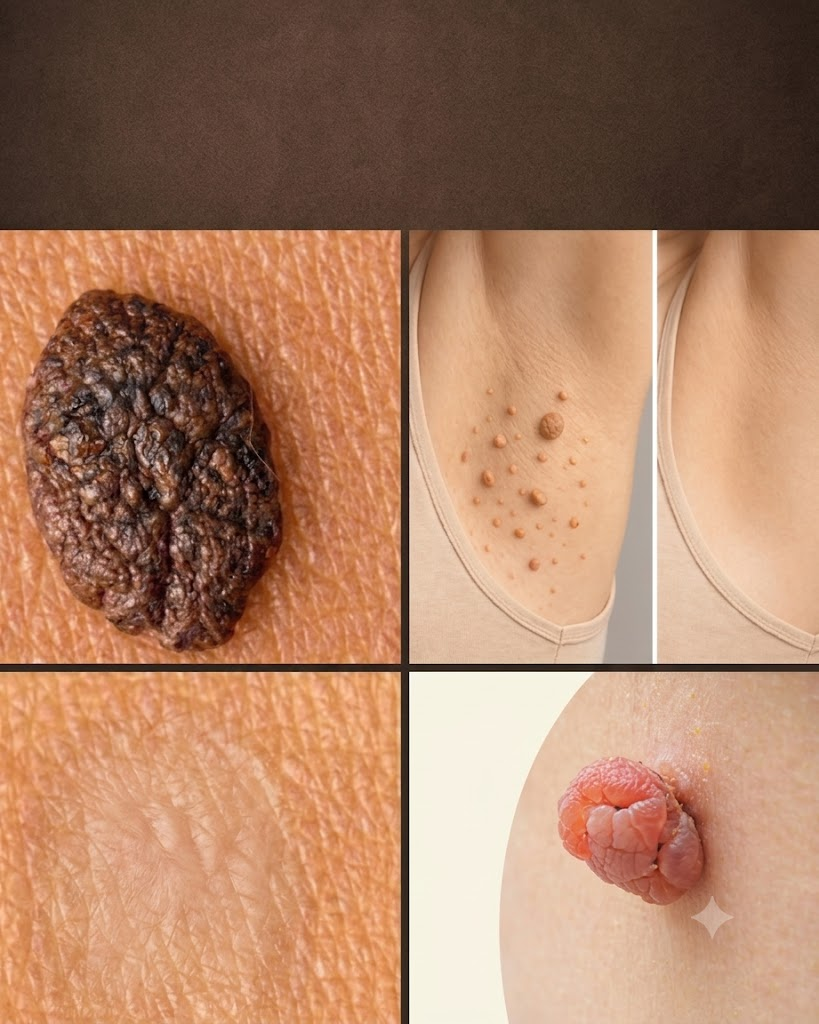
Skin tags are small, soft growths that commonly appear on areas where skin experiences friction, such as the neck, armpits, eyelids, groin, and beneath the breasts. While they are harmless and noncancerous, many people find them bothersome because they can catch on clothing, jewelry, or razors. Others simply dislike their appearance and look for ways to manage them without visiting a clinic.
Because skin tags are so common, numerous home remedies have gained popularity over the years. From kitchen ingredients to plant-based oils, people often search for natural options they can try at home. Although scientific evidence supporting many of these methods is limited, they continue to be widely discussed.
Before trying any remedy, it is important to understand what skin tags are, why they form, and when professional medical care is the better option.
What Are Skin Tags?
Skin tags, medically known as acrochordons, are small growths made up of collagen fibers, blood vessels, and skin tissue. They typically hang from the skin by a thin stalk and can range in size from a few millimeters to several centimeters.
Unlike warts, skin tags are not caused by viruses. They are usually painless unless they become irritated from rubbing or twisting.
Most skin tags are harmless, but any unusual skin growth should be evaluated by a healthcare professional if it changes in appearance or causes concern.
Why Do Skin Tags Develop?
Researchers believe several factors may contribute to skin tag formation.
Friction and Skin Rubbing
Areas where skin frequently rubs against skin or clothing are more likely to develop skin tags. This is why they commonly appear on the neck, underarms, and groin.
Weight Gain and Obesity
Extra body weight can increase skin folds and friction, creating ideal conditions for skin tags to form.
Hormonal Changes
Hormonal fluctuations during pregnancy may increase the likelihood of developing skin tags.
Genetics
Some people appear genetically predisposed to skin tags. If close family members have them, your chances may be higher.
Aging
Skin tags become increasingly common with age, particularly after the age of 40.
Metabolic Factors
Some studies suggest a connection between multiple skin tags and conditions such as insulin resistance, obesity, and elevated blood sugar levels.
12 Popular Home Remedies People Use for Skin Tags
While none of these remedies are guaranteed to remove skin tags, they are among the most commonly discussed natural approaches.
Apple Cider Vinegar
Apple cider vinegar is one of the most popular home remedies for skin concerns due to its acidic nature.
How to use it:
- Dilute apple cider vinegar with equal parts water.
- Soak a cotton ball in the mixture.
- Apply to the skin tag for 15–30 minutes.
- Rinse thoroughly afterward.
- Repeat daily if no irritation occurs.
Some users report that the tag gradually dries out over time.
Tea Tree Oil
Tea tree oil is known for its antimicrobial properties and is commonly used in skin care.
How to use it:
- Mix a few drops with a carrier oil.
- Apply directly to the skin tag using a cotton swab.
- Repeat twice daily.
Because essential oils can cause irritation, patch testing is recommended.
Garlic
Garlic contains natural sulfur compounds that have been studied for various skin-related benefits.
How to use it:
- Crush a fresh garlic clove into a paste.
- Apply a small amount to the skin tag.
- Cover with a bandage overnight.
- Wash thoroughly the next morning.
Repeat consistently for several weeks.
Banana Peel
The inside of banana peels contains natural plant compounds that many people use in DIY skin care routines.
How to use it:
- Cut a small piece of banana peel.
- Place the inner side against the skin tag.
- Secure with medical tape or a bandage.
- Leave overnight.
Castor Oil and Baking Soda Paste
This traditional remedy combines moisturizing castor oil with baking soda.
How to use it:
- Mix enough castor oil and baking soda to form a thick paste.
- Apply directly to the area.
- Leave on for 20–30 minutes.
- Rinse and repeat daily.
Aloe Vera
Aloe vera is widely known for its soothing and moisturizing properties.
How to use it:
- Apply fresh aloe vera gel directly to the skin tag.
- Massage gently.
- Repeat twice daily.
Vitamin E Oil
Vitamin E supports healthy skin and is often used in beauty routines.
How to use it:
- Apply a small amount directly to the growth.
- Massage gently.
- Continue daily for several weeks.
Iodine
Some individuals use iodine as part of their skin care regimen.
How to use it:
- Protect surrounding skin with petroleum jelly.
- Dab a small amount of iodine directly onto the tag.
- Allow it to dry naturally.
Avoid excessive use, especially on sensitive skin.
Dandelion Stem Sap
Traditional herbal practices sometimes use the milky sap found inside dandelion stems.
How to use it:
- Break a fresh stem.
- Apply the sap directly to the tag.
- Repeat twice daily.
Coconut Oil
Coconut oil is valued for its moisturizing properties.
How to use it:
- Warm slightly between your fingers.
- Massage onto the skin tag several times daily.
Oregano Oil
Oregano oil contains potent plant compounds but must always be diluted.
How to use it:
- Mix a few drops with a carrier oil.
- Apply carefully to the area once daily.
Never use undiluted oregano oil on the skin.
Friction Reduction and Good Skin Care
While not a direct treatment, reducing irritation can help prevent discomfort.
Simple strategies include:
- Wearing loose-fitting clothing.
- Keeping skin folds dry.
- Maintaining good hygiene.
- Managing body weight through healthy lifestyle habits.
Tips for Safely Trying Home Remedies
Before experimenting with any natural approach, keep these important safety tips in mind:
Always Patch Test First
Apply the product to a small area of skin before using it on a skin tag.
Avoid Sensitive Areas
Never attempt home remedies on skin tags near the eyes, genitals, or other delicate areas.
Be Patient
Natural approaches often take weeks to show any visible changes.
Stop if Irritation Occurs
Redness, burning, swelling, or discomfort are signs to discontinue use.
Keep the Area Clean
Clean skin helps reduce the risk of irritation or infection.
When to See a Doctor Instead
Home remedies are not suitable for every situation.
Consult a healthcare professional if:
- The growth changes color.
- It becomes painful.
- It bleeds unexpectedly.
- It grows rapidly.
- You are unsure whether it is actually a skin tag.
A dermatologist can confirm the diagnosis and recommend safe removal methods.
Professional Skin Tag Removal Options
For those seeking faster results, doctors may recommend:
Cryotherapy
The tag is frozen with liquid nitrogen until it falls off.
Surgical Removal
A healthcare professional cuts the tag off using sterile instruments.
Electrocautery
Heat is used to remove the growth safely.
These procedures are generally quick and effective.
Final Thoughts
Skin tags are extremely common and usually harmless, but they can still affect comfort and confidence. Many people explore natural home remedies such as apple cider vinegar, tea tree oil, aloe vera, garlic, and coconut oil in hopes of reducing their appearance.
While these methods are popular, scientific evidence supporting them remains limited. Results vary from person to person, and patience is often required. The safest approach is always to monitor your skin carefully and seek professional advice if anything appears unusual.
For larger, painful, or suspicious growths, a dermatologist remains the most reliable source of diagnosis and treatment.
Frequently Asked Questions
How long do home remedies take to work on skin tags?
Most people who report success with home remedies typically use them consistently for several weeks. Results vary depending on the size and location of the skin tag.
Can skin tags disappear on their own?
Some skin tags may eventually dry out and fall off, but many remain unchanged unless removed.
Are skin tags contagious?
No. Skin tags are not caused by viruses and cannot spread from one person to another.
Can I cut off a skin tag myself?
Self-removal is not recommended because it can lead to bleeding, infection, or scarring. Professional removal is safer.
What is the fastest way to remove a skin tag?
Professional treatments such as cryotherapy, electrocautery, or surgical removal usually provide the quickest and most reliable results.
Can skin tags come back after removal?
The removed tag generally does not grow back, but new skin tags can develop in other areas over time.