

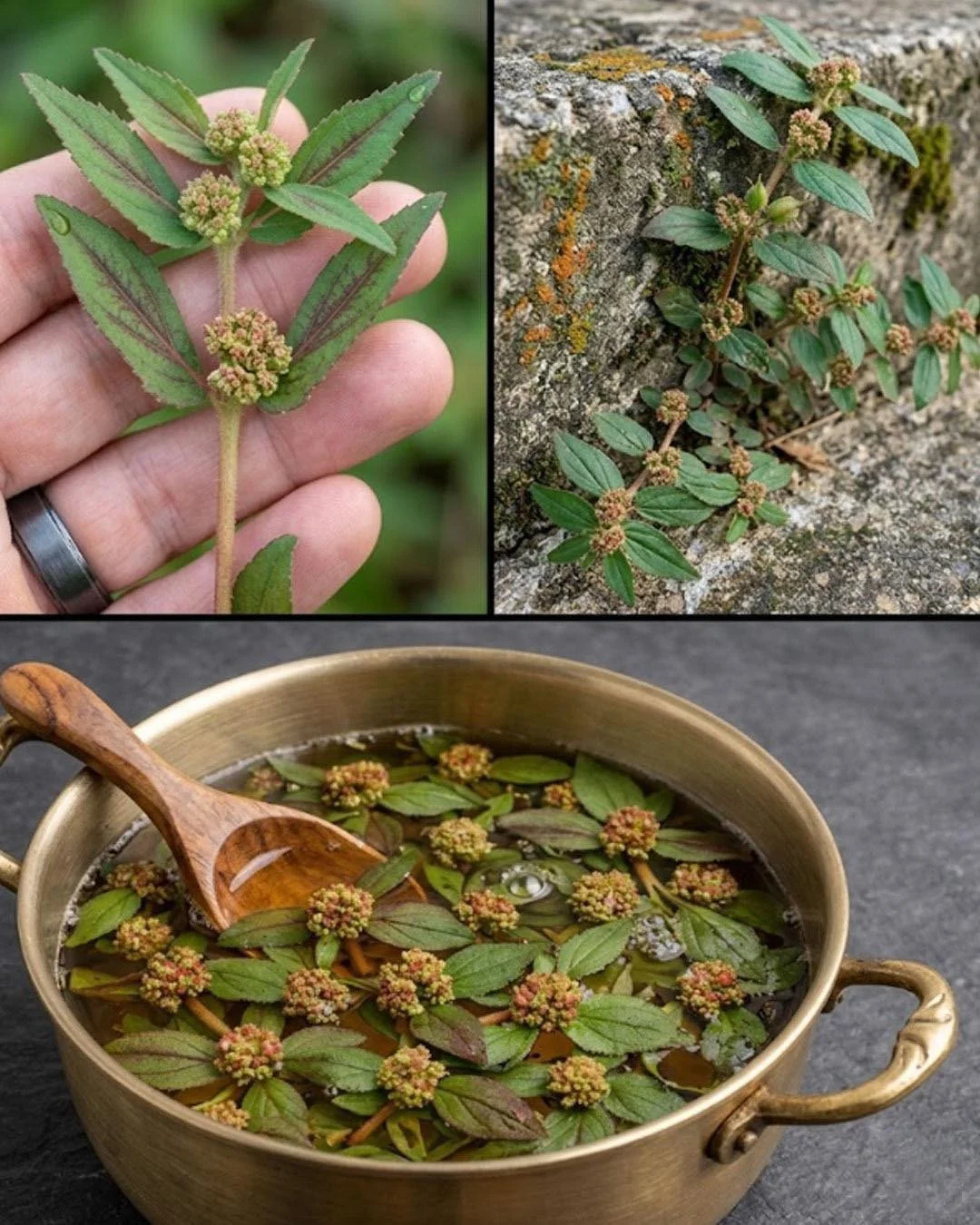
In many parts of the world, especially across tropical regions, certain plants grow quietly along roadsides and fields without drawing much attention. Yet some of these overlooked plants carry a long history of traditional use and natural wellness support. One such plant is Euphorbia hirta, often referred to as asthma weed.
For generations, communities have used this herb in simple home preparations to support breathing, digestion, skin health, and more. While modern science continues to explore its properties, its popularity in traditional remedies remains strong due to its accessibility and versatility.
This article explores the most well-known benefits of this plant, how it is commonly used, and important precautions to keep in mind.
What Is Euphorbia Hirta?
A Simple Plant with Complex Compounds
Euphorbia hirta is a small, leafy herb that thrives in warm climates. It is often found growing naturally in open areas, gardens, and roadsides.
Despite its modest appearance, the plant contains several bioactive compounds such as:
- Flavonoids
- Tannins
- Alkaloids
- Phenolic compounds
These compounds are often associated with antioxidant, anti-inflammatory, and antimicrobial activity.
Why It Has Been Used Traditionally
A Multi-Purpose Herbal Remedy
Traditional practices have used this plant for a wide range of concerns. Its appeal lies in its ability to be prepared in different ways, including teas, pastes, and infusions.
Easy to Access and Prepare
Because it grows widely and requires minimal processing, it has remained a practical option for many households.
Key Health Benefits
Respiratory Support
One of the most recognized uses of Euphorbia hirta is for breathing comfort.
It has been traditionally used to:
- Help relax airways
- Support easier breathing
- Soothe coughs and throat irritation
People often prepare it as a warm decoction to support respiratory comfort during seasonal changes.
Digestive Comfort
The plant has been used to manage digestive discomfort such as:
- Loose stools
- Mild intestinal irritation
- General stomach imbalance
Its astringent nature may help calm the digestive system and restore balance.
Skin Support and Healing
Applied externally, this plant is known for its soothing properties.
It is commonly used for:
- Minor cuts and scrapes
- Insect bites
- Skin irritation
A simple paste made from fresh leaves is often applied to affected areas
Women’s Health Support
Traditional use also includes support for menstrual comfort.
It may help with:
- Mild cramps
- Cycle irregularities
- General discomfort during menstruation
A light infusion is sometimes used during this time.
Blood Sugar Balance Support
Some traditional practices suggest that Euphorbia hirta may support balanced blood sugar levels when used as part of a healthy routine.
Its antioxidant properties are believed to play a role in reducing oxidative stress.
Urinary System Support
The plant is also known for its mild diuretic effect.
It may help:
- Promote natural fluid balance
- Support urinary tract comfort
- Assist in flushing unwanted substances from the body
Herbal tea is the most common preparation for this purpose.
Immune System Support
Thanks to its natural compounds, the plant is often used to support overall wellness.
It may contribute to:
- General immune strength
- Protection against everyday infections
- Recovery support during mild illness
Regular use in small amounts is common in traditional routines.
Fever and Inflammation Relief
This plant has been used during periods of fever or discomfort.
It may help:
- Reduce body heat
- Ease mild inflammation
- Provide general comfort during illness
Warm tea is typically used in these situations.
Skin Conditions Relief
Beyond minor wounds, the plant is also used for ongoing skin concerns such as:
- Acne
- Rashes
- Eczema-like irritation
Its calming and cleansing properties make it a popular natural option.
How to Use Euphorbia Hirta
Herbal Tea
Boil the leaves in water for several minutes, then strain and drink warm. This is the most common method.
Leaf Paste
Crush fresh leaves into a paste and apply directly to the skin for localized support.
Mild Infusion
Use a lighter preparation for regular consumption or sensitive situations.
Practical Tips for Best Results
Use Fresh and Clean Leaves
Always wash the plant thoroughly before use to remove dirt and impurities.
Start with Small Amounts
Begin with small servings to observe how your body responds.
Use Consistently, Not Excessively
Regular moderate use is preferred over large amounts.
Combine with Healthy Habits
Natural remedies work best alongside balanced nutrition and hydration.
Safety and Precautions
Avoid Overuse
Excess consumption may cause stomach discomfort or irritation.
Pregnancy and Breastfeeding
Consult a healthcare professional before use.
Allergy Testing
Always test a small amount on the skin before full application.
Medical Conditions
If you have existing health conditions or take medication, seek professional advice before using herbal remedies.
FAQs
Is Euphorbia hirta safe for daily use?
Small amounts are commonly used in traditional practices, but daily use should be moderate and monitored.
Can it replace medical treatment?
No. It is a supportive natural option and should not replace professional medical care.
How long does it take to see results?
This varies depending on the individual and the condition. Consistency matters more than speed.
Can I use it both internally and externally?
Yes, but each method should be used carefully and appropriately.
What does it taste like?
It has a slightly bitter, earthy taste, which is common in many herbal remedies.
Conclusion
Euphorbia hirta may appear simple, but it has earned its place in traditional wellness practices for a reason. From respiratory support to skin care and digestive comfort, it offers a wide range of potential benefits when used thoughtfully.
The key is balance. Natural remedies are most effective when used consistently, carefully, and alongside a healthy lifestyle.