

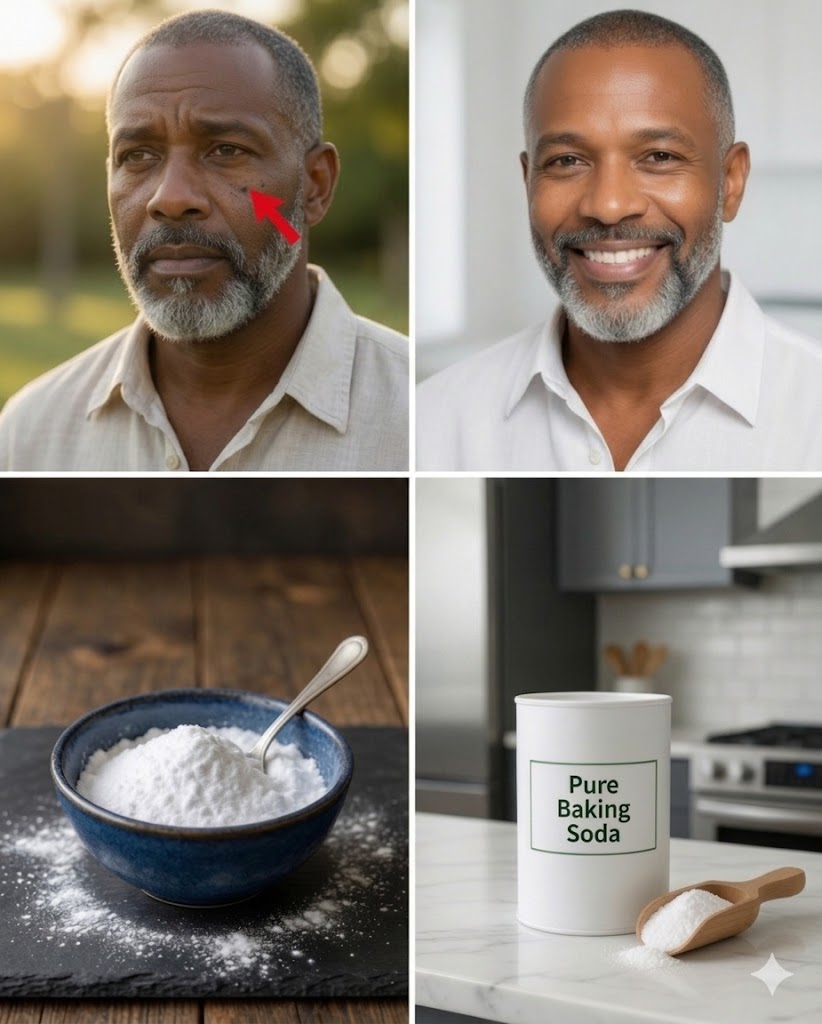
Baking soda is one of the most common ingredients found in almost every kitchen. People use it for baking, cleaning, deodorizing, and even homemade beauty routines. In recent years, many skincare enthusiasts have started using baking soda on the face because of its exfoliating and oil-absorbing properties.
While baking soda may help remove dead skin cells and temporarily reduce excess oil, it is not suitable for everyone. Using it incorrectly can damage the skin barrier, cause irritation, and make sensitive skin problems worse.
Understanding both the benefits and risks is important before adding baking soda to your skincare routine. When used carefully and in moderation, it may provide short-term skin-smoothing effects. However, overuse can quickly lead to dryness, redness, and discomfort.
This guide explains how baking soda affects the skin, its possible benefits, the potential dangers, and the safest ways to use it.
What Is Baking Soda?
Sodium Bicarbonate, commonly called baking soda, is a white alkaline powder widely used in cooking and household cleaning.
Because it has a slightly gritty texture, many people use it as a natural exfoliant. It can help remove surface buildup, oil, and dead skin cells from the face. However, its alkaline nature is also the main reason dermatologists recommend caution.
Healthy skin naturally maintains a mildly acidic pH level. Baking soda is highly alkaline, which means frequent use can interfere with the skin’s protective barrier.
Why People Use Baking Soda on the Face
Many DIY skincare trends focus on inexpensive ingredients that are easy to find at home. Baking soda became popular because it is:
- Cheap
- Easy to access
- Simple to mix into face masks or scrubs
- Known for absorbing oil and odors
- Slightly abrasive for exfoliation
Some people report smoother skin and reduced shine after using it. Others experience irritation almost immediately. Skin type and frequency of use make a major difference.
Benefits of Baking Soda for the Skin
Natural Exfoliation
One of the biggest reasons people use baking soda on the face is its exfoliating effect.
The fine particles help remove dead skin cells from the surface of the skin. This may leave the complexion looking brighter and smoother after use.
Potential benefits of gentle exfoliation include:
- Smoother skin texture
- Reduced dullness
- Fresher-looking skin
- Removal of surface impurities
- Temporary softening of rough patches
People with oily skin sometimes notice a cleaner feel after using baking soda as a mild scrub.
Deep Cleansing Support
Baking soda is known for its ability to absorb oil and neutralize odors. On the skin, it may help reduce greasy buildup and temporarily clear surface debris from pores.
Possible effects include:
- Less oily shine
- Cleaner-feeling skin
- Reduced buildup
- Fresher appearance
This is why some people use it occasionally as part of a deep-cleansing routine.
Temporary Oil Control
Those with oily skin often struggle with excess sebum that can leave the face looking shiny throughout the day.
Because baking soda absorbs oil, it may temporarily reduce surface grease and help the skin feel cleaner.
However, this effect is usually short-lived and should not replace a balanced skincare routine.
Mild Relief for Minor Irritation
Some people use baking soda for mild itching or temporary irritation caused by:
- Insect bites
- Mild redness
- Surface irritation
- Minor itchiness
Its soothing effect may provide short-term comfort for some individuals. Still, it should never replace medical treatment for serious skin conditions.
Risks of Using Baking Soda on the Face
Although baking soda offers some benefits, the risks are significant if it is overused.
Disrupts the Skin Barrier
Healthy skin maintains a slightly acidic surface called the acid mantle. This protective layer helps:
- Retain moisture
- Prevent irritation
- Defend against bacteria
- Maintain balanced skin function
Baking soda is highly alkaline, which can weaken this protective barrier.
When the barrier becomes damaged, the skin may become:
- Dry
- Sensitive
- Tight
- Inflamed
- More prone to breakouts
This is one of the biggest concerns dermatologists mention regarding DIY baking soda treatments.
Excessive Dryness
Because baking soda removes oil aggressively, it can strip away too much natural moisture.
Signs of overuse include:
- Flaking
- Peeling
- Tight skin
- Rough texture
- Cracking
People with dry or combination skin are especially vulnerable to these effects.
Skin Irritation
The gritty texture of baking soda can be too abrasive for delicate facial skin.
Scrubbing too hard or leaving it on too long may cause:
- Redness
- Burning
- Stinging
- Sensitivity
- Inflammation
Sensitive skin types often react badly even after a single use.
May Worsen Acne
Many people try baking soda for acne because it dries excess oil. However, removing too much oil can trigger the skin to produce even more sebum.
This rebound effect may lead to:
- Increased breakouts
- More irritation
- Inflamed acne
- Damaged skin barrier
For this reason, baking soda is not considered a reliable long-term acne treatment.
How to Use Baking Soda Safely on the Face
If you decide to try baking soda, moderation is extremely important.
Basic Baking Soda Paste
Ingredients
- 1 teaspoon baking soda
- Small amount of water
Instructions
- Mix the baking soda with enough water to create a soft paste.
- Apply gently to damp skin.
- Avoid the eye area completely.
- Massage lightly using small circular motions.
- Leave on for no more than 1–2 minutes.
- Rinse thoroughly with lukewarm water.
Do not scrub aggressively.
How Often Should You Use It?
Overuse is one of the biggest causes of irritation.
Recommended frequency:
- Sensitive skin: once every 1–2 weeks
- Oily skin: up to once weekly
- Dry skin: generally not recommended
Daily use can seriously damage the skin barrier.
Always Moisturize Afterward
After rinsing off baking soda, apply a gentle moisturizer immediately.
Look for moisturizers that are:
- Fragrance-free
- Non-comedogenic
- Designed for sensitive skin
Hydration helps restore moisture and protect the skin barrier.
Patch Test First
Before applying baking soda to your face, test it on a small area such as:
- Behind the ear
- Inner wrist
- Jawline
Wait 24 hours to check for:
- Redness
- Burning
- Swelling
- Itching
If irritation occurs, avoid using it on the face.
Who Should Avoid Baking Soda on the Face?
Baking soda is not ideal for everyone.
It is generally best avoided by people with:
- Sensitive skin
- Eczema
- Rosacea
- Very dry skin
- Active skin irritation
- Open wounds
- Inflamed acne
If you have ongoing skin concerns, consulting a dermatologist is the safest option.
Better Alternatives for Gentle Exfoliation
Many skincare experts recommend gentler exfoliants instead of baking soda.
Safer options may include:
Oatmeal
Oatmeal can soothe sensitive skin while gently exfoliating.
Lactic Acid
Lactic Acid helps remove dead skin cells with less irritation.
Salicylic Acid
Salicylic Acid may help oily or acne-prone skin without disrupting the barrier as harshly.
Enzyme Exfoliants
Fruit enzyme products offer mild exfoliation and are often better tolerated by sensitive skin.
Tips for Healthy Skin Without Harsh DIY Treatments
Healthy skin usually responds best to consistent, balanced care rather than harsh treatments.
Helpful habits include:
- Washing with gentle cleansers
- Wearing sunscreen daily
- Staying hydrated
- Avoiding excessive scrubbing
- Moisturizing regularly
- Getting enough sleep
- Eating nutrient-rich foods
Simple routines often produce better long-term results than aggressive DIY trends.
Frequently Asked Questions
Can baking soda remove dark spots?
Baking soda may temporarily brighten the skin through exfoliation, but it is not a proven treatment for dark spots or hyperpigmentation.
Is baking soda safe for sensitive skin?
People with sensitive skin often experience irritation from baking soda. A patch test is important before use.
Can I use baking soda every day?
No. Daily use greatly increases the risk of dryness, irritation, and barrier damage.
Does baking soda help acne?
It may temporarily reduce oiliness, but frequent use can worsen irritation and breakouts.
How long should baking soda stay on the face?
No more than 1–2 minutes. Leaving it on longer increases the chance of irritation.
Final Thoughts
Baking soda may provide temporary exfoliating and cleansing benefits when used carefully and occasionally. It can help remove dead skin cells, reduce excess oil, and leave the skin feeling smoother for a short time.
However, because baking soda is highly alkaline and abrasive, excessive use may damage the skin barrier and trigger dryness, irritation, or sensitivity.
The safest approach is moderation. Use small amounts, avoid aggressive scrubbing, moisturize afterward, and pay attention to how your skin reacts. In most cases, gentle skincare products designed specifically for the face are safer and more effective long term.