

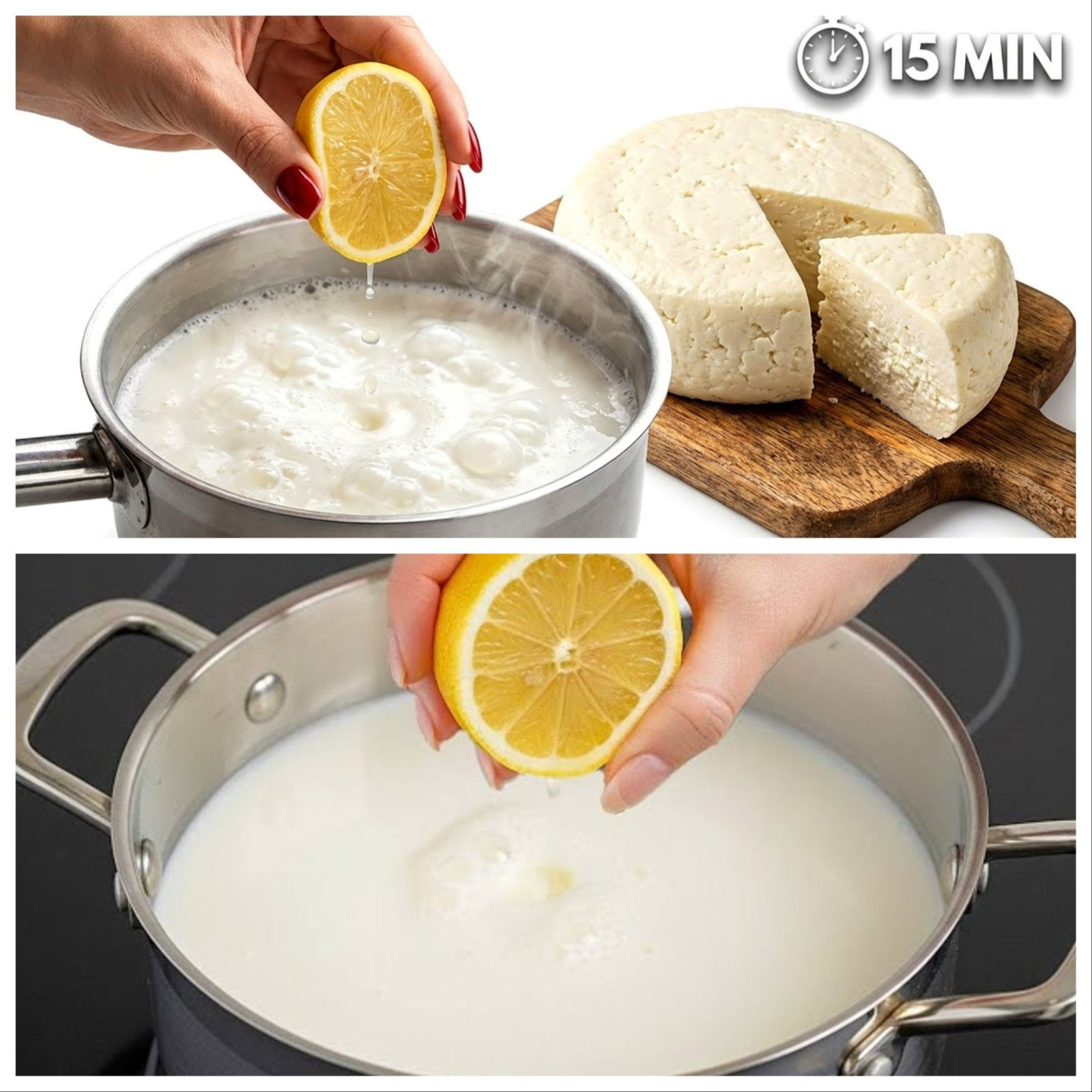
Making fresh homemade cheese sounds complicated, but it can actually be one of the easiest recipes in your kitchen. With nothing more than milk and fresh lemon juice, you can create a soft, creamy cheese in about 10 minutes using simple pantry ingredients.
This old-fashioned method works because the acidity in lemon juice reacts with the proteins in hot milk, causing the milk to separate into soft curds and liquid whey. The result is a light homemade cheese that tastes fresher and cleaner than many store-bought options.
People love this quick recipe because it is:
- Budget-friendly
- Easy for beginners
- High in protein
- Naturally simple
- Free from unnecessary additives
- Ready in minutes
Whether you spread it on toast, crumble it over salads, or enjoy it warm on its own, this homemade lemon cheese can become a regular part of your kitchen routine.
Why Lemon and Milk Work Together
When fresh lemon juice is added to boiling milk, the citric acid causes the milk proteins to coagulate. This process separates the milk into:
- Curds — the soft white solids used for cheese
- Whey — the yellowish liquid left behind
The curds form the homemade cheese, while the whey can still be used in smoothies, soups, baking, or cooking grains.
This traditional process is similar to how simple cheeses like paneer or farmer’s cheese are made around the world.
Benefits of Homemade Lemon Cheese
Homemade cheese made with milk and lemon can be part of a balanced diet when enjoyed in moderation.
High in Protein
Milk naturally contains protein that helps support muscles, tissues, and overall body function.
Protein may help:
- Support muscle maintenance
- Promote fullness after meals
- Assist recovery after activity
Rich in Calcium
Dairy foods are well known for their calcium content.
Calcium helps support:
- Bone health
- Teeth strength
- Muscle function
- Nerve signaling
Simple Ingredients
Unlike many processed cheese spreads, homemade lemon cheese uses only a few ingredients without preservatives or artificial additives.
Fresh Taste and Texture
Freshly made cheese often tastes:
- Creamier
- Softer
- Cleaner
- Less salty
Many people prefer the mild homemade flavor over packaged cheese products.
Versatile for Meals
You can use homemade lemon cheese in:
- Toasts
- Sandwiches
- Salads
- Pasta
- Wraps
- Breakfast bowls
- Savory snacks
Ingredients for 10-Minute Lemon Cheese
What You Need
- 4 cups whole milk
- 1/2 cup fresh lemon juice
- 1/2 teaspoon sea salt
Optional additions:
- Fresh herbs
- Black pepper
- Garlic powder
- Chili flakes
How to Make Homemade Lemon Cheese
Step 1: Heat the Milk
Pour the milk into a large pot and place it over medium-high heat.
Bring it to a gentle boil while stirring occasionally to prevent sticking.
Step 2: Add the Lemon Juice
Once the milk starts boiling, lower the heat slightly and slowly pour in the fresh lemon juice.
You should begin seeing the milk separate almost immediately.
The mixture will divide into:
- White curds
- Yellow whey
Step 3: Stir Gently
Stir slowly for about 1–2 minutes to help the curds fully form.
Avoid aggressive stirring because it can break the curds into very tiny pieces.
Step 4: Let It Rest
Remove the pot from the heat and let the mixture sit undisturbed for about 5 minutes.
This helps the curds firm up properly.
Step 5: Strain the Cheese
Place a cheesecloth or clean kitchen towel over a strainer.
Carefully pour the mixture through it to separate the curds from the whey.
Step 6: Remove Excess Liquid
Gather the cloth and gently squeeze out extra whey.
The more liquid you remove:
- The firmer the cheese becomes
Leaving a little moisture creates a softer spreadable texture.
Step 7: Add Salt
Transfer the cheese to a bowl and stir in the sea salt.
You can also mix in herbs or spices for extra flavor.
Step 8: Cool Before Serving
You can enjoy the cheese warm, or refrigerate it for 30 minutes for a firmer texture.
What Does Homemade Lemon Cheese Taste Like?
This cheese has a:
- Mild flavor
- Slight citrus freshness
- Soft creamy texture
- Light, fresh finish
It is similar to:
- Paneer
- Ricotta
- Farmer’s cheese
depending on how much liquid you remove.
Creative Ways to Use Lemon Cheese
Breakfast Toast
Spread the cheese onto warm toast and top with:
- Honey
- Tomatoes
- Herbs
- Avocado
Salad Topping
Crumble it over salads for extra protein and creaminess.
Pasta Mix-In
Add it to warm pasta dishes for a light creamy texture.
Healthy Snack
Pair with:
- Crackers
- Cucumbers
- Fruit
- Whole grain bread
Wrap Filling
Use it in wraps with vegetables and grilled chicken.
Can You Save the Whey?
Yes. The leftover whey still contains nutrients and can be reused.
You can add whey to:
- Smoothies
- Soups
- Bread dough
- Oatmeal
- Rice cooking water
This helps reduce food waste while adding extra nutrition.
Common Mistakes to Avoid
Using Ultra-High Temperature Milk
Some ultra-processed milks may not curdle properly.
Whole milk usually gives the best texture.
Adding Bottled Lemon Juice
Fresh lemon juice works better because bottled juice may contain preservatives that affect curdling.
Overheating After Separation
Once curds form, avoid prolonged boiling.
Overcooking can make the cheese:
- Rubbery
- Dry
- Tough
Not Straining Properly
Too much leftover whey can make the cheese watery.
Tips for the Best Homemade Cheese
Use Whole Milk
Whole milk creates:
- Creamier cheese
- Better texture
- Richer flavor
Fresh Lemon Matters
Freshly squeezed lemon juice gives the cleanest taste and best curdling results.
Customize the Flavor
You can mix in:
- Garlic
- Dill
- Basil
- Chives
- Cracked pepper
Chill for Firmer Cheese
Refrigerating helps the cheese hold its shape better.
Is Homemade Lemon Cheese Healthy?
Homemade cheese can be part of a balanced diet because it contains:
- Protein
- Calcium
- Healthy fats
- Minerals
However, moderation is important, especially for people monitoring:
- Sodium intake
- Saturated fat intake
- Dairy sensitivity
Frequently Asked Questions
Can I use low-fat milk?
Yes, but whole milk usually creates a creamier texture and larger curds.
How long does homemade cheese last?
Store it in the refrigerator and use within 3–4 days.
Can I freeze it?
Fresh soft cheese is best enjoyed fresh, but it can be frozen for short periods.
Why didn’t my milk curdle?
Possible reasons include:
- Not enough acidity
- Old lemon juice
- Ultra-processed milk
- Milk not hot enough
Can I use vinegar instead of lemon?
Yes. White vinegar also works as a curdling agent.
Final Thoughts
Making homemade cheese with lemon and milk is one of the simplest kitchen recipes you can try. In just minutes, you can turn everyday ingredients into a fresh, creamy cheese that feels homemade, wholesome, and satisfying.
This easy recipe offers:
- Fresh flavor
- Simple ingredients
- High protein
- Versatile uses
- Budget-friendly convenience
Whether you enjoy it on toast, in salads, or as a quick snack, homemade lemon cheese is an easy way to bring simple cooking back into your routine.