
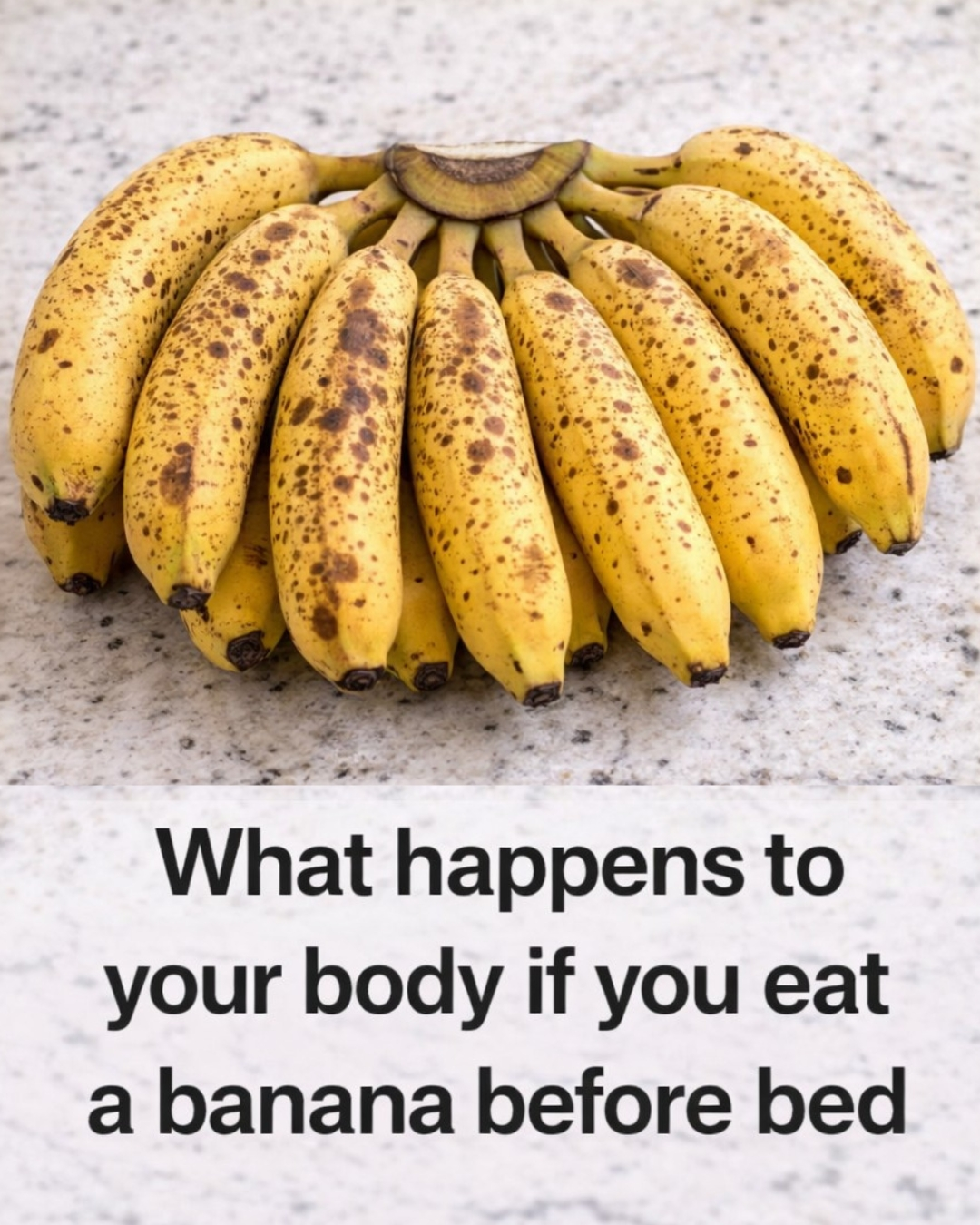
Eating a banana before bedtime is a simple habit many people enjoy. It’s quick, natural, and easy to digest. But does it actually do anything for your body while you sleep?
Bananas are more than just a convenient fruit. Known scientifically as Musa, they contain important nutrients that influence muscle function, digestion, nervous system balance, and even sleep regulation. In this article, we’ll explore what really happens in your body when you eat a banana before bed, including potential benefits and possible downsides.
While bananas are not a miracle cure for insomnia, they may support better rest when combined with healthy sleep habits.
Can Bananas Help You Sleep Better?
Many people reach for a banana at night because they’ve heard it promotes relaxation. There’s some science behind that idea.
Magnesium and Muscle Relaxation
Bananas contain magnesium, a mineral involved in hundreds of biochemical reactions in the body. Magnesium helps:
- Relax muscles
- Calm the nervous system
- Support a healthy sleep–wake cycle
- Regulate melatonin production
Melatonin is the hormone responsible for signaling your body that it’s time to sleep. If your diet is low in magnesium, you may experience more muscle tension or difficulty winding down at night.
Eating a banana 1–2 hours before bed may gently support relaxation, especially if you’re mildly deficient in magnesium.
Tryptophan and Sleep Hormones
Bananas also contain tryptophan, an essential amino acid. Your body converts tryptophan into serotonin, and then into melatonin.
Serotonin helps stabilize mood and promotes a sense of calm. Melatonin helps regulate your sleep cycle. While bananas don’t contain extremely high amounts of tryptophan, the combination of nutrients may contribute to better sleep quality when eaten regularly.
Potassium and Nighttime Muscle Comfort
Potassium is another key nutrient found in bananas. It helps:
- Regulate muscle contractions
- Maintain electrolyte balance
- Reduce the risk of nighttime muscle cramps
If you’ve ever woken up due to leg cramps, low potassium could be a contributing factor. A banana in the evening may help support proper muscle function overnight.
Carbohydrates and Fiber: Why Timing Matters
Bananas contain natural carbohydrates and fiber, which also influence how your body reacts before bed.
Carbohydrates Help Tryptophan Reach the Brain
Carbohydrates trigger a small release of insulin. This helps tryptophan move more easily into the brain, where it can be converted into serotonin and melatonin.
This is one reason pairing carbohydrates with sleep-supporting nutrients can be helpful at night.
Fiber Promotes Satiety
Bananas contain soluble fiber and resistant starch. Fiber:
- Helps you feel full
- Slows digestion
- Prevents late-night hunger
If you tend to wake up hungry during the night, a banana may help stabilize your appetite without the heaviness of a large meal.
Digestive Effects of Eating a Banana at Night
Your digestive system doesn’t completely shut down while you sleep. What you eat before bed can influence comfort levels overnight.
Prebiotic Support for Gut Health
Bananas contain resistant starch and soluble fiber that act as prebiotics. Prebiotics feed beneficial gut bacteria.
A healthy gut microbiome can:
- Improve digestion
- Reduce bloating
- Support immune function
- Contribute to better sleep quality
Poor digestion can interfere with restful sleep. A light, fiber-rich fruit like a banana may be easier to tolerate than heavy or fatty foods at night.
Gentle on the Stomach (For Most People)
Bananas are generally easy to digest. For many individuals, they don’t cause acid reflux or stomach discomfort when eaten in moderation.
However, digestion varies from person to person, which leads us to potential downsides.
Blood Pressure and Heart Support Overnight
Bananas are well known for their potassium content. Potassium helps counterbalance sodium in the body and supports healthy blood pressure levels.
At night, your body naturally shifts into repair and recovery mode. Supporting electrolyte balance may help:
- Maintain normal heart rhythm
- Support healthy blood pressure
- Prevent muscle tension
While one banana won’t dramatically change cardiovascular health, consistent potassium intake is important for long-term wellness.
Feeling Calm and Satisfied Before Sleep
Late-night snacking is common. Many people crave sweets or heavy comfort foods in the evening.
A banana can:
- Satisfy sweet cravings naturally
- Provide mild energy without overstimulation
- Prevent overeating later
Because it’s relatively low in calories but still filling, it can help you feel satisfied without disrupting sleep the way heavy meals might.
Possible Downsides of Eating a Banana Before Bed
Bananas are generally safe, but there are a few considerations.
Digestive Sensitivity
Some people experience:
- Mild bloating
- Gas
- Stomach discomfort
This is more likely if you eat the banana immediately before lying down or if you have a sensitive digestive system.
Blood Sugar Response
Bananas contain natural sugars such as glucose and fructose. Eating one right before bed, especially on an empty stomach, may cause a mild rise in blood sugar.
For most healthy individuals, this is not harmful. However, people managing blood sugar concerns should monitor their response and consider pairing the banana with protein or healthy fats.
Not a Replacement for Good Sleep Habits
A banana cannot compensate for:
- Irregular sleep schedules
- Excessive screen time at night
- High caffeine intake
- Stress
It works best as part of a balanced evening routine.
When Is the Best Time to Eat a Banana Before Bed?
Timing matters.
Eating a banana about 60–90 minutes before bedtime allows your body to:
- Begin digestion
- Absorb nutrients
- Avoid lying down on a full stomach
This window supports relaxation without causing digestive discomfort.
Tips for Best Results
To maximize benefits, consider these practical tips:
- Eat your banana 1 to 2 hours before sleep, not immediately before lying down.
- Pair it with a small source of protein or healthy fat such as a handful of nuts or a spoon of natural peanut butter.
- Choose a ripe but not overripe banana to avoid excess sugar spikes.
- Avoid combining it with heavy desserts or large meals.
- Maintain a consistent bedtime routine.
- Dim lights and reduce screen exposure in the evening.
- Stay hydrated throughout the day to support electrolyte balance.
- If you experience bloating, try half a banana instead of a whole one.
Consistency is more important than a single serving.
Frequently Asked Questions
Is it good to eat a banana every night before bed?
For most healthy people, yes. A banana can be a light, nutrient-rich evening snack. However, balance and variety in your diet are still important.
Can bananas cure insomnia?
No. Bananas may support relaxation due to magnesium and tryptophan, but they are not a medical treatment for sleep disorders.
Will eating a banana at night cause weight gain?
Eating one banana as part of your daily calorie needs will not automatically cause weight gain. Portion control and overall diet matter more than timing alone.
Are bananas safe for people with blood sugar concerns?
Many people can enjoy bananas in moderation. Pairing them with protein or healthy fats can help stabilize blood sugar response. If you have specific medical concerns, consult a healthcare professional.
Is it better to eat a banana alone or with something else?
Pairing it with nuts, seeds, or yogurt may help balance blood sugar and improve satiety.
Final Thoughts
Eating a banana before bed is not a magic solution for perfect sleep, but it can support your body in gentle, natural ways. The combination of magnesium, potassium, tryptophan, fiber, and carbohydrates may promote relaxation, muscle comfort, digestive ease, and nighttime satisfaction.
When included as part of a healthy evening routine — along with consistent sleep habits and balanced nutrition — a simple banana can be a small but helpful addition to your nighttime wellness strategy.