

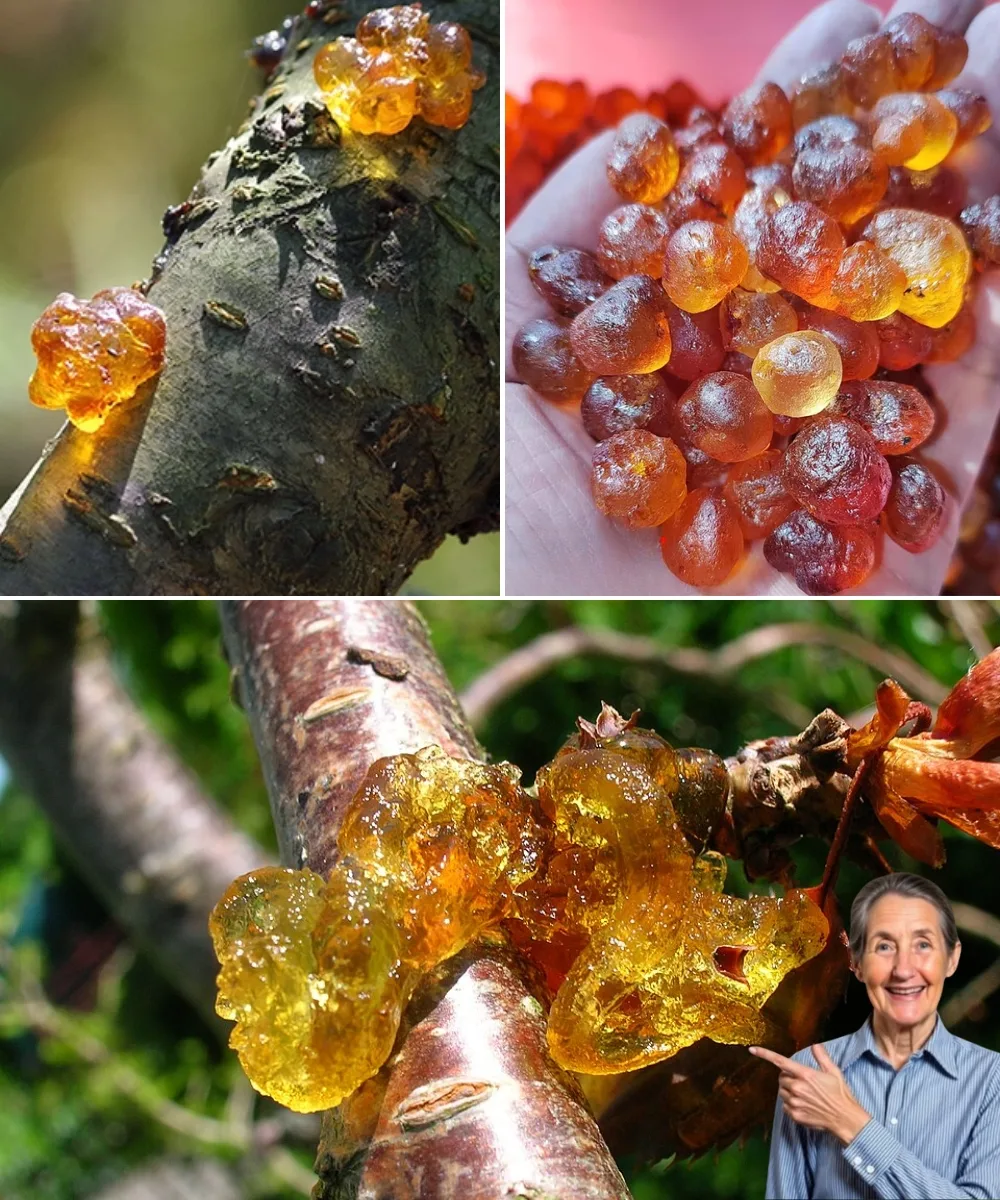
For centuries, people in traditional East Asian wellness practices have used peach tree resin as both a delicacy and a soothing ingredient in sweet soups and herbal-style desserts. Often known as Tao Jiao, this golden resin forms naturally on the bark of peach trees and transforms into a soft, jelly-like texture after soaking.
Many people are drawn to peach tree resin because of its mild taste, unique texture, and traditional reputation for supporting skin hydration, digestion, and overall wellness. While modern interest in natural foods continues to grow, it is important to separate traditional wellness claims from proven medical facts.
Peach tree resin is not a miracle cure, but it can be an interesting addition to a balanced diet when used safely and moderately.
What Is Peach Tree Resin?
Peach tree resin is a natural sap-like substance that hardens on the bark of peach trees.
Traditional Name
It is commonly known as:
- Tao Jiao
- Peach gum
- Peach resin
After soaking in water, the hardened resin becomes soft, translucent, and jelly-like.
Why People Use Peach Tree Resin
Traditionally, peach resin has been included in wellness recipes because of its texture and plant compounds.
Common Reasons People Enjoy It
People often use it for:
- Sweet soups
- Herbal desserts
- Hydration-focused recipes
- Traditional beauty foods
- Light wellness drinks
Its mild flavor makes it easy to combine with fruits, herbs, and plant-based ingredients.
Potential Wellness Benefits of Peach Tree Resin
Although many traditional claims exist, scientific research on peach resin remains limited. Most benefits are based on traditional use and general nutritional properties rather than strong medical evidence.
May Support Skin Hydration
Many people associate peach resin with skin-focused wellness recipes.
Why It’s Popular in Beauty Foods
Its jelly-like texture and hydrating nature make it popular in recipes focused on:
- Skin moisture
- Soft-looking skin
- Overall skin wellness
However, no food alone can dramatically reverse aging or replace skincare and healthy habits.
May Help Support Hydration
After soaking, peach resin absorbs large amounts of water.
Hydration Benefits
Hydration plays an important role in:
- Energy levels
- Digestion
- Skin appearance
- Overall body function
Recipes containing peach resin are often enjoyed chilled during warmer weather.
May Support Digestive Comfort
Some people find the soft texture gentle on the stomach.
Traditional Digestive Uses
It has traditionally been used in light desserts and soups intended to feel soothing after meals.
May Contain Antioxidant Compounds
Plant-based foods often contain antioxidants that help protect cells from oxidative stress.
Why Antioxidants Matter
Antioxidants may help support:
- General wellness
- Healthy aging
- Cellular protection
Still, peach resin should be viewed as one small part of a healthy lifestyle.
May Support Relaxation
Warm peach resin desserts are sometimes included in calming evening routines.
Comfort Foods and Relaxation
Warm, lightly sweetened recipes may help create:
- Relaxing routines
- Comfort before bed
- Gentle nighttime rituals
Traditional Uses in Women’s Wellness
In some traditional wellness systems, peach resin is included in beauty-focused recipes for women.
Traditional Focus Areas
These recipes often emphasize:
- Skin support
- Hydration
- Balance
- Gentle nourishment
How to Prepare Peach Tree Resin
Preparation is important because dried peach resin is very hard before soaking.
Ingredients
- 1 tablespoon dried peach tree resin
- 2 cups water
Optional Add-Ins
You can also add:
- Honey
- Coconut milk
- Red dates
- Goji berries
- Rock sugar
Step 1: Soak the Resin
Place the dried resin in a bowl of water.
Soaking Time
Let it soak for 10 to 12 hours or overnight.
The resin will expand and soften significantly.
Step 2: Clean the Resin
After soaking, rinse thoroughly.
Remove Impurities
Check for:
- Hard pieces
- Dark particles
- Bark residue
Proper cleaning is important before cooking.
Step 3: Cook the Resin
Add the softened resin to a pot with water.
Simmer Gently
Cook for about 20 to 30 minutes over low heat.
The texture becomes soft and jelly-like.
Step 4: Customize the Flavor
You can create different recipes depending on your preference.
Sweet Peach Resin Soup
Add:
- Goji berries
- Red dates
- Rock sugar
for a traditional-style dessert soup.
Creamy Peach Resin Drink
Mix with:
- Coconut milk
- Almond milk
- Honey
for a richer dessert-style beverage.
Smoothie Addition
Cooked peach resin can also be blended into smoothies for texture.
Tips for the Best Peach Resin Recipes
Soak Overnight
Long soaking helps soften the resin fully.
Clean Carefully
Removing impurities improves texture and safety.
Avoid Excess Sweeteners
Too much sugar can reduce the overall nutritional balance of the recipe.
Serve Warm or Cold
Peach resin works well both chilled and warm.
Important Precautions
Although peach tree resin is a natural ingredient, it may not be suitable for everyone.
Speak with a Healthcare Professional If You
- Have food allergies
- Are pregnant or breastfeeding
- Have digestive disorders
- Take medications regularly
Natural foods can still cause reactions or digestive discomfort in some individuals.
Avoid Extreme Health Claims
Peach tree resin is not proven to:
- Cure diseases
- Reverse aging completely
- Replace medical treatments
Healthy habits such as balanced nutrition, hydration, sleep, movement, and proper medical care remain essential.
Why Traditional Foods Continue to Interest People
Many traditional ingredients remain popular because they encourage slower, more mindful eating habits.
Simple Wellness Habits Matter
People often enjoy traditional foods because they feel:
- Comforting
- Nourishing
- Familiar
- Relaxing
These experiences can become meaningful parts of daily routines.
Final Thoughts
Peach tree resin is an ancient traditional ingredient that continues to attract attention because of its unique texture, mild flavor, and long history in wellness-focused recipes. Whether enjoyed in sweet soups, drinks, or desserts, it offers a simple way to explore traditional food culture while adding variety to your meals.
While many claims surrounding peach resin are based on traditional practices rather than strong scientific evidence, it can still be enjoyed as part of a balanced lifestyle when prepared safely and used in moderation.
FAQs
What does peach tree resin taste like?
It has a very mild flavor and mainly absorbs the taste of the ingredients cooked with it.
Is peach resin the same as peach gum?
Yes. Peach gum and peach tree resin usually refer to the same ingredient.
How long should I soak peach resin?
Most recipes recommend soaking it for 10 to 12 hours.
Can I eat peach resin every day?
Moderation is recommended, and it is best to consult a healthcare professional if unsure.
Is peach resin scientifically proven to cure diseases?
No. It should not replace professional medical care or treatments.
Can I serve peach resin cold?
Yes. Many people enjoy it chilled in sweet dessert soups.
What ingredients pair well with peach resin?
Goji berries, coconut milk, honey, red dates, and almond milk are popular additions.
Is peach resin safe for everyone?
Not necessarily. People with allergies or certain health conditions should consult a healthcare professional before trying it.