
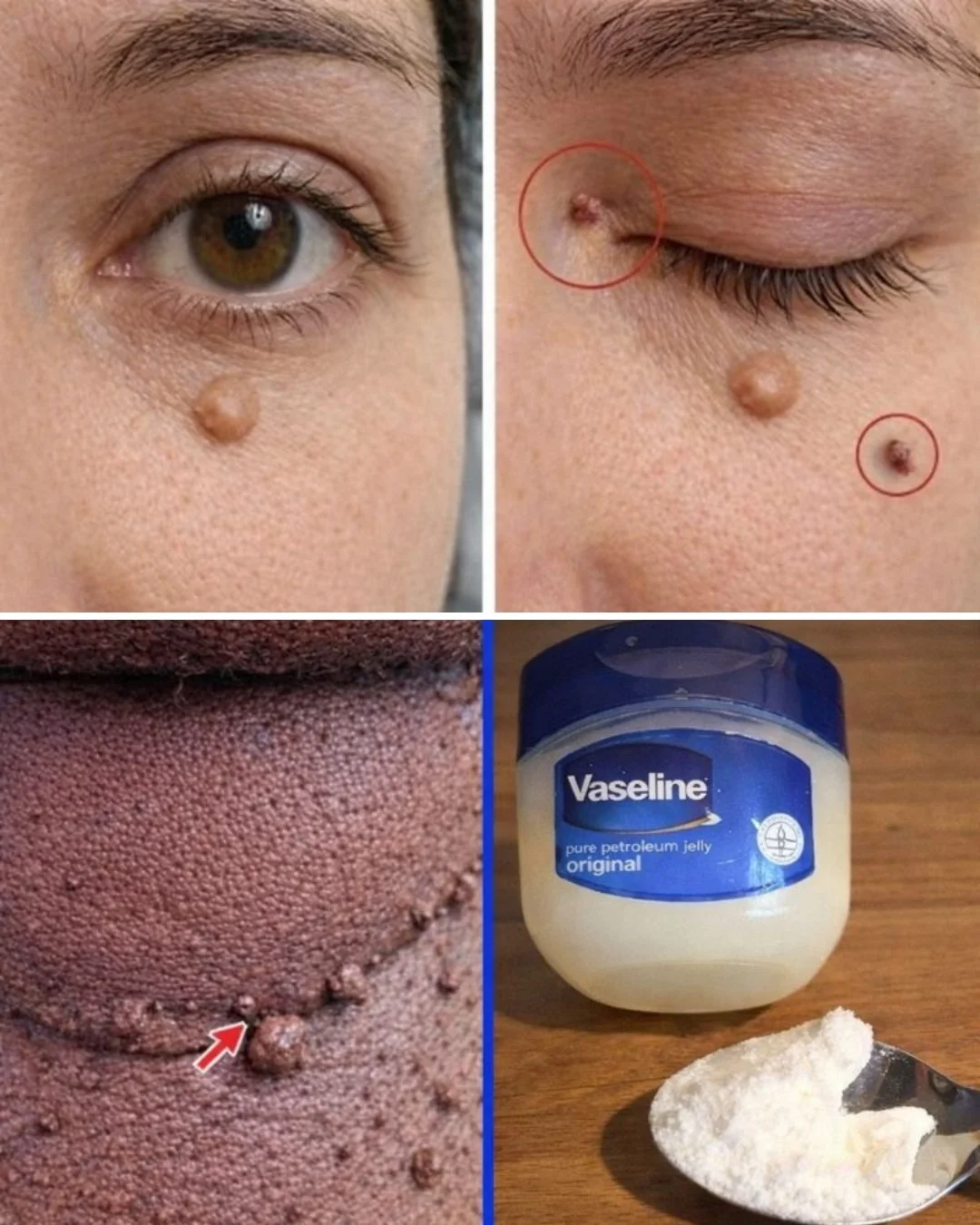
If you have ever leaned close to the mirror and noticed tiny, firm white bumps on your face, especially around the eyes, cheeks, or forehead, you are far from alone. These small, pearl-like spots often look harmless, yet they can be incredibly frustrating. They do not behave like pimples, they refuse to pop, and no matter how many products you try, they seem determined to stay. For many people, especially after the age of 30 when skin renewal naturally slows, these bumps can affect confidence, makeup application, and overall satisfaction with their skin.
The reassuring news is that these bumps, called milia, are completely harmless. Even better, with the right knowledge and a gentle, consistent approach, many people notice smoother-looking skin and fewer new bumps over time. Understanding what milia really are is the first and most important step toward improving your skin’s appearance safely.
Understanding the Difference Between Milia and Acne
At first glance, milia can look like tiny whiteheads or closed pimples. This is why so many people treat them as acne and end up disappointed or irritated. The key difference lies in what is happening under the skin.
Acne forms when pores become clogged with oil, bacteria, and inflammation. Milia, on the other hand, are small cysts filled with keratin. Keratin is a strong protein that naturally exists in your hair, nails, and outer layer of skin. When dead skin cells do not shed properly, keratin becomes trapped just beneath the surface, forming those hard, white bumps.
This distinction matters more than most people realize. Traditional acne treatments, such as harsh scrubs, drying cleansers, or strong spot treatments, do not dissolve keratin cysts. Instead, they often irritate the surrounding skin, leading to redness, dryness, or even tiny scars. Many dermatologists emphasize that once people understand milia are not acne, they stop over-treating their skin and start seeing better results.
Why Milia Become More Noticeable With Age
As skin matures, its natural renewal process slows down. In younger skin, dead cells shed more quickly. Over time, that turnover rate decreases, allowing keratin to accumulate more easily. This is why many adults first notice milia in their late twenties, thirties, or beyond, even if they never struggled with them before.
In addition, lifestyle and skincare habits often change with age. Rich eye creams, heavier moisturizers, and increased sun exposure can all contribute to milia formation. When these factors combine with slower cell turnover, milia become more noticeable and longer-lasting.
What Milia Are and Why They Appear on the Face
Milia are tiny cysts that usually measure one to two millimeters. They are most commonly found on the face, particularly around the eyes, cheeks, nose, and forehead. The eye area is especially prone because the skin there is thinner, contains fewer oil glands, and renews itself more slowly than other areas of the face.
There are different types of milia. Primary milia appear on their own without an obvious cause and are common in both children and adults. Secondary milia develop after skin trauma, such as burns, blisters, sun damage, aggressive treatments, or even certain cosmetic procedures. There are also rarer forms, including clustered milia that appear on raised patches of skin or eruptive milia that show up suddenly in groups.
While milia may look stubborn, many cases gradually resolve on their own. Still, adopting supportive skincare habits can help improve the skin’s appearance more quickly and prevent new bumps from forming.
Why Popular Overnight Fixes Often Make Things Worse
Social media is filled with promises of instant results. From mixing petroleum jelly with sugar scrubs to using baking soda, lemon, or other home remedies, these viral hacks claim to remove milia overnight. Unfortunately, most of them are more harmful than helpful.
Petroleum jelly is extremely occlusive, meaning it seals the skin tightly. While this can be beneficial for certain conditions, it can trap keratin and dead skin cells, potentially encouraging new milia, especially around the delicate eye area. Abrasive scrubs can damage the skin barrier, disrupt its natural balance, and cause irritation. Ingredients like honey or ginger may feel soothing, but there is no strong evidence that they remove milia.
Dermatologists consistently warn that aggressive or unproven methods increase the risk of redness, prolonged irritation, and scarring. When it comes to milia, slow and gentle truly wins.
Building a Gentle Foundation for Smoother-Looking Skin
The most effective way to improve the appearance of milia focuses on encouraging healthy skin turnover without damaging the skin barrier. This approach requires patience, but it delivers better long-term results.
Chemical exfoliants are often recommended. Ingredients such as alpha hydroxy acids, including glycolic or lactic acid, help dissolve the bonds between dead skin cells so they shed more evenly. Beta hydroxy acids, like salicylic acid, can also support gentle exfoliation, especially for combination skin.
Retinoids are another cornerstone of milia-friendly routines. Over-the-counter retinol or adapalene promotes cell renewal and helps prevent keratin from becoming trapped. These products should be introduced slowly, starting a few times per week, to avoid irritation.
Moisturizing remains essential, but the type of moisturizer matters. Lightweight, non-comedogenic formulas hydrate without sealing the skin too heavily. Daily use of a broad-spectrum sunscreen with at least SPF 30 is equally important, as sun damage can trigger secondary milia and slow skin recovery.
Creating a Daily Routine That Supports Skin Texture
Consistency is more important than complexity. A simple, gentle routine can make a noticeable difference over time.
Start with a mild cleanser used morning and night to remove dirt and excess oil without stripping the skin. A warm compress applied for a few minutes can help soften the skin and support overall comfort, though it will not remove milia directly.
Apply exfoliating acids or retinoids in the evening, followed by a light moisturizer. In the morning, protect your skin with sunscreen. Most importantly, resist the urge to pick or squeeze milia. Dermatologists strongly caution against this, as it can lead to infection and permanent marks.
Visible improvements usually appear gradually over several weeks. Patience allows the skin to adjust and respond in a healthy way.
When Professional Care Makes Sense
Some milia simply do not budge with home care. In these cases, seeing a dermatologist is the safest option. Professionals can perform sterile manual extraction, gently removing the cyst contents without damaging the surrounding skin. The procedure is quick, with minimal discomfort and downtime.
In certain situations, dermatologists may also recommend chemical peels or other in-office treatments to support skin renewal. When performed by a qualified professional, these options are considered safe and effective.
Many people report feeling a renewed sense of confidence after professional treatment, particularly when milia cluster around the eyes where makeup tends to emphasize texture.
Long-Term Prevention and Realistic Expectations
Preventing milia focuses on protecting the skin and maintaining gentle renewal. Daily sun protection, avoiding heavy occlusive products around the eyes, and sticking to a consistent exfoliation routine all play a role. While no method guarantees milia will never return, these habits significantly reduce the chances.
It is also important to remember that milia are not a sign of poor hygiene or unhealthy skin. They are a common, normal condition that many people experience at different stages of life.
Helpful Tips for Managing Milia
Introduce new skincare products one at a time so you can monitor how your skin reacts.
Use exfoliating products sparingly, especially around the eyes.
Avoid thick, greasy creams unless specifically recommended by a professional.
Always remove makeup thoroughly at the end of the day.
Give products time to work before switching routines.
Frequently Asked Questions
What causes milia in adults?
In adults, milia often form due to trapped keratin caused by slower skin turnover, sun damage, heavy skincare products, or previous skin trauma. They are not caused by poor hygiene or diet.
Is it safe to remove milia at home?
Popping or squeezing milia at home is not recommended, as it can cause scarring or infection. Gentle exfoliation with retinoids or acids may help over time, but persistent milia should be treated by a dermatologist.
How long do milia usually last?
Milia can last from a few weeks to several months. Some resolve on their own, while others improve faster with consistent, gentle skincare or professional treatment.
Can milia come back after removal?
Yes, milia can return, especially if contributing factors like heavy products or sun exposure remain. Preventive skincare habits reduce the likelihood of recurrence.
Is this condition dangerous?
Milia are harmless and do not pose any health risk. Treatment is purely cosmetic and based on personal comfort and preference.
This article is intended for informational purposes only and does not replace professional medical advice. For personalized guidance, consult a qualified healthcare provider or dermatologist.