
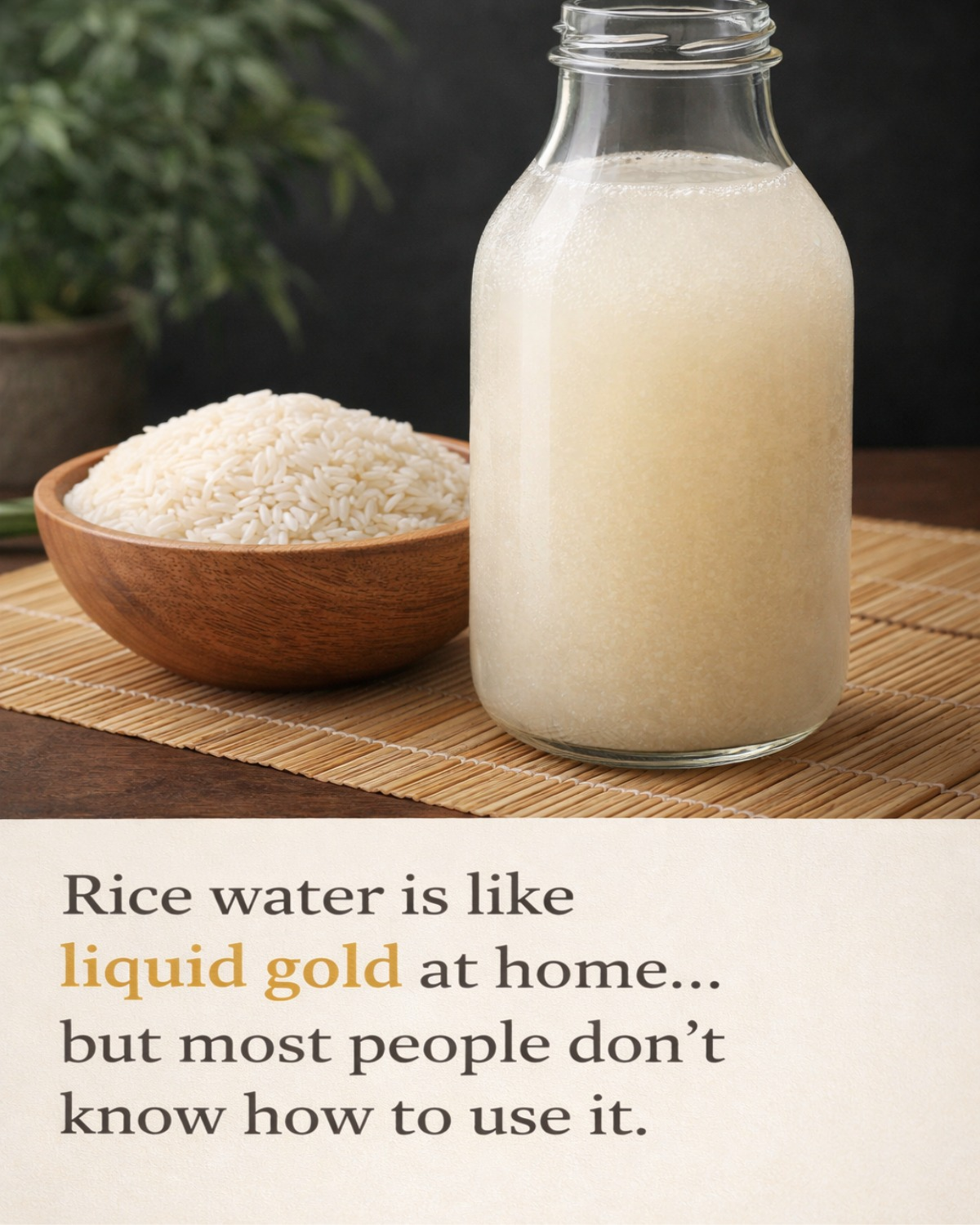
Every time you rinse rice before cooking, you pour away a cloudy, starchy liquid without a second thought. Yet for centuries, cultures across Asia have treasured rice water as a beauty ritual. Today, more people are rediscovering this simple, affordable tradition as a gentle way to support hair strength and skin radiance—especially as natural changes occur with age.
While rice water is not a miracle cure, it contains nutrients and plant compounds that may temporarily improve texture, smoothness, and overall appearance. If you’re looking for a low-cost, chemical-free addition to your routine, this ancient remedy might be worth exploring.
Let’s take a deeper look at how rice water works, how to prepare it properly, and the best ways to use it for both hair and skin.
Why Hair and Skin Change Over Time
As we age, subtle but noticeable shifts occur in our appearance.
Hair Changes
You may notice:
- Increased dryness
- More breakage
- Reduced shine
- Thinning strands
- Loss of elasticity
Hair fibers naturally weaken over time, and environmental stressors such as heat styling, sun exposure, and chemical treatments can add further strain.
Skin Changes
Skin may begin to show:
- Uneven tone
- Reduced elasticity
- Fine lines
- Dryness
- Dull texture
These changes are often linked to decreased collagen production, slower cell turnover, and environmental exposure.
This is where gentle, nourishing support can make a difference—and rice water offers a surprisingly simple option.
What Is Rice Water?
Rice water is the starchy liquid left behind after soaking or boiling rice. It contains trace amounts of:
- Amino acids
- B vitamins
- Vitamin E
- Ferulic acid (an antioxidant)
- Inositol (a carbohydrate linked to hair elasticity in some studies)
These compounds may coat hair strands temporarily, smooth cuticles, and provide mild conditioning benefits. For skin, the starchy layer can create a softening and soothing effect.
The Tradition Behind Rice Water
Rice water has long been used in East Asian beauty rituals. In particular, women from the Yao community in China have been known for their long, glossy hair, which they traditionally rinse with fermented rice water.
While modern scientific research is still developing, anecdotal reports and small studies suggest rice water may improve hair elasticity and reduce surface friction.
The key word here is “may.” Results vary, and consistency is essential.
How Rice Water May Benefit Your Hair
Smoother Texture
The starch in rice water can coat the hair shaft, helping reduce frizz and creating a smoother feel.
Temporary Strength Support
Inositol, found in rice water, has been studied for its potential to penetrate hair strands and support elasticity. This may help reduce breakage when used consistently.
Enhanced Shine
By smoothing the hair cuticle, rice water may allow strands to reflect light more effectively.
Improved Manageability
Many users report that their hair feels easier to detangle after rinsing with rice water.
How Rice Water May Support Skin
Gentle Toning Effect
Rice water can act as a mild, natural toner. When applied with a cotton pad, it may help refine the look of pores.
Temporary Hydration Boost
The starchy layer may help lock in moisture briefly, leaving skin feeling soft.
Soothing Sensation
Rice water has traditionally been used to calm irritated or sensitive skin.
Subtle Brightening Appearance
Some people notice a refreshed, more even look with regular use.
Ways Rice Water May Enhance Your Hair and Skin
Let’s explore potential benefits enthusiasts often notice.
8. Gentle Cleansing Support
Rice water can help remove light buildup without harsh ingredients.
7. Temporary Moisture Lock
The starch may create a light barrier that helps retain hydration.
6. Softer Skin Texture
Used as a toner, it may leave skin feeling smoother.
5. Added Shine
Hair may appear glossier after consistent rinses.
4. Antioxidant Presence
Ferulic acid may help combat environmental stressors.
3. Reduced Frizz Appearance
Coated strands often look more polished.
2. Elasticity Support
Some studies suggest rice water may improve hair flexibility temporarily.
1. Renewed Confidence
The greatest benefit may be how you feel seeing a healthier glow in the mirror.
How to Prepare Rice Water at Home
There are two main methods: plain soak and fermented version.
Plain Rice Water Method
Ingredients
- ½ cup uncooked rice (white or brown)
- 2–3 cups water
Steps
- Rinse rice briefly and discard that water.
- Add fresh water and soak rice for 30 minutes.
- Stir gently.
- Strain the liquid into a clean container.
This version is mild and ideal for beginners.
Fermented Rice Water Method
Fermentation may increase antioxidant levels.
Steps
- Follow the soaking method above.
- After straining, leave the liquid at room temperature for 24–48 hours.
- Once it develops a slightly tangy scent, refrigerate.
Fermented rice water is stronger and should be diluted before use.
How to Use Rice Water for Hair
As a Hair Rinse
- Shampoo as usual.
- Pour rice water over your hair.
- Massage into scalp and strands.
- Leave on for 5–20 minutes.
- Rinse thoroughly with warm water.
Use 1–2 times per week.
How to Use Rice Water for Skin
As a Toner
- Cleanse your face.
- Dip a cotton pad in rice water.
- Gently apply to skin.
- Let air dry.
Use a few times per week.
Storage Guidelines
- Refrigerate rice water.
- Use within 3–5 days (plain version).
- Fermented version may last up to 1 week refrigerated.
Always discard if odor becomes unpleasant.
Tips for Best Results
- Start with plain rice water before trying fermented.
- Dilute fermented rice water to avoid buildup.
- Always rinse hair thoroughly.
- Patch test before applying to skin.
- Avoid daily use to prevent protein overload.
- Follow with conditioner if hair feels stiff.
- Choose organic rice when possible.
- Be patient—results often appear gradually.
Consistency matters more than frequency.
Addressing Common Concerns
Does rice water smell bad?
Plain rice water has a mild scent. Fermented rice water can smell tangy, but rinsing thoroughly helps minimize lingering odor.
Will it cause buildup?
Using rice water too frequently may cause stiffness. Limit use to once or twice weekly.
Is there scientific proof?
Some small studies suggest improvements in hair elasticity and reduced friction, but more research is needed.
Rice Water vs. Commercial Products
Rice water is:
- Affordable
- Minimal in ingredients
- Free from synthetic fragrances
- Gentle for many users
However, it does not replace specialized treatments for medical scalp or skin conditions.
Why This Simple Ritual Feels Empowering
There’s something satisfying about turning a kitchen byproduct into a beauty ritual. Rice water represents simplicity—no complicated formulas, no expensive packaging, just a natural approach passed down through generations.
While it won’t reverse aging or dramatically transform your appearance overnight, it may support smoother hair and softer skin when used consistently.
Sometimes, small habits create noticeable shifts.
Frequently Asked Questions
How often should I use rice water on my hair?
Once or twice per week is typically sufficient. Overuse may cause stiffness.
Can rice water help hair grow faster?
There is no strong scientific evidence that it speeds growth, but healthier strands may reduce breakage, helping hair appear longer over time.
Is fermented rice water better?
Fermented versions may contain higher antioxidant levels, but they are stronger and should be diluted.
Can I leave rice water in my hair overnight?
It’s not recommended. Extended exposure may lead to dryness or buildup.
Is rice water safe for sensitive skin?
Many people tolerate it well, but always patch test first.
Can I add essential oils?
Yes, a drop of lavender or rosemary oil can improve scent—but use sparingly and dilute properly.
Final Thoughts
Rice water is a simple, time-honored beauty ritual that may support smoother hair and softer skin naturally. While not a replacement for professional treatments, it offers a gentle, affordable option for those seeking minimal, at-home care.
The next time you rinse rice, consider saving that cloudy liquid. With patience and consistency, you may notice subtle improvements—less frizz, more shine, smoother texture, and perhaps a renewed sense of confidence.
Sometimes, the hidden gold in your kitchen isn’t gold at all—it’s a humble bowl of rice water.