

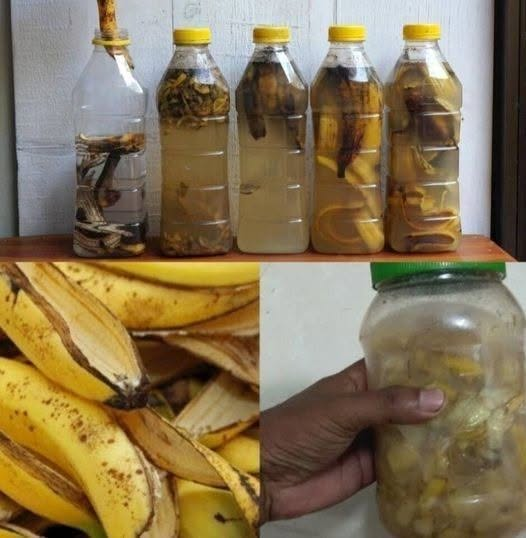
Have you ever thrown away a banana peel without thinking twice? You’re not alone. Most people enjoy the fruit and immediately toss the peel into the trash. However, those peels still contain valuable nutrients that can be reused around your home and garden instead of ending up in the garbage.
One of the easiest ways to recycle banana peels is by soaking them in water to create a simple homemade liquid fertilizer. This natural solution is inexpensive, environmentally friendly, and can provide nutrients that help support healthy plant growth.
If you’re looking for a simple gardening trick that reduces waste while giving your plants a boost, this banana peel water method is worth trying.
Why Banana Peels Are Useful
Banana peels are rich in several naturally occurring minerals that plants need for healthy development. While they shouldn’t replace a complete fertilizer for nutrient-demanding plants, they can be a helpful supplement in many home gardens.
Some of the nutrients found in banana peels include:
- Potassium
- Phosphorus
- Magnesium
- Calcium
- Small amounts of nitrogen
- Organic compounds that break down naturally
When banana peels soak in water for several days, a portion of these nutrients leaches into the liquid, creating a mild fertilizer that can be diluted and used around plants.
Benefits of Making Banana Peel Water
Instead of throwing banana peels away, you can turn kitchen scraps into something useful.
Some potential benefits include:
Reduces Household Waste
Using banana peels in the garden helps reduce food waste while giving organic materials a second life.
Supports Healthy Plant Growth
Potassium is one of the most important nutrients for flowering and fruiting plants. While banana peel water is not highly concentrated, it can contribute small amounts of potassium that support overall plant health.
Saves Money
Homemade banana peel fertilizer costs almost nothing to make and can reduce the need for some commercial plant feeds for ornamental plants and houseplants.
Eco-Friendly Gardening
Reusing food scraps is a sustainable gardening practice that keeps biodegradable waste out of landfills.
How to Make Banana Peel Water
This simple project requires only a few ingredients and takes just a few minutes to prepare.
Ingredients
- Peels from 2 to 3 ripe bananas
- 1 liter (4 cups) of clean water
- A clean glass jar or bottle with a lid
Instructions
- Wash the banana peels to remove any dirt or residue.
- Cut the peels into small pieces.
- Place the pieces inside the bottle or jar.
- Pour in the water until the peels are completely covered.
- Seal the container loosely and leave it at room temperature for 3 to 5 days.
- Shake the container gently once each day.
- After soaking, strain the liquid into another clean container.
Your homemade banana peel water is now ready to use.
What Happens During the Soaking Process?
As the peels sit in water, natural decomposition begins.
During this process:
Minerals Slowly Enter the Water
Some nutrients from the banana peel dissolve into the liquid, creating a mild nutrient solution suitable for garden use.
Organic Matter Softens
The peels begin to break down, making them perfect for composting afterward instead of throwing them away.
A Mild Fermentation May Occur
Depending on room temperature, the mixture may develop a slightly fermented smell. This is normal for decomposing organic material.
If the mixture develops mold or an extremely unpleasant odor, discard it and prepare a fresh batch.
How to Use Banana Peel Water
Watering Garden Plants
Before using the liquid, dilute it.
Mix:
- 1 part banana peel water
- 4 parts clean water
Pour the mixture around the base of plants once every one to two weeks.
This works well for:
- Flowering plants
- Tomatoes
- Peppers
- Roses
- Herbs
- Indoor houseplants
Foliar Spray
You can also spray diluted banana peel water onto plant leaves.
Make sure the liquid is thoroughly strained to prevent clogging the spray bottle.
Apply during the early morning or evening rather than under direct sunlight.
Compost Booster
Don’t throw away the soaked peels.
Add them directly to your compost pile where they’ll continue breaking down into nutrient-rich compost.
Which Plants May Benefit Most?
Many gardeners enjoy using banana peel water on:
Flowering Plants
Flowers often require extra potassium during blooming.
Examples include:
- Roses
- Hibiscus
- Geraniums
- Marigolds
Fruiting Vegetables
Plants that produce fruits may benefit from additional potassium during flowering and fruit development.
These include:
- Tomatoes
- Peppers
- Eggplants
Indoor Plants
Many common houseplants appreciate occasional feeding with diluted organic fertilizers.
Suitable examples include:
- Pothos
- Spider plants
- Peace lilies
- Philodendrons
Can Banana Peel Water Repel Pests?
Some gardeners believe banana peel water may discourage certain soft-bodied insects, such as aphids.
However, scientific evidence supporting this effect is limited.
For significant pest problems, it’s best to use proven integrated pest management methods rather than relying solely on banana peel water.
Common Mistakes to Avoid
To get the best results, avoid these common errors.
Using Undiluted Liquid
The soaked liquid should be diluted before use to avoid overloading plants with organic material.
Leaving the Mixture Too Long
If the peels sit for several weeks, the mixture may become overly fermented and unpleasant.
Fresh batches generally work best.
Using Moldy Peels
Discard any batch that develops excessive mold or contamination.
Overwatering Plants
Banana peel water should supplement normal watering—not replace proper watering practices.
Additional Ways to Reuse Banana Peels
Besides making liquid fertilizer, banana peels have several other household uses.
Composting
They break down quickly and enrich compost with organic matter.
Soil Amendment
Chopped peels can be buried near ornamental plants where they gradually decompose.
Worm Bins
Banana peels are an excellent food source for composting worms.
Tips for Best Results
- Use ripe banana peels for easier decomposition.
- Wash the peels before soaking if you’re concerned about surface residues.
- Always dilute the liquid before applying it to plants.
- Use fresh batches within one week for the best quality.
- Water plants at the soil level whenever possible.
- Store leftover fertilizer in the refrigerator if not using it immediately.
- Combine this method with compost and healthy soil practices for stronger plants.
- Continue regular watering and sunlight schedules, as fertilizer alone won’t solve poor growing conditions.
Frequently Asked Questions
Can banana peel water replace commercial fertilizer?
Not completely. Banana peel water provides only modest amounts of certain nutrients and works best as a supplement rather than a complete fertilizer.
How often should I use banana peel water?
Most plants can benefit from diluted banana peel water every one to two weeks during the growing season.
Can I use frozen banana peels?
Yes. Allow them to thaw before preparing the fertilizer.
Does banana peel water smell?
A mild fermented smell is normal after several days. Extremely foul odors may indicate the mixture has spoiled and should be discarded.
Is banana peel water safe for indoor plants?
Yes, when properly diluted and used in moderation.
What should I do with the leftover peels?
Add them to your compost pile or bury them in garden soil where they’ll continue decomposing naturally.
Can banana peel water be used on all plants?
Most ornamental plants, vegetables, and houseplants tolerate diluted banana peel water well. However, avoid overusing it on plants that require specialized nutrient balances.
Final Thoughts
Turning banana peels into homemade liquid fertilizer is one of the easiest ways to recycle kitchen waste while supporting your garden. Although banana peel water isn’t a miracle plant food or a replacement for balanced fertilizers, it can provide a gentle source of nutrients that many home gardeners enjoy using.
Combined with healthy soil, adequate sunlight, proper watering, and regular plant care, this simple DIY fertilizer can become a useful addition to your gardening routine. The next time you enjoy a banana, consider saving the peel instead of throwing it away—you might give your plants a little extra boost while helping reduce household waste at the same time.