

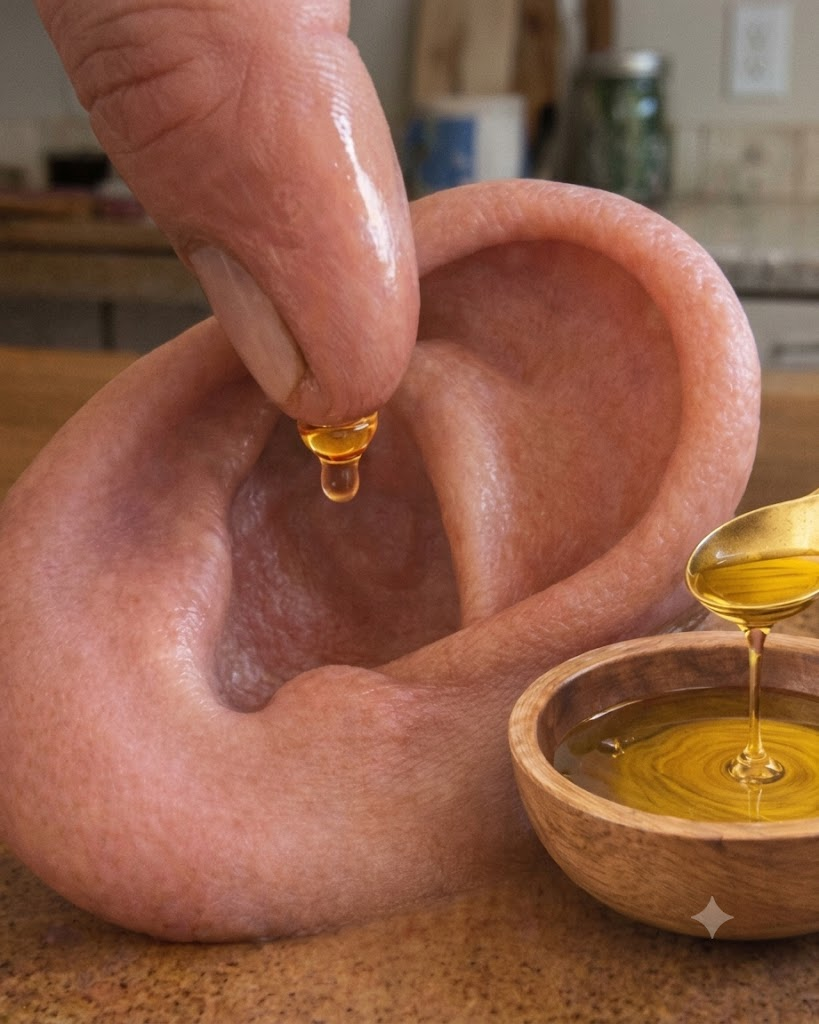
Ear pain can appear suddenly and make even simple daily activities difficult. Whether it feels like a sharp stab, dull ache, pressure, or throbbing sensation, an earache can interfere with sleep, concentration, and overall comfort. While many mild earaches improve on their own, they can still be frustrating while they last.
Fortunately, several gentle home remedies may help ease discomfort while your body recovers. These natural methods are designed to provide temporary comfort—they are not a cure for ear infections and should never replace professional medical treatment when it’s needed.
This guide explains why earaches happen, safe home remedies that may help relieve symptoms, important precautions, and when it’s time to see a healthcare provider.
What Causes Ear Pain?
Ear pain can develop for many different reasons. Some causes are relatively minor, while others require medical attention.
Common causes include:
- Middle ear infections
- Outer ear infections (swimmer’s ear)
- Colds and sinus infections
- Allergies
- Fluid buildup behind the eardrum
- Changes in air pressure
- Excess earwax
- Jaw problems (TMJ)
- Tooth infections
- Sore throat infections
Because ear pain has many possible causes, persistent or severe symptoms should always be evaluated by a healthcare professional.
Symptoms of an Earache
An earache may include one or more of the following:
- Sharp or dull ear pain
- Pressure inside the ear
- Throbbing discomfort
- Temporary hearing changes
- Ringing in the ear
- Itching
- Tenderness around the ear
- Difficulty sleeping
- Pain while chewing
Children may also become irritable, pull at their ears, cry more than usual, or have trouble sleeping.
Can Home Remedies Help?
For mild ear discomfort caused by congestion, pressure, or minor irritation, several home remedies may help reduce pain and improve comfort.
However, home remedies cannot cure bacterial ear infections. If symptoms continue or worsen, medical care is necessary.
Warm Compress
A warm compress is one of the simplest and safest home remedies for ear discomfort.
Gentle heat may help relax nearby muscles, improve circulation, and temporarily reduce the feeling of pressure.
How to Use
- Soak a clean washcloth in warm (not hot) water.
- Wring out the excess water.
- Fold the cloth.
- Hold it against the affected ear for 10–20 minutes.
- Repeat several times throughout the day.
Many people find warmth especially comforting before bedtime.
Garlic-Infused Olive Oil
Garlic has been used in traditional medicine for centuries. It contains natural sulfur compounds that have been studied for their antimicrobial and anti-inflammatory properties.
Although research is limited, some people use warm garlic-infused oil for temporary comfort.
Ingredients
- 2 fresh garlic cloves
- 2 tablespoons olive oil
Instructions
- Crush the garlic.
- Warm it gently with the olive oil over very low heat for 2–3 minutes.
- Do not boil.
- Strain out the garlic pieces.
- Allow the oil to cool until it is only lukewarm.
- Test the temperature on your wrist before use.
Important Safety Note
Never place oil or any liquid into the ear if:
- You have ear drainage.
- You suspect a ruptured eardrum.
- A healthcare provider has advised against ear drops.
If irritation occurs, stop using it immediately.
Diluted Apple Cider Vinegar
Apple cider vinegar contains acetic acid, which has shown antibacterial activity in laboratory studies.
Some people use diluted apple cider vinegar for mild outer ear irritation, particularly after swimming.
How to Prepare
Mix:
- Equal parts apple cider vinegar
- Equal parts clean, warm water
How to Use
Using a clean dropper:
- Apply a few drops only if the eardrum is intact.
- Lie on your side for several minutes.
- Allow the liquid to drain naturally.
If burning or irritation develops, discontinue use.
Onion Compress
An onion compress is another traditional home remedy passed down through generations.
While scientific evidence is limited, the warmth from the compress itself may provide soothing relief.
Instructions
- Chop one onion.
- Warm it slightly.
- Wrap it inside a thin, clean cloth.
- Place it gently over the painful ear for 10–15 minutes.
Always check the temperature first to avoid burns.
Salt Sock Compress
Warm salt has traditionally been used as a dry heat source.
How to Make It
You will need:
- 1 cup coarse salt
- A clean cotton sock
Instructions
- Heat the salt in a dry skillet for several minutes.
- Carefully pour it into the sock.
- Tie the end securely.
- Allow it to cool slightly.
- Hold against the ear for 10–15 minutes.
This provides gentle, long-lasting warmth.
Steam Inhalation
Ear pressure is often related to nasal congestion.
Breathing warm steam may help loosen mucus and improve drainage.
How to Try It
- Fill a bowl with hot (not boiling) water.
- Lean over carefully.
- Cover your head with a towel.
- Breathe the steam for 5–10 minutes.
Avoid getting too close to prevent burns.
Stay Hydrated
Drinking enough water helps keep mucus thin, making it easier for the Eustachian tubes to drain properly.
Warm herbal teas and clear soups may also feel soothing.
Rest and Sleep
Your immune system works best when you are well rested.
Try sleeping with your head slightly elevated to help reduce pressure inside the ear.
Over-the-Counter Pain Relief
If appropriate for you, non-prescription pain relievers such as acetaminophen or ibuprofen may help reduce discomfort.
Always follow package directions and consult your healthcare provider if you have medical conditions or take other medications.
Helpful Tips for Faster Comfort
A few simple habits may make recovery more comfortable:
- Keep the affected ear dry.
- Avoid inserting cotton swabs or other objects into the ear canal.
- Blow your nose gently.
- Wash your hands frequently to reduce the spread of infections.
- Avoid cigarette smoke, which can worsen ear irritation.
- Stay well hydrated.
- Eat nutritious foods that support your immune system.
- Get enough sleep each night.
What Not to Do
Avoid these common mistakes:
- Do not insert cotton swabs deep into the ear.
- Do not use candles marketed for ear cleaning.
- Do not pour oils into an ear with drainage or a suspected ruptured eardrum.
- Do not ignore severe pain or high fever.
- Do not delay medical care if symptoms continue to worsen.
When You Should See a Doctor
Home remedies are appropriate only for mild symptoms.
Seek medical care immediately if you experience:
- Severe ear pain
- Fever above 102°F (38.9°C)
- Pus or blood draining from the ear
- Sudden hearing loss
- Swelling around the ear
- Severe dizziness
- Symptoms lasting more than two to three days
- Pain following a head injury
Children younger than six months with ear pain should always be evaluated promptly.
Preventing Future Ear Problems
Simple preventive habits can reduce your risk of future ear discomfort.
- Dry your ears gently after swimming.
- Wear earplugs when swimming if recommended.
- Manage allergies effectively.
- Wash hands regularly.
- Avoid smoking and secondhand smoke.
- Stay current with recommended vaccinations.
- Practice good oral hygiene since dental infections can sometimes cause referred ear pain.
Frequently Asked Questions
Can an ear infection heal on its own?
Some mild viral ear infections improve without antibiotics. However, bacterial infections may require medical treatment. If symptoms persist or worsen, consult a healthcare provider.
Is a warm compress better than a cold compress?
Many people prefer a warm compress because it helps relax muscles and may ease pressure. Some individuals also find alternating warm and cool compresses comfortable.
Is garlic safe for ear infections?
Garlic has traditionally been used for ear discomfort, but scientific evidence is limited. Never place garlic or oil inside the ear if you suspect a ruptured eardrum or notice drainage.
Can I use apple cider vinegar in my ear?
Only diluted apple cider vinegar should ever be considered, and only for certain outer ear conditions if the eardrum is intact. It is not appropriate for every type of ear pain.
Should I use cotton swabs to clean my ears?
No. Cotton swabs can push wax deeper into the ear canal and may damage the eardrum.
When should I worry about ear pain?
Seek medical attention if pain is severe, accompanied by fever, swelling, hearing loss, drainage, dizziness, or if it lasts longer than a few days.
Final Thoughts
Earaches can be painful and disruptive, but many mild cases improve with time. Simple home remedies such as warm compresses, adequate rest, hydration, and gentle supportive care may help reduce discomfort while your body heals.
Remember that natural remedies are intended only for temporary symptom relief. They cannot replace professional diagnosis or treatment for ear infections, especially when symptoms are severe or persistent.
Listening to your body and seeking timely medical care when necessary is the safest approach to protecting your hearing and overall health.