
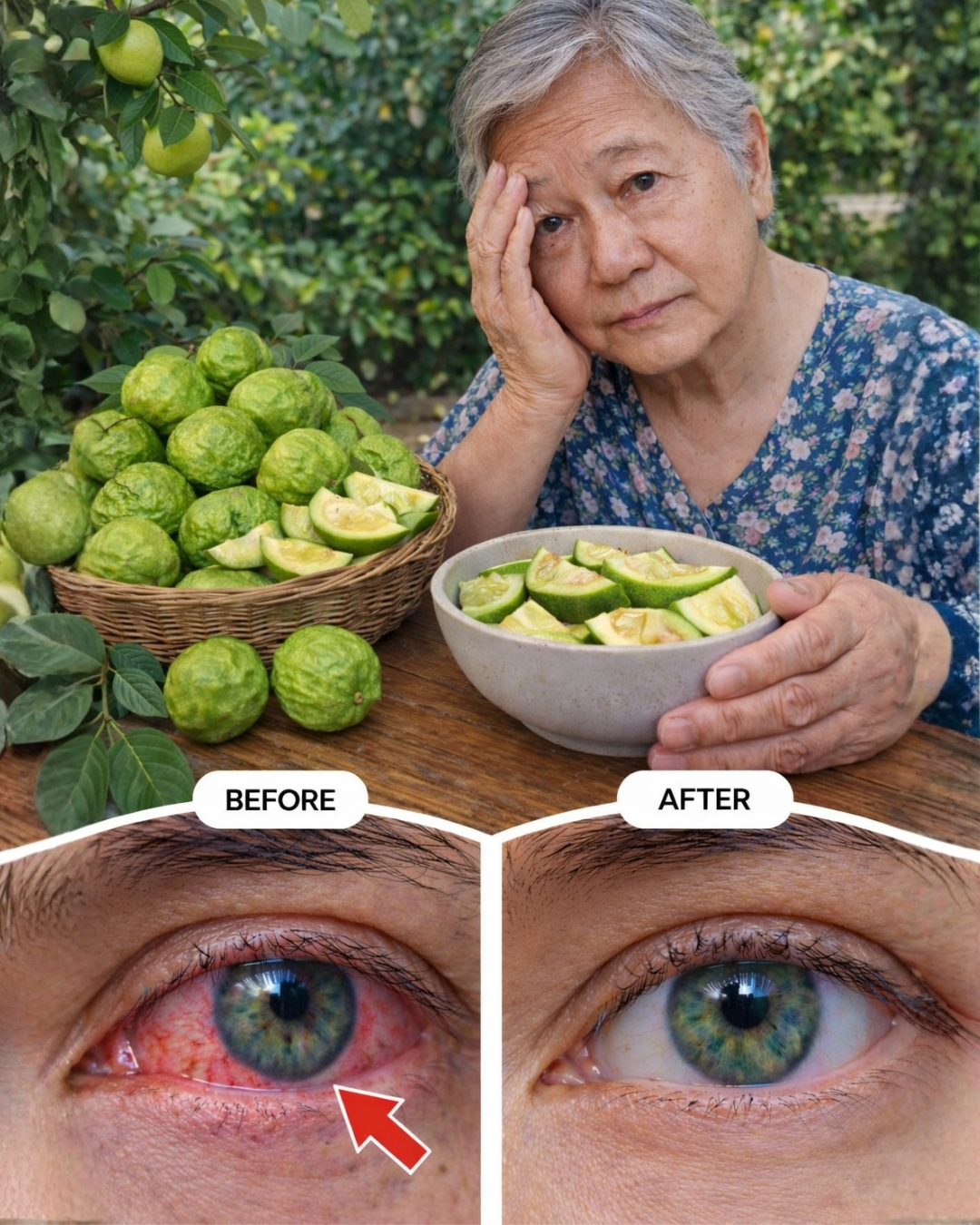
Eye strain has become part of daily life. Phones, computers, and artificial lighting push your eyes to work harder than ever before. You may notice dryness, blurred vision, or a heavy feeling around your eyes by the end of the day. While many people turn to supplements or eye drops, simple food-based habits can offer steady support over time.
One natural option that deserves attention is guava. This tropical fruit, along with its leaves, has a long history in traditional wellness practices. It contains vitamins, antioxidants, and plant compounds that support eye comfort and long-term vision health.
This guide breaks everything down in a simple way. You will learn why guava helps, how to use it at home, and how to turn it into a daily habit that supports your eyes naturally.
Why Guava Supports Eye Health
Vitamin A for Clear Vision
Guava provides vitamin A, which plays a key role in maintaining the retina. This nutrient helps your eyes adjust to low light and supports overall visual clarity. When your body lacks vitamin A, you may experience difficulty seeing in dim conditions or increased eye fatigue.
Eating guava regularly helps maintain steady support for your visual system without relying on synthetic supplements.
Antioxidants That Protect Eye Cells
Your eyes are constantly exposed to light and environmental stress. Over time, this creates oxidative damage. Guava contains vitamin C, carotenoids, and flavonoids that help neutralize these effects.
These antioxidants support long-term eye health by protecting delicate tissues from damage linked to aging.
Natural Anti-Inflammatory Compounds
Guava leaves contain plant compounds such as quercetin and polyphenols. These compounds help calm irritation and support overall eye comfort.
If your eyes often feel tired or sensitive after screen use, reducing internal inflammation can make a noticeable difference.
Gentle Antibacterial Properties
Traditional practices use guava leaves for their mild antibacterial effects. While this is not a replacement for medical treatment, it supports the idea that guava may help maintain overall eye hygiene when used properly.
Key Benefits of Using Guava for Eyes
Daily Support for Eye Function
Adding guava to your routine provides steady nourishment rather than quick fixes. Over time, this can help maintain comfort and clarity.
Helps Reduce Eye Fatigue
Many people experience tired eyes after long work hours. Guava-based remedies may help reduce this feeling by supporting hydration and circulation.
Supports Long-Term Eye Protection
Antioxidants in guava help protect against gradual wear and tear, especially from screen exposure and environmental stress.
Encourages Better Hydration
Proper hydration plays a major role in eye comfort. Guava and guava-based drinks contribute to your daily fluid intake.
Ingredients
For Daily Use
- 1–2 fresh ripe guavas
For Guava Leaf Tea
- 4–5 fresh guava leaves
- 2 cups water
- Optional: honey or lemon
For Eye Compress
- A handful of guava leaves
- Clean cloth
For Guava Juice
- 2 ripe guavas
- 1 cup water
- Optional: lime juice or honey
Instructions
Eating Fresh Guava Daily
Simple Method
Wash the fruit well. Slice and eat it as a snack, or add it to your meals.
Best Practice
Eat 1–2 guavas per day. Keep the skin if possible, as it contains extra nutrients.
Preparing Guava Leaf Tea
Step-by-Step
Wash the leaves thoroughly to remove dirt.
Add them to a pot with water.
Boil for 10–12 minutes.
Strain the liquid into a cup.
Add honey or lemon if desired.
How to Use
Drink warm once a day, especially in the morning or afternoon.
Making a Guava Leaf Compress
Preparation
Boil several leaves in water for about 10 minutes.
Allow the liquid to cool until warm, not hot.
Application
Soak a clean cloth in the liquid.
Place it gently over closed eyes.
Leave it for 10–15 minutes.
When to Use
Use after long screen sessions or when your eyes feel tired.
Preparing Fresh Guava Juice
Steps
Wash and cut the guavas into pieces.
Add them to a blender with water.
Blend until smooth.
Strain if you prefer a smoother texture.
Serving
Drink immediately to preserve nutrients.
Adding Guava Leaves to Herbal Infusions
Simple Method
Dry guava leaves and store them.
Add a few leaves to your regular herbal tea.
Benefit
This supports overall wellness, which indirectly helps eye health.
Pro Tips and Variations
Choose Ripe but Firm Fruit
Ripe guava has better flavor and higher nutrient content. Avoid overly soft fruit.
Combine with Other Eye-Friendly Foods
Pair guava with carrots, spinach, or citrus fruits for added benefits.
Keep It Consistent
Small daily habits work better than occasional use. Aim for regular intake.
Use Fresh Leaves When Possible
Fresh guava leaves provide stronger flavor and active compounds.
Stay Hydrated
Drink enough water throughout the day. Hydration supports tear production and eye comfort.
Avoid Overuse
Moderation is important. Too much of anything can cause imbalance.
Additional Lifestyle Support for Eye Health
Reduce Screen Strain
Follow the 20-20-20 rule: every 20 minutes, look at something 20 feet away for 20 seconds.
Improve Lighting
Use proper lighting when reading or working to reduce strain.
Eat a Balanced Diet
Include fruits, vegetables, and healthy fats to support overall eye health.
Protect Your Eyes Outdoors
Wear sunglasses to reduce exposure to harsh sunlight.
Get Enough Sleep
Rest allows your eyes to recover from daily stress.
Safety Notes
Natural remedies can support your routine, but they are not a replacement for medical care.
Avoid applying anything directly into your eyes without professional advice.
If you experience pain, vision loss, or severe irritation, seek medical attention immediately.
Pregnant individuals or those with health conditions should consult a professional before using herbal remedies regularly.
Conclusion
Guava offers a simple, natural way to support your eyes. It combines essential nutrients, antioxidants, and plant compounds that work together to protect and nourish your vision.
You do not need complicated routines or expensive products. A daily habit like eating fresh guava, drinking leaf tea, or using a warm compress can bring steady, noticeable comfort over time.
Consistency is the key. Small steps taken every day can lead to long-term results that feel natural and sustainable.
FAQs
Can guava improve eyesight quickly?
No. Guava supports eye health gradually. It works best as part of a long-term routine.
Is it safe to use guava leaf compress daily?
Yes, if prepared cleanly and used gently. Do not apply hot liquid or place anything inside the eyes.
How often should I drink guava leaf tea?
Once a day is enough for most people. You can adjust based on your comfort.
Can children use these remedies?
Children can eat guava safely, but herbal remedies should be used with care. Consult a professional if unsure.
Does guava replace eye supplements?
No. It can support your diet but should not replace prescribed treatments or supplements.
What is the best way to get benefits from guava?
Eating fresh guava regularly is the simplest and most effective method.
Can I store guava juice?
Fresh juice is best consumed immediately. If needed, store it in the fridge for up to 24 hours.