
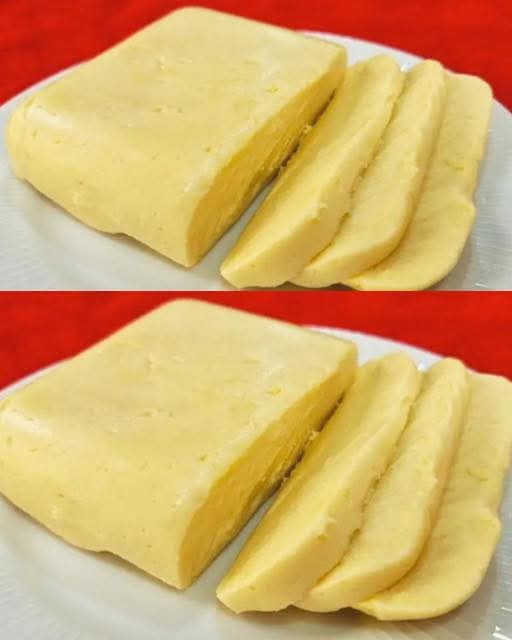
Making homemade vegan mozzarella cheese might sound complicated, but this recipe proves just how simple and rewarding it can be. With a handful of accessible ingredients and one saucepan, you can create a soft, sliceable, and meltable plant-based mozzarella that works beautifully on pizza, sandwiches, lasagna, grilled cheese, and more.
Unlike store-bought vegan cheeses that often rely on heavy processing or hard-to-find ingredients, this recipe uses common starches, plant milk, and agar-agar to achieve a realistic mozzarella-style texture. The result is a cheese that firms up in the fridge, slices cleanly, grates easily, and melts when heated—all without dairy, nuts, or soy isolates.
Why This Vegan Mozzarella Recipe Works
Traditional mozzarella relies on milk proteins and fat to create stretch and melt. In this vegan version, starches and agar-agar work together to mimic those properties:
- Tapioca starch provides stretch and elasticity
- Cornstarch adds body and smoothness
- Agar-agar allows the cheese to set firmly when chilled
- Oil replaces dairy fat for richness and melt
- Acid creates the characteristic mozzarella tang
When blended and cooked properly, these ingredients transform into a glossy, elastic paste that firms up into a sliceable cheese once cooled. The method is simple, but timing and technique make all the difference.
Ingredient Breakdown and Their Roles
Base Ingredients
Unsweetened soy milk or oat milk
These provide the liquid base. Unsweetened is essential to avoid unwanted sweetness. Soy milk offers a slightly firmer texture, while oat milk creates a softer, creamier result.
Tapioca starch (tapioca flour)
This is the key ingredient for stretch and melt. Tapioca starch gives the cheese its signature elasticity when heated.
Cornstarch
Cornstarch adds stability and smoothness, preventing the cheese from becoming too rubbery or overly stretchy.
Agar-agar powder
Agar is a plant-based gelling agent derived from seaweed. It allows the cheese to firm up into a solid block when chilled. Powdered agar (not flakes) is required for accurate results.
Fat and Flavor
Neutral oil (sunflower, canola, or refined coconut oil)
Oil provides richness and improves melting. Refined coconut oil works well if you want a slightly firmer texture without coconut flavor.
Nutritional yeast
This adds a mild, savory, cheese-like flavor and depth without overpowering the mozzarella profile.
Acidity and Seasoning
Lemon juice or apple cider vinegar
Acidity is essential for authentic mozzarella flavor. It balances richness and gives a fresh dairy-like tang.
Salt
Salt enhances all flavors and brings the cheese together. Adjust to taste.
Optional Flavor Enhancers
Garlic powder and onion powder
These add subtle savory notes without turning the cheese into a garlic spread.
Lactic acid (optional)
Lactic acid provides a realistic dairy tang and is often used in professional vegan cheese recipes. A small pinch goes a long way.
Step-by-Step Process Explained
1. Preparing the Mold
Lightly oiling the container prevents sticking and ensures clean removal. A rectangular mold makes the cheese easy to slice later.
2. Blending the Ingredients
Blending everything thoroughly before heating is critical. This step ensures:
- No starch clumps
- Even distribution of agar
- A smooth final texture
Always blend on high speed until the mixture looks completely uniform.
3. Cooking the Cheese Mixture
Pour the blended mixture into a non-stick saucepan and cook over medium heat, stirring constantly. This step activates the starches and agar.
At first, the mixture will look thin and milky. After 3–5 minutes, it will thicken rapidly and become glossy. As it cooks, it will:
- Pull away from the sides of the pan
- Become stretchy and elastic
- Resemble melted mozzarella
Lowering the heat and cooking for an additional 1–2 minutes ensures full activation of the agar and starches.
4. Molding and Setting
Transfer the hot cheese immediately into the prepared mold. Smooth the top while warm, as it firms up quickly.
Cooling at room temperature allows the structure to stabilize, while refrigeration completes the setting process. After chilling, the cheese becomes soft yet sliceable.
Texture and Melting Behavior
When cold, this vegan mozzarella is firm enough to slice or grate. When heated, it softens and melts, making it ideal for:
- Pizza
- Baked pasta
- Paninis
- Vegan grilled cheese
For best melting results, let the cheese sit at room temperature for 10–15 minutes before heating.
How to Use Vegan Mozzarella
This cheese is incredibly versatile. Use it:
- Sliced in sandwiches and wraps
- Grated over pizza and casseroles
- Cubed in salads
- Melted into sauces
- Layered in lasagna or baked ziti
It performs best when heated gently rather than aggressively broiled.
Storage and Shelf Life
Store the cheese in an airtight container in the refrigerator for up to 5–6 days. If the surface dries slightly, wrap it in parchment or lightly brush with oil.
Freezing is not recommended, as it can alter texture and cause water separation.
Customization Ideas
- Add herbs (basil, oregano) for Italian-style mozzarella
- Increase nutritional yeast for a stronger cheese flavor
- Add a touch of white miso for depth
- Use smoked salt for a subtle smoked mozzarella
Common Mistakes to Avoid
- Using sweetened plant milk
- Not blending thoroughly
- Not stirring constantly while cooking
- Removing from heat too early
- Using agar flakes instead of powder
Precision and attention during cooking are key to success.
Frequently Asked Questions (FAQs)
Can I use almond milk instead of soy or oat milk?
Almond milk is not recommended, as it is too thin and can result in a weak structure.
Why didn’t my cheese set properly?
This usually means the agar was undercooked or measured incorrectly. Agar must be fully activated through boiling and stirring.
Is this mozzarella stretchy like dairy cheese?
It melts and stretches when heated, though not identically to dairy mozzarella. Tapioca starch provides the closest plant-based alternative.
Can I shred this cheese?
Yes. Chill it fully first for best grating results.
What’s the difference between agar powder and flakes?
Powder is more concentrated. If using flakes, you’ll need significantly more and longer cooking time.
Can I flavor this like smoked mozzarella?
Yes. Add smoked paprika or use smoked salt for a subtle smoky note.
Conclusion
This homemade vegan mozzarella cheese is proof that plant-based alternatives can be simple, affordable, and genuinely delicious. With a smooth texture, clean flavor, and reliable melt, it’s a recipe that fits seamlessly into everyday cooking.
Whether you’re fully vegan, dairy-free, or just curious about making your own cheese, this recipe delivers consistent results with minimal effort. Once you master it, you’ll never look at store-bought vegan mozzarella the same way again.