

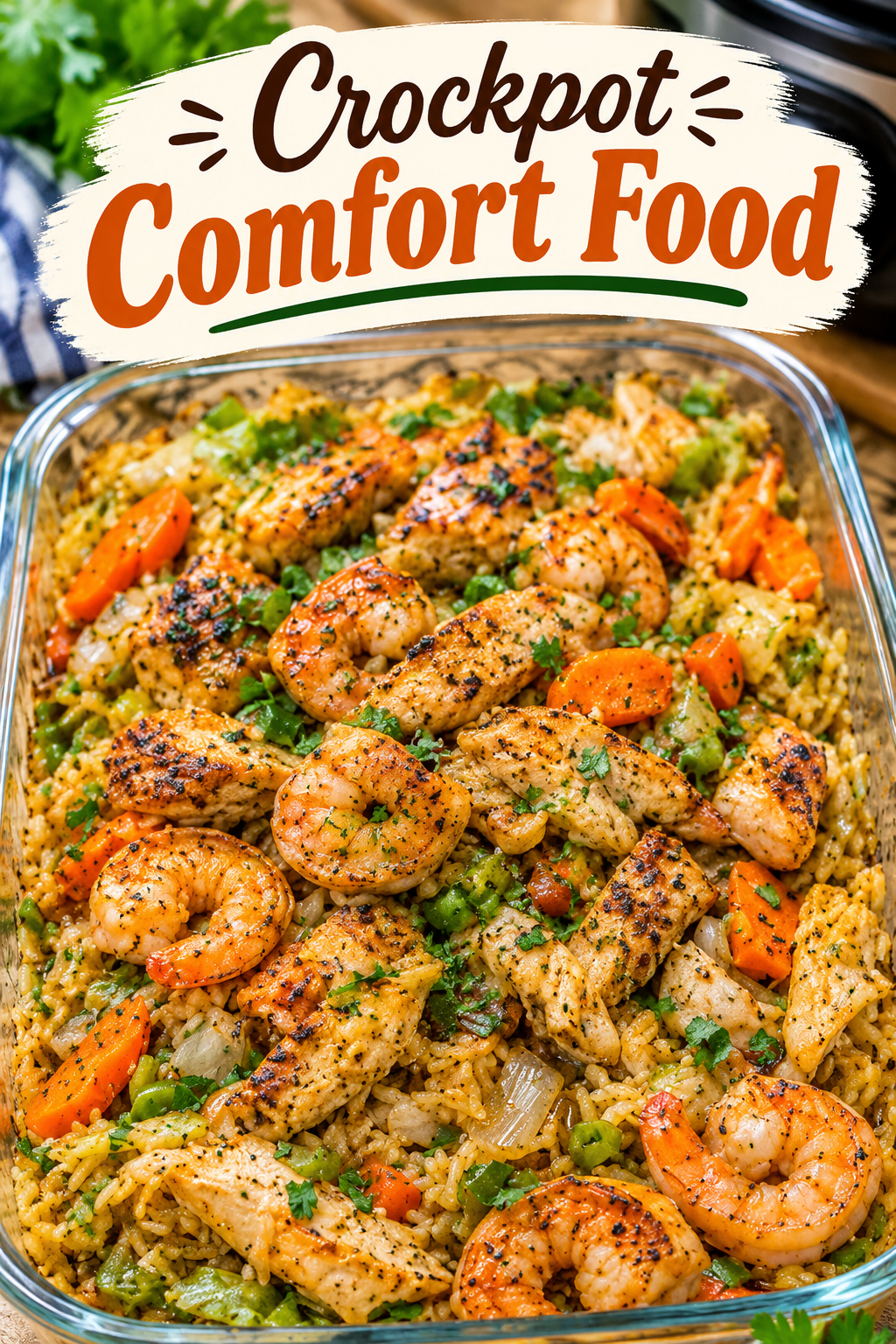
If you love the savory flavors of Japanese hibachi cooking, this Hibachi Chicken and Shrimp Cabbage Bowl is a delicious way to bring those restaurant-inspired flavors into your own kitchen. Tender chicken, juicy shrimp, crisp-tender cabbage, sweet carrots, and aromatic garlic and ginger come together in one skillet with a rich, savory hibachi sauce.
This easy dinner combines two favorite proteins with plenty of colorful vegetables, making it a satisfying option for busy weeknights when you want something flavorful without spending hours in the kitchen. The homemade sauce blends low-sodium soy sauce, teriyaki sauce, oyster sauce, honey, and rice vinegar for a balanced combination of savory, sweet, and tangy flavors.
A little butter and sesame oil add richness, while fresh green onions and sesame seeds provide the perfect finishing touch. Best of all, everything cooks in one pan, making preparation simple and cleanup easier.
Whether you are looking for a lighter alternative to takeout, a creative way to use cabbage, or a quick dinner that feels special, this Hibachi Chicken and Shrimp Cabbage Bowl deserves a place in your regular meal rotation.
Why You Will Love This Hibachi Chicken and Shrimp Cabbage Bowl
Restaurant-inspired flavor: The homemade hibachi sauce combines savory, sweet, and tangy ingredients for a delicious coating that brings the chicken, shrimp, and vegetables together.
Two delicious proteins: Chicken breast and shrimp provide a satisfying combination of tender and juicy textures in every serving.
Packed with vegetables: Green cabbage, carrots, onions, and green onions add color, texture, and natural sweetness.
Easy one-pan preparation: Cook the chicken, shrimp, and vegetables in the same skillet to build flavor while keeping cleanup manageable.
Ready in about 45 minutes: With 20 minutes of preparation and 25 minutes of cooking, this recipe works well for a weeknight dinner.
Easy to customize: Adjust the vegetables, change the seasonings, or serve the mixture over rice or noodles to suit your preferences.
Ingredients for Hibachi Chicken and Shrimp Cabbage Bowl
Here is everything you need to prepare this flavorful skillet meal.
For the Chicken, Shrimp, and Vegetables
- 1 pound chicken breasts, cut into bite-sized pieces: Boneless, skinless chicken breasts cook quickly and absorb the hibachi seasoning beautifully.
- 1 pound shrimp, peeled and deveined: Use large or medium shrimp for juicy, tender bites. Pat them dry before cooking for better browning.
- 1 small green cabbage, chopped: Cabbage provides volume and a slightly sweet flavor while maintaining a pleasant texture when stir-fried.
- 2 carrots, sliced: Carrots add natural sweetness, color, and a little crunch.
- 1 medium onion, chopped: Onion adds savory depth and sweetness as it cooks.
- 3 green onions, sliced: Green onions contribute a fresh, mild onion flavor.
- 4 cloves garlic, minced: Fresh garlic creates an aromatic base for the dish.
- 1 tablespoon fresh ginger, grated: Ginger adds a warm, fragrant flavor that complements the soy sauce and sesame oil.
- 2 tablespoons vegetable oil: Used for cooking the chicken and helping the ingredients stir-fry evenly.
- 2 tablespoons butter, divided: Butter adds richness and a restaurant-inspired finish.
- 1 tablespoon sesame oil: Adds a distinctive nutty aroma and flavor.
- 1/2 teaspoon salt: Seasons the chicken. Use sparingly because the sauces also contain sodium.
- 1/2 teaspoon black pepper: Adds gentle warmth.
- 1 teaspoon smoked paprika: Provides color and a subtle smoky flavor.
For the Homemade Hibachi Sauce
- 1/4 cup low-sodium soy sauce: Provides the main savory flavor.
- 2 tablespoons teriyaki sauce: Adds sweetness and depth.
- 1 tablespoon oyster sauce: Contributes a rich, savory flavor.
- 1 tablespoon honey: Balances the saltiness of the sauces with natural sweetness.
- 1 tablespoon rice vinegar: Adds acidity to brighten the overall flavor.
- 1 teaspoon sesame oil: Enhances the sauce with a nutty aroma.
- 1 teaspoon cornstarch: Helps the sauce thicken and cling to the chicken, shrimp, and vegetables.
- 2 tablespoons water: Helps dissolve the cornstarch and brings the sauce to the right consistency.
For Garnishing
- 1 teaspoon sesame seeds: Adds a delicate crunch and nutty flavor.
- 2 tablespoons chopped green onions: Provides a fresh, colorful finishing touch.
How to Make Hibachi Chicken and Shrimp Cabbage Bowl
Follow these simple steps to prepare a delicious chicken, shrimp, and cabbage skillet with homemade hibachi sauce.
Step 1: Prepare the Ingredients
Cut the chicken breasts into evenly sized bite-sized pieces. Peel and devein the shrimp if necessary, then pat them dry with paper towels.
Chop the cabbage, slice the carrots, chop the onion, and slice the green onions. Mince the garlic and grate the fresh ginger.
Preparing everything before you start cooking makes the stir-frying process easier because the ingredients cook quickly over medium-high heat.
Step 2: Season the Chicken
Place the chicken pieces in a bowl. Add the salt, black pepper, and smoked paprika.
Toss well until the chicken is evenly coated with the seasonings. Set aside while you prepare the sauce.
Because the soy sauce and other ingredients will contribute additional salt, avoid adding too much extra salt at this stage.
Step 3: Mix the Hibachi Sauce
In a small bowl, combine the low-sodium soy sauce, teriyaki sauce, oyster sauce, honey, rice vinegar, sesame oil, cornstarch, and water.
Whisk until the honey is incorporated and the cornstarch dissolves without visible lumps.
Set the sauce aside. If it sits for several minutes, give it another quick stir before adding it to the skillet because the cornstarch may settle at the bottom.
Step 4: Cook the Chicken
Heat 1 tablespoon of vegetable oil in a large skillet or wok over medium-high heat.
Add the seasoned chicken in a single layer. If your skillet is too small to hold all the pieces comfortably, cook the chicken in batches to avoid overcrowding.
Cook for approximately 7 to 8 minutes, stirring occasionally, until the chicken is golden on the outside and fully cooked inside. The thickest pieces should reach an internal temperature of 165°F (74°C).
Transfer the cooked chicken to a clean plate and set aside.
Step 5: Cook the Shrimp
Add the shrimp to the same skillet. If the pan looks dry, add a small amount of the remaining vegetable oil as needed.
Cook for approximately 3 to 4 minutes, turning the shrimp as needed, until they turn pink and opaque throughout.
Avoid overcooking, as shrimp can quickly become rubbery. Transfer them to a separate clean plate and set aside.
Step 6: Melt the Butter
Reduce the heat slightly if the skillet is smoking. Add 1 tablespoon of butter to the same pan and allow it to melt.
The butter will help the vegetables develop a rich flavor while allowing you to use the flavorful browned bits left behind by the chicken and shrimp.
Step 7: Stir-Fry the Carrots and Onion
Add the sliced carrots and chopped onion to the skillet.
Stir-fry for 4 to 5 minutes, stirring frequently, until the onion begins to soften and the carrots are slightly tender but still retain some crunch.
If the vegetables start sticking to the pan, add a small splash of water rather than adding too much oil.
Step 8: Add the Garlic and Ginger
Add the minced garlic and grated ginger to the skillet.
Cook for about 1 minute, stirring constantly, until fragrant. Keep the ingredients moving so the garlic does not burn, as burnt garlic can make the finished dish taste bitter.
Step 9: Add the Cabbage
Add the chopped cabbage to the skillet. Toss it with the carrots, onion, garlic, and ginger.
Stir-fry for approximately 5 to 6 minutes, or until the cabbage begins to soften while remaining slightly crisp.
If you prefer softer cabbage, cook it for a few extra minutes. For the best stir-fry texture, avoid cooking it until it becomes completely limp.
Step 10: Pour in the Hibachi Sauce
Give the prepared sauce another whisk, then pour it over the vegetables.
Stir continuously as the sauce heats and thickens. The cornstarch should help create a glossy coating that clings to the cabbage and carrots.
If the sauce becomes too thick, add a small splash of water to loosen it. If it seems thin, allow it to simmer briefly while stirring.
Step 11: Return the Chicken and Shrimp
Add the cooked chicken and shrimp back to the skillet.
Toss everything gently until the proteins are coated with the hibachi sauce and evenly distributed among the vegetables.
Allow the mixture to heat through for a minute or two, making sure the chicken and shrimp are hot without overcooking them.
Step 12: Add the Remaining Butter and Sesame Oil
Add the remaining 1 tablespoon of butter and the additional 1 tablespoon of sesame oil.
Stir gently until the butter melts and the ingredients are evenly coated. This final addition adds richness and enhances the nutty aroma of the dish.
Taste the mixture and adjust the seasoning if needed. Because the sauces are already savory, additional salt may not be necessary.
Step 13: Garnish and Serve
Remove the skillet from the heat.
Sprinkle the dish with the chopped green onions and sesame seeds. Serve immediately while the chicken and shrimp are tender and the vegetables are warm.
Enjoy the cabbage bowl on its own or serve it over steamed rice, brown rice, or noodles for a more substantial meal.
Tips for the Best Hibachi Chicken and Shrimp Cabbage Bowl
Cut the chicken evenly. Uniform pieces cook at a similar rate, helping prevent smaller pieces from drying out while larger ones finish cooking.
Dry the shrimp before cooking. Removing excess moisture helps the shrimp cook properly and prevents the skillet from becoming watery.
Avoid overcrowding the pan. Too many ingredients at once can cause them to steam rather than stir-fry. Cook the chicken in batches if necessary, and use a large skillet or wok.
Prepare the sauce before cooking. Since the ingredients cook quickly, mixing the sauce in advance makes it easier to finish the recipe without overcooking the vegetables.
Stir the sauce before adding it. Cornstarch settles as the sauce sits, so whisk it again immediately before pouring it into the skillet.
Keep the cabbage slightly crisp. Cabbage releases moisture as it cooks. Stir-fry it until tender-crisp for the best texture, then allow the sauce to coat it.
Watch the shrimp carefully. Shrimp cook much faster than chicken. Remove them from the pan as soon as they turn pink and opaque.
Taste before adding more salt. Soy sauce, teriyaki sauce, and oyster sauce all contribute saltiness. Adjust the seasoning at the end rather than adding extra salt automatically.
Use sesame oil for flavor, not prolonged high-heat cooking. Adding it near the end preserves its distinctive aroma and gives the dish a fragrant finish.
What to Serve with Hibachi Chicken and Shrimp Cabbage Bowl
This recipe can be enjoyed by itself or paired with a simple side dish.
Steamed White Rice
Fluffy white rice is a classic pairing for hibachi-inspired chicken and shrimp. It absorbs the savory sauce and makes the meal more filling.
Brown Rice
Brown rice provides a slightly nutty flavor and a firmer texture that works well with the tender proteins and stir-fried cabbage.
Fried Rice
Serve the cabbage bowl with vegetable fried rice for a restaurant-inspired dinner. Since the main dish already contains a flavorful sauce, keep the rice seasoning balanced.
Stir-Fried Noodles
Noodles make a satisfying accompaniment when you want a heartier meal. Toss them with a small amount of soy sauce and sesame oil so they complement rather than overpower the main dish.
Cucumber Salad
A crisp cucumber salad with rice vinegar makes a refreshing contrast to the warm, savory skillet.
Steamed Broccoli
Steamed broccoli adds another vegetable option without requiring much additional preparation. A light drizzle of sesame oil can tie it in with the flavors of the main dish.
Variations to Try
One of the best things about this recipe is how easy it is to adapt to your taste.
Make It Spicy
Add a little sriracha, chili garlic sauce, or red pepper flakes to the hibachi sauce. Start with a small amount, then taste and adjust until you reach your preferred level of heat.
Add More Vegetables
Bell peppers, mushrooms, snap peas, and broccoli all work well in this recipe. Add firmer vegetables first and softer vegetables later so everything finishes cooking at approximately the same time.
Use Chicken Thighs
Boneless, skinless chicken thighs can replace chicken breasts. They have a richer flavor and tend to remain juicy, although you may need to adjust the cooking time depending on the size of the pieces.
Make It Without Shrimp
If you prefer a chicken-only cabbage bowl, replace the shrimp with an additional pound of chicken or increase the quantity of vegetables.
You can also omit the chicken and use extra shrimp if you prefer a seafood-focused meal.
Try Different Cabbage
Green cabbage is the classic choice, but napa cabbage can also work. Because napa cabbage softens more quickly and releases moisture, add it later in the cooking process and reduce the cooking time as needed.
Add More Ginger and Garlic
For a stronger aromatic flavor, increase the garlic or ginger slightly. Freshly grated ginger provides a particularly bright flavor that complements the savory sauce.
Make the Sauce Sweeter
If you prefer a sweeter hibachi-style sauce, add a little extra honey or teriyaki sauce. Make small adjustments so the sweetness does not overpower the soy sauce and rice vinegar.
Serve It as a Meal-Prep Bowl
Divide the cooked chicken, shrimp, and cabbage mixture into individual containers. Add rice or another preferred grain if desired, and portion the garnish separately to keep it fresh.
How to Store Hibachi Chicken and Shrimp Cabbage Bowl
Refrigerator Storage
Allow leftovers to cool promptly, then transfer them to an airtight container and refrigerate within two hours of cooking.
For the best quality and food safety, eat refrigerated leftovers within 3 to 4 days. Because this recipe contains both chicken and shrimp, keep it refrigerated rather than leaving it at room temperature.
Freezing Instructions
Freezing is possible, but the cabbage may become softer after thawing, and the shrimp may lose some of their original texture.
If you choose to freeze leftovers, place them in a freezer-safe airtight container and use them within 2 to 3 months for best quality. Thaw overnight in the refrigerator before reheating.
Reheating Instructions
For stovetop reheating, place the leftovers in a skillet over medium-low heat. Add a small splash of water if the sauce has thickened too much, then stir gently until the food is steaming hot throughout.
You can also reheat a portion in the microwave in a microwave-safe container. Cover loosely, heat in short intervals, and stir between intervals to distribute the heat evenly.
Avoid reheating repeatedly, as the shrimp can become tough and the cabbage may soften further.
Frequently Asked Questions
Can I Use Frozen Shrimp?
Yes. Thaw frozen shrimp completely in the refrigerator or according to the package instructions before cooking. Drain and pat them dry to remove excess moisture, then cook until pink and opaque.
Can I Prepare the Hibachi Sauce Ahead of Time?
Yes. You can mix the sauce several hours ahead and refrigerate it in a covered container. Before using it, whisk thoroughly to redistribute the cornstarch and other ingredients.
How Do I Keep the Chicken Tender?
Cut the chicken into evenly sized pieces, avoid overcrowding the skillet, and cook only until it reaches an internal temperature of 165°F (74°C). Removing it from the skillet while you prepare the vegetables also helps prevent overcooking.
How Do I Know When the Shrimp Are Done?
Fully cooked shrimp turn pink and opaque and have a firm but tender texture. Depending on their size and the heat of your skillet, they often cook in just a few minutes. Avoid leaving them in the pan longer than necessary.
Why Is My Hibachi Sauce Too Thin?
The cornstarch may not have been fully incorporated, or the sauce may not have simmered long enough to thicken. Whisk the sauce before adding it, then let it cook briefly while stirring. If necessary, mix a small amount of additional cornstarch with cold water and add it gradually.
Why Is My Cabbage Watery?
Cabbage naturally releases moisture as it cooks. Using a large skillet, cooking over medium-high heat, and avoiding overcrowding helps excess moisture evaporate. You can also cook the cabbage a little longer before adding the sauce.
Can I Make This Recipe Gluten-Free?
Yes, with ingredient substitutions. Use gluten-free soy sauce or tamari, and make sure the teriyaki sauce and oyster sauce are labeled gluten-free. Check all labels carefully because some prepared sauces contain wheat or other gluten-containing ingredients.
Can I Make This Recipe Dairy-Free?
Yes. Replace the butter with a suitable dairy-free butter alternative or a little additional vegetable oil. The flavor will differ slightly, but the chicken, shrimp, vegetables, and hibachi sauce will still create a delicious meal.
Is This Recipe Keto-Friendly?
The chicken, shrimp, cabbage, and other vegetables can fit into some lower-carbohydrate eating plans, but the honey, teriyaki sauce, and carrots contribute carbohydrates. To reduce the carbohydrate content, adjust the sweeteners and sauces, and calculate the nutrition information using the exact ingredients and quantities you use.
Can I Serve This Dish Without Rice?
Absolutely. The chicken, shrimp, and cabbage mixture is satisfying on its own. Serving it without rice also lets the vegetables and proteins remain the focus of the meal.
Hibachi Chicken and Shrimp Cabbage Bowl Recipe Details
- Prep Time: 20 minutes
- Cooking Time: 25 minutes
- Total Time: 45 minutes
- Servings: 6
- Estimated Calories: 385 per serving, depending on ingredient brands and portion sizes
- Cooking Method: Stovetop
- Cuisine: Japanese-inspired
- Category: Main Dish
Final Thoughts
Hibachi Chicken and Shrimp Cabbage Bowl is a delicious way to enjoy restaurant-inspired flavors in a simple homemade meal. Tender chicken, juicy shrimp, crisp-tender cabbage, sweet carrots, garlic, ginger, and a rich hibachi sauce come together in one skillet for a dinner that is flavorful, colorful, and satisfying.
Serve it over rice, pair it with stir-fried noodles, or enjoy it on its own for a vegetable-packed meal. With straightforward preparation and plenty of opportunities to customize the ingredients, this recipe is an easy choice for weeknight dinners and meal prep alike.
Add this Hibachi Chicken and Shrimp Cabbage Bowl to your recipe collection whenever you want a savory, homemade alternative to takeout.