

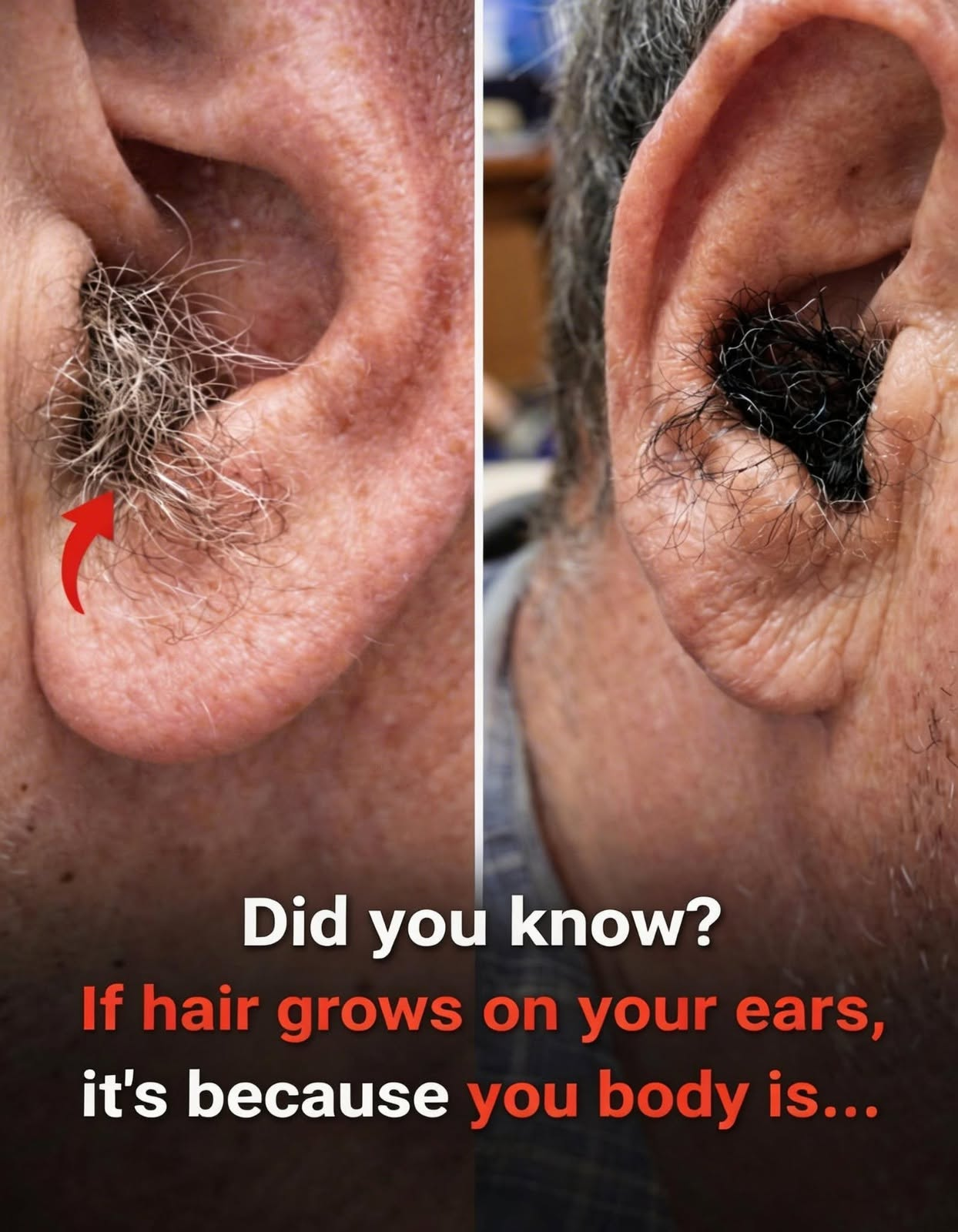
Ear hair is something many people notice as they get older. Those small, wiry hairs that seem to appear out of nowhere can be surprising, frustrating, and sometimes even embarrassing. While most people view ear hair as nothing more than a cosmetic concern, it often raises an important question: could ear hair be telling you something about your health?
The good news is that, in most cases, ear hair is a completely normal part of the aging process. Just like wrinkles, gray hair, and changes in skin texture, increased ear hair growth is usually a natural result of hormonal and genetic factors. However, understanding why it happens and when it may be worth discussing with a healthcare professional can help you stay informed about your overall well-being.
Let’s explore what doctors and health experts say about ear hair, its connection to aging, and the situations where it may deserve a closer look.
Why Ear Hair Increases With Age
One of the main reasons ear hair becomes more noticeable as we age is hormonal change.
As men grow older, the body’s response to hormones changes. Hair follicles located in the ears, nose, eyebrows, and other areas become more sensitive to androgens, a group of hormones that includes testosterone. Even though testosterone levels often decrease with age, hair follicles in certain locations may respond differently, causing hairs to become thicker, darker, and longer.
Genetics also play a major role. If your father, grandfather, or other close relatives developed noticeable ear hair later in life, there is a good chance you will experience similar growth patterns.
The Aging Hair Follicle
Hair follicles naturally change over time. Fine, almost invisible hairs known as vellus hairs can gradually transform into terminal hairs, which are thicker, coarser, and more pigmented.
This process commonly occurs in:
- The ears
- The nose
- The eyebrows
- The face
- The chest
For many adults over the age of 50, a moderate amount of ear hair is completely expected and generally harmless.
Does Ear Hair Serve a Purpose?
Although many people view ear hair as a nuisance, it actually serves a useful function.
Ear hair helps:
- Trap dust particles
- Prevent debris from entering the ear canal
- Reduce the likelihood of insects entering the ear
- Support the ear’s natural protective barrier
The small hairs inside the ear canal work alongside earwax to keep the inner ear clean and protected.
This means that ear hair is not simply a random sign of aging—it also contributes to maintaining ear health.
Is Ear Hair Linked to Heart Disease?
Over the years, several studies have explored whether there is a relationship between ear hair and cardiovascular health.
Some older research suggested that certain ear-related characteristics, such as prominent ear canal hair or diagonal earlobe creases, might be associated with an increased risk of coronary artery disease.
However, modern research has produced mixed results.
What Current Evidence Suggests
Most healthcare professionals agree that ear hair alone is not a reliable indicator of heart disease.
Researchers have found that:
- Age is a major factor influencing both ear hair growth and heart disease risk.
- People with cardiovascular disease are often older, making it difficult to determine whether ear hair is an independent risk factor.
- Lifestyle factors such as smoking, obesity, diabetes, and high blood pressure are far stronger predictors of heart disease.
As a result, doctors do not use ear hair as a screening tool for cardiovascular problems.
Instead, they focus on proven risk factors such as:
- Blood pressure
- Cholesterol levels
- Blood sugar
- Family history
- Smoking habits
- Physical activity levels
When Ear Hair May Be Worth Discussing With a Doctor
While ear hair itself is usually harmless, there are situations where unusual hair growth may be worth mentioning during a medical appointment.
Sudden Excessive Hair Growth
If you notice rapid or excessive hair growth that seems unusual compared to previous years, it could potentially reflect hormonal changes.
Changes Accompanied by Other Symptoms
Consult a healthcare provider if increased hair growth occurs alongside symptoms such as:
- Unexplained fatigue
- Significant weight gain
- Increased thirst
- Blood sugar changes
- Hair growth in unusual areas
- Hormonal irregularities
In women, sudden excessive hair growth may sometimes be related to hormonal conditions that require evaluation.
Rare Genetic Conditions
Some individuals inherit conditions that cause unusually dense hair growth on the outer ear.
One example is hypertrichosis pinnae auris, a rare genetic trait characterized by prominent hair growth on the external ear.
Although visually noticeable, this condition is generally harmless.
Safe Ways to Remove Ear Hair
If ear hair bothers you cosmetically, there are several safe methods for managing it.
Use Specialized Ear Trimmers
Battery-powered ear trimmers are specifically designed for safe hair removal inside the ear opening.
Benefits include:
- Quick trimming
- Reduced risk of cuts
- Easy maintenance
- Comfortable use
Rounded-Tip Scissors
Small grooming scissors with rounded tips can safely trim visible ear hairs.
Always use good lighting and trim only the hairs that are easily accessible.
Avoid Plucking
Many doctors discourage plucking ear hair because it can:
- Irritate hair follicles
- Cause ingrown hairs
- Increase infection risk
- Trigger inflammation
Avoid Waxing
The skin inside and around the ears is sensitive. Waxing may lead to:
- Skin irritation
- Burns
- Inflammation
- Damage to delicate tissues
Keep Grooming Tools Clean
Always disinfect grooming tools after use.
Clean tools help prevent bacteria from entering small skin openings around hair follicles.
Healthy Habits That Matter More Than Ear Hair
If you’re concerned about your health, focusing on proven wellness habits will have a much greater impact than worrying about ear hair.
Maintain Heart Health
Support cardiovascular wellness by:
- Exercising regularly
- Managing blood pressure
- Monitoring cholesterol levels
- Maintaining a healthy weight
Eat a Balanced Diet
Include:
- Fruits
- Vegetables
- Whole grains
- Lean proteins
- Healthy fats
Prioritize Sleep
Quality sleep supports:
- Hormonal balance
- Immune function
- Metabolism
- Overall health
Schedule Regular Checkups
Routine health screenings remain one of the best ways to identify health concerns early.
Tips for Managing Ear Hair
Trim Regularly
A quick trim every few weeks helps keep ear hair neat and manageable.
Use Proper Lighting
Good lighting reduces the risk of accidental cuts.
Don’t Insert Tools Deep Into the Ear
Only trim visible hair near the ear opening.
Keep Ears Dry
Dry ears thoroughly after swimming or showering to reduce irritation.
Avoid Over-Grooming
Remember that some ear hair serves a protective purpose.
Removing every hair is unnecessary.
Common Myths About Ear Hair
Myth: Ear Hair Means You Have Heart Disease
There is no strong scientific evidence proving that ear hair directly causes or predicts heart disease.
Myth: Trimming Makes Hair Grow Thicker
Hair may feel thicker after trimming because the cut end is blunt, but trimming does not change the follicle or growth rate.
Myth: Ear Hair Is Unhygienic
Ear hair is a normal body feature and contributes to protecting the ear canal.
Myth: Only Men Get Ear Hair
Although more common in men, women can also develop ear hair as they age.
Frequently Asked Questions
Is ear hair normal after age 50?
Yes. Ear hair growth commonly increases after age 50 due to hormonal changes and genetics.
Does ear hair indicate poor health?
No. In most cases, ear hair is simply a natural sign of aging.
Should I remove ear hair?
This is a personal choice. If it bothers you cosmetically, trimming is generally safe.
Can ear hair cause hearing problems?
Typically no. However, extremely dense hair combined with earwax buildup may occasionally contribute to minor blockage.
Is ear hair linked to testosterone?
Hair follicles in the ears are influenced by androgens, including testosterone, which can contribute to increased growth with age.
Can women develop ear hair?
Yes. Hormonal changes associated with aging can sometimes lead to ear hair growth in women.
What is the safest way to remove ear hair?
A dedicated ear trimmer or rounded-tip grooming scissors are generally considered the safest options.
Does ear hair grow back thicker after trimming?
No. Trimming does not alter the hair follicle or make hair grow back thicker.
Final Thoughts
For most people, ear hair is simply another natural sign of aging. While it may be annoying from a grooming perspective, it is usually harmless and does not indicate a serious health problem.
The key is to pay attention to your overall health rather than focusing on isolated physical changes. Regular exercise, balanced nutrition, quality sleep, and routine medical checkups remain the most effective ways to support long-term wellness.
Ear hair may remind us that time is passing, but in most cases, it is simply part of the body’s normal aging journey rather than a warning sign of disease.