
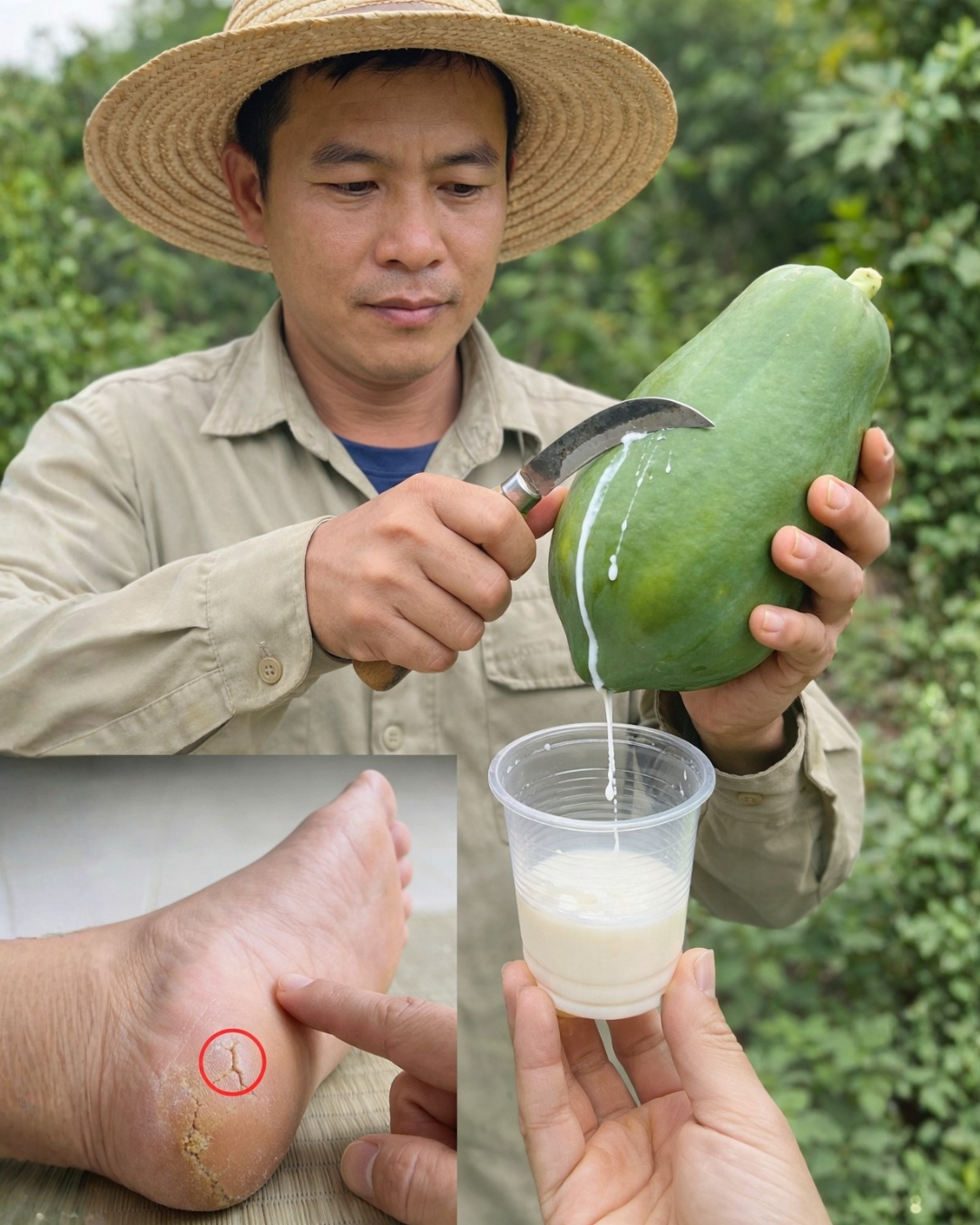
Papaya is one of the most loved tropical fruits in the world, known for its juicy orange flesh, refreshing sweetness, and impressive nutritional value. But beyond the ripe fruit itself, there is another lesser-known part of papaya that has been used in traditional wellness practices for generations: papaya sap.
This milky white latex, found mainly in green or semi-ripe papaya, contains natural enzymes that many cultures have valued for digestive support and food preparation. While most people simply wash it away or ignore it while cutting papaya, traditional practices have long viewed this natural sap as something much more interesting.
Today, growing interest in natural wellness and digestive health has brought attention back to papaya sap and the enzyme papain. From supporting protein digestion to helping meals feel lighter and easier to process, papaya and its natural compounds continue to attract attention from both traditional wellness communities and modern nutrition discussions.
In this guide, you will learn:
- What papaya sap actually is
- Why papain matters for digestion
- How papaya supports gut health naturally
- Safe ways to use papaya sap and papaya products
- Important precautions to understand before trying it
What Is Papaya Sap?
Papaya sap, also called papaya latex, is the white milky fluid that comes out of green or semi-ripe papaya when the skin is cut or damaged. This natural latex is especially rich in enzymes, with papain being the most famous and widely studied.
Papain is a proteolytic enzyme, meaning it helps break down proteins into smaller pieces. This process may support digestion by helping the body process heavy or protein-rich foods more efficiently.
The enzyme is so effective that it has been used for years in meat tenderizers because it naturally softens protein fibers.
Papaya sap also contains:
- Chymopapain
- Natural plant compounds
- Small amounts of antioxidants
- Enzymatic proteins
Although papaya sap has traditional uses, it is very concentrated and should always be approached carefully and moderately.
Why Papain Is Important for Digestion
Digestion depends heavily on enzymes. These compounds help your body break food into smaller nutrients that can be absorbed and used properly.
Papain is especially helpful with protein digestion because proteins are large, complex molecules that require extra work from the stomach and digestive system.
When protein is not broken down properly, some people experience:
- Bloating
- Heaviness after meals
- Gas
- Digestive discomfort
- Slow digestion
Papain may help support the natural digestive process by assisting protein breakdown more efficiently.
This is one reason papaya has become popular after large meals or heavy foods in many traditional diets around the world.
How Papaya Supports Digestive Wellness
Papaya itself offers several digestive-friendly qualities beyond the sap.
Rich in Natural Enzymes
Even ripe papaya contains natural enzymes that may support smoother digestion and help the stomach process food more comfortably.
High in Fiber
Fiber supports regular bowel movements and healthy digestion. Papaya contains both soluble and insoluble fiber, making it useful for maintaining digestive balance.
Supports Gut Comfort
Many people report that papaya feels soothing and gentle on the stomach compared to heavy desserts or processed snacks.
May Reduce Bloating
Traditional wellness practices often recommend papaya after meals because it may help reduce feelings of fullness and bloating.
Hydrating Fruit
Papaya contains a high water content, which supports digestion and hydration together.
The Difference Between Green Papaya and Ripe Papaya
Green papaya contains much more sap and higher enzyme concentration compared to fully ripe papaya.
Green Papaya
- More papaya latex
- Higher papain levels
- Firmer texture
- Less sweet
- Commonly used in cooking and traditional remedies
Ripe Papaya
- Sweeter taste
- Softer texture
- Lower sap concentration
- Easier to eat raw
- Gentler on digestion
For most people, ripe papaya is the safest and easiest way to enjoy papaya’s digestive benefits.
Traditional Uses of Papaya Sap
Different cultures have used papaya sap and green papaya in several traditional ways.
Common traditional uses include:
- Meat tenderizing
- Digestive support
- Herbal preparations
- Traditional food fermentation
- Skin applications in some cultures
However, many traditional uses are based on historical practices and not all have strong scientific confirmation.
Modern research mainly focuses on papain and digestive enzyme activity rather than raw sap itself.
Safe Ways to Use Papaya Naturally
Because raw papaya sap can be irritating if overused, it is usually safer to enjoy papaya through gentler methods.
Eat Fresh Ripe Papaya
This is the simplest and safest approach.
Try adding ripe papaya to:
- Breakfast bowls
- Smoothies
- Yogurt
- Fruit salads
- Snacks
One to two servings daily may support healthy digestion naturally.
Use Green Papaya in Cooking
Green papaya is often shredded into salads or cooked in soups and stir-fries.
Cooking reduces some of the harshness while still preserving nutritional value.
Drink Papaya Leaf or Fruit Infusions
Some traditional practices prepare teas using papaya leaves or peels.
Warm infusions may feel soothing and lighter on the stomach compared to concentrated sap.
Use Papain Supplements Carefully
Papain supplements are widely available, but it is important to follow dosage instructions and speak with a healthcare professional if you have medical conditions.
How Papaya May Help After Heavy Meals
One reason people often reach for papaya after eating is because it may help meals feel easier to digest.
Protein-heavy foods like:
- Meat
- Eggs
- Cheese
- Fried foods
can sometimes create heaviness or bloating.
Papaya’s natural enzymes may support the digestive process and help reduce that uncomfortable overly full feeling.
This is especially why papaya is commonly served after meals in tropical regions.
How to Use Green Papaya Safely
If you want to work with green papaya directly, moderation matters.
Simple Safe Tips
- Wear gloves if sensitive to latex
- Avoid consuming raw sap directly
- Start with small amounts
- Wash fruit thoroughly
- Use in cooking rather than concentrated forms
The sap can irritate the skin or mouth in some individuals, especially those sensitive to latex.
Nutrients Found in Papaya
Papaya is more than just digestive support. It also provides many nutrients linked to overall wellness.
Vitamin C
Supports immune health and antioxidant protection.
Beta Carotene
Helps support eye and skin health.
Folate
Important for cell function and metabolism.
Potassium
Supports hydration and muscle function.
Antioxidants
Help fight oxidative stress in the body.
These nutrients make papaya a valuable addition to a balanced diet.
Who Should Be Careful With Papaya Sap?
Although papaya is safe for most healthy people when eaten as fruit, concentrated papaya sap is not ideal for everyone.
People who should use caution include:
- Individuals with latex allergies
- Pregnant women
- Breastfeeding individuals
- People with digestive ulcers or sensitivities
- Those taking blood-thinning medications
Always speak with a healthcare professional before trying concentrated papaya enzyme products or raw sap preparations.
Potential Side Effects of Too Much Papaya Sap
Overconsumption of concentrated papaya latex may lead to:
- Mouth irritation
- Stomach discomfort
- Nausea
- Diarrhea
- Allergic reactions
This is why moderation is extremely important.
Ripe papaya is usually much gentler and safer for everyday use.
Simple Papaya Smoothie for Digestive Support
Ingredients
- 1 cup ripe papaya
- 1 banana
- 1/2 cup yogurt
- 1/2 cup water or coconut water
- Optional ginger squeeze of lime
Instructions
Blend until smooth and enjoy fresh.
This combination creates a refreshing, digestion-friendly drink packed with fiber and natural enzymes.
Papaya vs Digestive Supplements
Many digestive enzyme supplements contain isolated enzymes, while papaya provides enzymes naturally alongside fiber, hydration, and vitamins.
Papaya offers a more food-based approach that many people prefer for gentle digestive support.
However, supplements may be useful for specific needs when recommended professionally.
How Often Should You Eat Papaya?
For most healthy adults, moderate daily intake works well.
A reasonable serving size is:
- 1 cup fresh papaya
- Or several slices after meals
There is no need to overconsume it. Consistency matters more than large amounts.
Can Papaya Help Bloating?
Many people say papaya helps reduce bloating and heaviness after meals, especially after rich or protein-heavy foods.
This may be linked to:
- Natural enzymes
- Fiber content
- Hydration support
However, digestive responses vary from person to person.
Common Mistakes to Avoid
Eating Too Much Green Papaya Sap
Concentrated sap is strong and may irritate the digestive system.
Ignoring Allergies
Latex-sensitive individuals should be cautious because papaya latex may trigger reactions.
Replacing Medical Treatment
Papaya supports wellness but should not replace medical care for serious digestive conditions.
Expecting Instant Results
Digestive health usually improves gradually through consistent healthy habits.
Frequently Asked Questions
Is papaya sap safe to consume directly?
Raw papaya sap is very concentrated and may irritate the mouth and stomach. It is safer to enjoy papaya through ripe fruit, cooked green papaya, or professionally made supplements.
What does papain do?
Papain is a natural enzyme that helps break down proteins during digestion.
Can papaya help with constipation?
Papaya contains fiber and water, which may help support regular bowel movements.
Is ripe papaya better than green papaya?
Ripe papaya is gentler, sweeter, and safer for most people. Green papaya contains more enzymes but also more concentrated sap.
Can I eat papaya every day?
Yes, moderate daily consumption is generally fine for most healthy adults.
Final Thoughts
Papaya sap and its natural enzyme papain have a long history in traditional wellness practices, especially for digestive support. While concentrated papaya sap should be used carefully, ripe papaya itself offers a safer and more enjoyable way to support digestion naturally.
With fiber, enzymes, antioxidants, and hydration all working together, papaya remains one of the most digestion-friendly tropical fruits you can include in your routine.
Sometimes the simplest habits, like adding fresh papaya to your meals regularly, can make a noticeable difference in how light, comfortable, and balanced your digestion feels day after day.