
A persistent cough can leave you feeling drained, especially when it keeps you awake at night or makes your throat sore. While coughing is often the body’s natural way of clearing mucus and irritation from the airways, there are times when a warm, soothing drink can make you feel more comfortable.
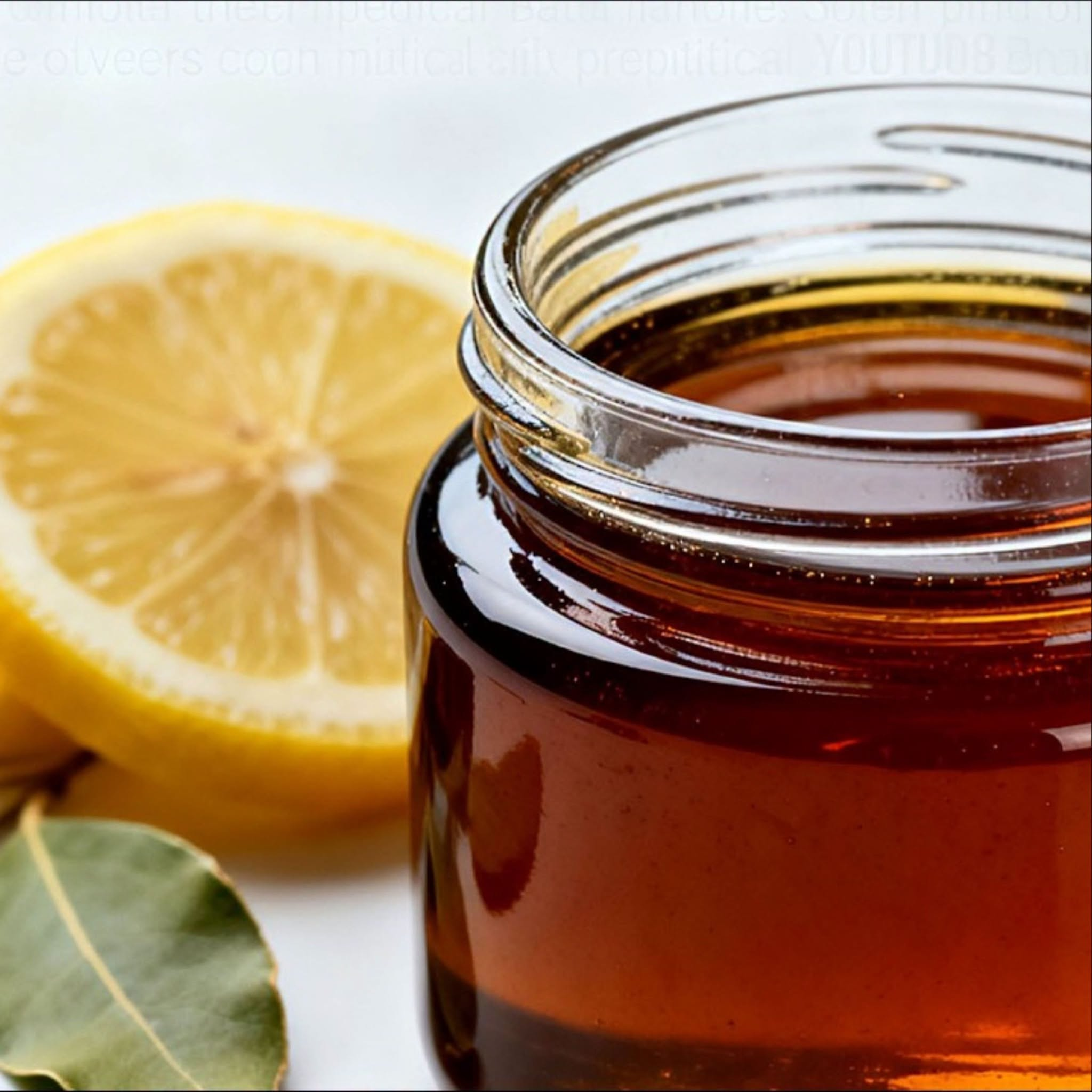
This homemade bay leaf and lemon syrup combines dried bay leaves, fresh lemon, honey, and water. The result is a simple kitchen remedy with a warm herbal flavor, bright citrus notes, and a smooth texture from honey.
It is important to keep expectations realistic. This syrup does not cleanse the lungs, remove toxins, cure respiratory infections, or treat the underlying cause of a chronic cough. However, honey can help coat and soothe an irritated throat, while warm liquids may provide temporary comfort.
If you enjoy traditional home remedies, this is an easy recipe to prepare and keep in the refrigerator for occasional use.
What Makes Bay Leaf and Lemon a Popular Combination?
Bay leaves have been used in cooking and traditional preparations for generations. Their strong aroma comes from naturally occurring plant compounds that give the leaves their distinctive herbal character.
Lemon brings a completely different flavor. Its acidity and fresh citrus aroma brighten the mixture, while lemon juice and peel contain vitamin C and other plant compounds.
Honey ties everything together. Its thick texture can coat an irritated throat, which is one reason honey is commonly used in homemade drinks for cough comfort.
The combination is therefore less about “cleansing” the lungs and more about creating a warm, pleasant syrup that may temporarily soothe throat irritation.
Can Bay Leaf and Lemon Stop a Cough?
No homemade syrup can guarantee that a cough will stop.
A cough can have many causes, including a common cold, allergies, postnasal drip, asthma, acid reflux, smoking, environmental irritation, or a respiratory infection. Treating the cause is more important than simply suppressing the cough.
Honey may provide temporary relief from cough symptoms for some people, particularly when throat irritation is involved. Warm liquids may also feel soothing.
Bay leaf, however, has not been established as a medical treatment for cough, bronchitis, asthma, pneumonia, or other lung conditions.
That distinction matters. A traditional recipe can be comforting without being presented as a cure.
Ingredients for Bay Leaf and Lemon Syrup
You only need a few ingredients.
5 Dried Bay Leaves
Dried bay leaves provide the herbal base for the syrup. Use culinary bay leaves from a reliable food source rather than leaves collected from an unknown plant.
Bay leaves should be used as an infusion and removed before drinking. Whole bay leaves are tough and can be a choking hazard if swallowed.
1 Lemon
Wash the lemon thoroughly before slicing it.
Using slices rather than only juice gives the preparation a stronger citrus aroma. If you prefer a less tart syrup, you can use less lemon or add the juice after the herbal infusion has cooled slightly.
1 Cup of Water
Water extracts flavor from the bay leaves and creates the liquid base for the syrup.
½ Cup of Honey
Honey provides sweetness and gives the mixture its syrup-like texture.
For this recipe, honey is best added after the hot liquid has been removed from the heat and allowed to cool somewhat.
How to Make Bay Leaf and Lemon Syrup
Start by washing the lemon carefully and slicing it into thin rounds.
Place the dried bay leaves, lemon slices, and one cup of water in a small saucepan.
Bring the mixture to a gentle simmer. Avoid boiling it aggressively for a long period because you are mainly trying to extract flavor from the ingredients.
Reduce the heat and simmer for about 10 minutes.
After 10 minutes, remove the saucepan from the heat. Cover it and allow the mixture to steep for another 10 minutes.
This additional resting time allows the herbal and citrus flavors to develop.
Place a fine-mesh strainer over a clean heat-safe container and strain the liquid. Press the ingredients gently with the back of a spoon to release some of the remaining liquid, but do not try to force the solids through the strainer.
Discard the bay leaves and lemon pieces.
Allow the strained liquid to cool until it is warm rather than very hot.
Add the honey and stir until completely dissolved.
Transfer the finished syrup to a clean glass jar with a lid.
Keep it refrigerated.
How to Use the Syrup
For adults who tolerate the ingredients well, a small spoonful can be used when throat irritation makes coughing uncomfortable.
The original recipe suggests about one teaspoon at a time, up to three times a day. Because this is a homemade preparation rather than a standardized medicine, there is no established medical dosing schedule for bay leaf syrup.
You can also mix a small amount into warm water or caffeine-free tea.
Avoid using extremely hot liquid. Warm drinks are generally more pleasant for an irritated throat.
What Does Honey Add to the Recipe?
Honey is probably the most useful ingredient in this recipe for cough comfort.
Its thick consistency allows it to coat the throat temporarily. This can make an irritated or scratchy throat feel more comfortable.
Honey has also been studied for cough relief, especially in children over one year old with uncomplicated upper respiratory infections.
That does not mean honey treats the infection itself. It may simply help reduce the discomfort associated with coughing.
Because honey contains a significant amount of sugar, people who need to manage their blood glucose should take that into account.
What About Lemon?
Lemon contributes a fresh flavor and provides vitamin C.
Vitamin C plays an important role in normal immune function, but drinking lemon syrup does not mean that a cold or cough will disappear faster.
Lemon can also be acidic. If you have acid reflux or a sensitive stomach, a strongly concentrated lemon preparation may make symptoms worse.
If that happens, reduce the amount of lemon or skip it.
Can This Syrup Cleanse Your Lungs?
There is no good evidence that bay leaf and lemon syrup “cleanses” the lungs.
Your respiratory system already has natural mechanisms for clearing mucus and particles. The best ways to support lung health include avoiding tobacco smoke, limiting exposure to harmful fumes, staying physically active when appropriate, managing respiratory conditions, and seeking medical care when symptoms require it.
A homemade syrup can make your throat feel more comfortable, but it should not be described as a lung detox.
That is especially important for people with asthma, chronic lung disease, recurrent bronchitis, or other respiratory conditions.
When a Cough Needs Medical Attention
Most short-term coughs are related to relatively common conditions, but some symptoms should not be managed with a homemade remedy alone.
Seek medical advice if your cough is persistent, keeps getting worse, or repeatedly returns without an obvious reason.
You should also seek prompt medical attention if you experience difficulty breathing, chest pain, coughing up blood, severe weakness, confusion, or a high or persistent fever.
People with asthma or other chronic respiratory conditions should follow their prescribed treatment rather than replacing it with herbal preparations.
A cough that lasts for weeks deserves evaluation because the cause may be something that requires specific treatment.
Who Should Avoid This Syrup?
Although the ingredients are common foods, this does not mean the preparation is appropriate for everyone.
Babies Under One Year
Never give honey to infants younger than one year because of the risk of infant botulism.
This includes honey mixed into homemade syrups, teas, or other foods.
People With Honey Allergies
Anyone with a known allergy to honey should avoid the recipe.
People With Acid Reflux
The lemon may aggravate reflux symptoms in some people. If citrus tends to cause heartburn, leave it out.
People Watching Their Sugar Intake
Honey is still a source of sugar. People with diabetes or those following a low-sugar diet should account for it in their overall intake.
People Taking Medication
If you regularly take prescription medication or have a chronic medical condition, speak with a healthcare professional before using concentrated herbal preparations regularly.
Food-based remedies should complement appropriate medical care rather than replace it.
Tips for Making the Syrup
Use Good-Quality Bay Leaves
Choose culinary bay leaves from a reputable food supplier. Avoid unidentified leaves collected outdoors.
Do Not Eat the Bay Leaves
Bay leaves remain tough even after cooking. Always strain them from the finished syrup.
Add Honey After Cooking
Allow the infusion to cool somewhat before mixing in the honey. This also makes it easier to taste and adjust the sweetness.
Adjust the Lemon
If the syrup tastes too sharp, use less lemon next time. You can also prepare the bay leaf infusion first and add a smaller amount of lemon juice afterward.
Keep Everything Clean
Use a clean saucepan, strainer, spoon, and storage jar. Homemade preparations should be handled carefully and refrigerated.
Make Small Batches
Because this recipe contains fresh lemon and water and does not use commercial preservatives, it is better to make a small amount rather than storing a large batch for a long time.
When in doubt about freshness, discard it.
Can You Make It Without Honey?
Yes.
If you avoid honey, you can prepare the bay leaf and lemon infusion without it and drink it warm.
However, without honey, you lose the thick coating effect and sweetness that make the syrup more pleasant.
For children over one year old, honey may be appropriate in some circumstances, but babies under one year should never receive honey.
Can You Drink It Before Bed?
A small amount may be pleasant before bedtime if coughing or throat irritation is keeping you uncomfortable.
The warmth and honey can create a soothing sensation.
However, lemon may trigger heartburn in some people. If you notice nighttime reflux, avoid drinking a lemon-based preparation close to bedtime.
It is also important to remember that persistent nighttime coughing may have an underlying cause that needs attention.
How Long Can You Store Homemade Bay Leaf Syrup?
Because this is a homemade mixture containing water, lemon, and honey, it should be refrigerated rather than stored at room temperature.
There is no standardized shelf life for this homemade preparation. For that reason, prepare small batches and use good judgment about freshness.
If you notice mold, fermentation, an unusual smell, bubbling, or a significant change in appearance, throw it away.
Do not taste a homemade preparation that appears spoiled.
Can You Add Ginger?
Yes, if you enjoy the flavor.
A small piece of fresh ginger can be simmered with the bay leaves and lemon to create a warmer, spicier drink.
Ginger is widely used in food and traditional beverages, but adding it does not turn the syrup into a treatment for respiratory disease.
Keep the recipe simple if you have a sensitive stomach.
Frequently Asked Questions
Does bay leaf and lemon syrup cure a cough?
No. It may provide temporary throat comfort, particularly because of the honey, but it does not cure the underlying cause of a cough.
Does it remove mucus from the lungs?
There is no strong evidence that bay leaf and lemon syrup removes mucus from the lungs. Coughing itself is one of the body’s mechanisms for clearing mucus from the airways.
Can this syrup treat bronchitis?
No. Bronchitis can have different causes and may require medical evaluation. This homemade syrup should not replace professional care.
Is honey good for a cough?
Honey may help soothe cough symptoms, especially when the throat is irritated. It should never be given to babies younger than one year.
Can children drink this syrup?
The honey makes this recipe unsuitable for babies under one year. For older children, ask a pediatrician if you are unsure, particularly if the child has a persistent cough, breathing problems, or fever.
Can I drink it every day?
There is no established medical requirement to drink bay leaf syrup daily. Occasional use as a comforting drink is more reasonable than treating it as a daily “lung cleanse.”
Can I make the recipe without lemon?
Yes. You can prepare a simple bay leaf and honey infusion, although the flavor will be different. If you have acid reflux, leaving out the lemon may make the drink easier to tolerate.
What is the best time to take it?
There is no medically established best time. Some people may prefer a small amount in the evening when throat irritation is bothersome.
Final Thoughts
Bay leaf and lemon syrup is a simple traditional-style preparation that can be enjoyable when you want something warm and soothing for an irritated throat.
The most important ingredient for cough comfort is likely the honey, while bay leaf and lemon mainly contribute flavor, aroma, and familiar plant-based ingredients.
Still, it is important to keep the claims realistic. This syrup does not cleanse the lungs, remove toxins, cure infections, or guarantee that a cough will disappear.
Think of it as a comforting homemade drink rather than a medicine.
If your cough is severe, persistent, worsening, or accompanied by breathing difficulty, chest pain, blood, or a significant fever, skip the home remedy and seek appropriate medical care. Your symptoms are more important than any recipe.