

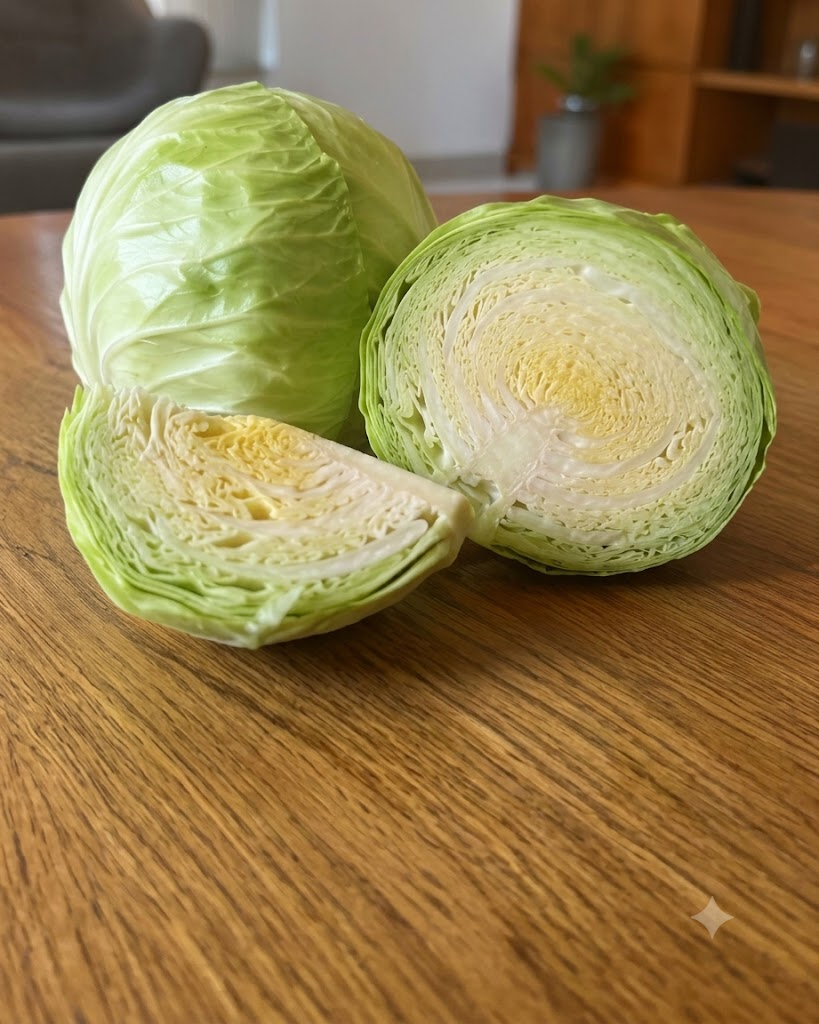
Cabbage is one of the most affordable and nutritious vegetables available. Found in salads, soups, stir-fries, and fermented foods, it has earned a reputation as a healthy addition to many diets. Rich in vitamins, minerals, fiber, and antioxidants, cabbage offers numerous benefits that support overall wellness.
However, while cabbage is considered safe and beneficial for most people, certain individuals may experience unwanted side effects or need to monitor their intake more carefully. Understanding how cabbage affects the body can help you enjoy its benefits while avoiding potential problems.
In this guide, you’ll learn about the nutritional value of cabbage, its health benefits, who should be cautious when eating it, and simple ways to make it easier to digest.
Why Cabbage Is Considered a Superfood
Cabbage belongs to the cruciferous vegetable family, which also includes broccoli, cauliflower, Brussels sprouts, and kale. These vegetables are known for their impressive nutrient content and potential health-supporting properties.
A single serving of cabbage provides:
- Vitamin C
- Vitamin K
- Folate
- Potassium
- Fiber
- Antioxidants
- Plant compounds called glucosinolates
Because it is low in calories and high in nutrients, cabbage is often included in weight-management and healthy eating plans.
Health Benefits of Cabbage
Rich in Antioxidants
Cabbage contains antioxidants that help protect cells from oxidative stress caused by free radicals. These compounds support overall health and may contribute to healthy aging.
Antioxidants found in cabbage include:
- Vitamin C
- Polyphenols
- Anthocyanins (especially in red cabbage)
Supports Digestive Health
The fiber in cabbage helps support healthy digestion and regular bowel movements. Fiber also feeds beneficial gut bacteria, which play an important role in overall wellness.
May Support Heart Health
Cabbage is naturally low in calories and contains nutrients that may help support cardiovascular health when consumed as part of a balanced diet.
Healthy dietary habits that include vegetables like cabbage are often associated with better heart health outcomes.
Supports Immune Function
Vitamin C plays a vital role in supporting the immune system. Since cabbage is a good source of vitamin C, it can contribute to normal immune function.
Helps Promote Fullness
Fiber-rich foods like cabbage can help you feel satisfied after meals. This may help reduce overeating and support healthy weight management goals.
Who Should Be Careful When Eating Cabbage?
Although cabbage is healthy for most people, there are several groups who may benefit from taking extra precautions.
People with Thyroid Conditions
Cabbage contains naturally occurring compounds called goitrogens.
What Are Goitrogens?
Goitrogens may interfere with iodine utilization in the body when consumed in very large amounts, particularly when cabbage is eaten raw.
Iodine is essential for producing thyroid hormones. Individuals with hypothyroidism or thyroid-related concerns may want to moderate their intake of raw cabbage.
Good News
Cooking cabbage significantly reduces goitrogen activity, making cooked cabbage a safer option for most people with thyroid concerns.
People Taking Blood Thinners
Cabbage is high in vitamin K, which plays an important role in blood clotting.
Why This Matters
Certain medications, such as warfarin, rely on stable vitamin K intake for proper effectiveness.
Sudden increases or decreases in cabbage consumption may affect medication management.
What to Do
You do not necessarily need to avoid cabbage. Instead:
- Maintain consistent intake.
- Inform your healthcare provider about major dietary changes.
- Follow medical advice regarding vitamin K consumption.
People with Irritable Bowel Syndrome (IBS)
Some individuals experience digestive discomfort after eating cabbage.
Common Symptoms
- Gas
- Bloating
- Abdominal discomfort
- Cramping
This occurs because cabbage contains fermentable carbohydrates that may be difficult for sensitive digestive systems to process.
Helpful Tip
Many people tolerate cooked cabbage better than raw cabbage.
Individuals with Sensitive Digestion
Even without IBS, some people may notice increased gas after eating large amounts of cabbage.
Starting with smaller portions and gradually increasing intake often improves tolerance.
People with Rare Cruciferous Vegetable Allergies
Although uncommon, some individuals may experience allergic reactions to cabbage or other cruciferous vegetables.
Possible symptoms include:
- Itching
- Swelling
- Skin reactions
- Digestive upset
If you suspect an allergy, seek professional medical advice.
Raw vs Cooked Cabbage: Which Is Better?
Both forms offer benefits, but they affect the body differently.
Raw Cabbage
Benefits:
- Maximum vitamin C content
- Crisp texture
- Refreshing flavor
Possible Drawbacks:
- Harder to digest
- More likely to cause gas
- Higher goitrogen content
Cooked Cabbage
Benefits:
- Easier digestion
- Reduced goitrogen activity
- Softer texture
Possible Drawbacks:
- Slight reduction in vitamin C
For many people, cooked cabbage provides the best balance between nutrition and digestibility.
Fermented Cabbage: A Different Option
Fermented cabbage products include:
- Sauerkraut
- Kimchi
Fermentation changes the vegetable and introduces beneficial bacteria.
Potential benefits include:
- Improved digestion
- Added probiotics
- Enhanced flavor
However, fermented cabbage can be high in sodium, so moderation remains important.
Simple Ways to Make Cabbage Easier to Digest
If cabbage causes discomfort, try these practical tips.
Cook It Thoroughly
Steaming, boiling, roasting, or sautéing helps soften fibers and improve digestion.
Start with Small Portions
Begin with half a cup and gradually increase as tolerated.
Add Digestive-Friendly Ingredients
Many people pair cabbage with:
- Ginger
- Garlic
- Olive oil
- Carrots
- Herbs
These ingredients can improve flavor and make meals easier on the stomach.
Chew Slowly
Proper chewing reduces digestive strain and may decrease bloating.
Healthy Ways to Add Cabbage to Your Diet
Fresh Salads
Shredded cabbage adds crunch and nutrients to salads.
Soups and Stews
Cooked cabbage works wonderfully in vegetable soups and hearty stews.
Stir-Fries
Combine cabbage with lean proteins and other vegetables for a balanced meal.
Roasted Cabbage
Roasting brings out a naturally sweet flavor while maintaining nutritional value.
Cabbage Slaw
A light cabbage slaw with lemon juice and herbs offers a refreshing side dish.
Tips for Enjoying Cabbage Safely
Choose Fresh Cabbage
Look for:
- Firm heads
- Bright leaves
- No signs of spoilage
Wash Thoroughly
Rinse cabbage well before preparation to remove dirt and debris.
Store Properly
Keep cabbage refrigerated and use it within a reasonable time for the best quality.
Don’t Overeat
Even healthy foods can cause digestive discomfort when consumed excessively.
Balance remains the key to long-term wellness.
Frequently Asked Questions
Is cabbage healthy?
Yes. Cabbage is rich in vitamins, minerals, fiber, and antioxidants while being low in calories.
Can cabbage cause bloating?
Yes. Some people may experience gas or bloating, especially when eating large amounts of raw cabbage.
Is cooked cabbage easier to digest than raw cabbage?
Generally, yes. Cooking softens the fibers and may reduce digestive discomfort.
Can people with thyroid problems eat cabbage?
Most people can enjoy cabbage in moderation, especially when cooked. Individuals with thyroid conditions should discuss dietary concerns with their healthcare provider.
Does cabbage affect blood-thinning medications?
Because cabbage contains vitamin K, people taking blood thinners should maintain consistent intake and consult their doctor regarding dietary changes.
Is fermented cabbage healthy?
Fermented cabbage products such as sauerkraut and kimchi may provide beneficial probiotics, but they can also be high in sodium.
How much cabbage should I eat?
Most healthy adults can enjoy cabbage regularly as part of a balanced diet. Portion sizes vary based on individual needs and digestive tolerance.
Final Thoughts
Cabbage is one of the most nutritious and affordable vegetables you can add to your meals. It provides valuable vitamins, antioxidants, and fiber that support overall health and wellness.
For most people, cabbage is a healthy choice that can be enjoyed in salads, soups, stir-fries, and fermented dishes. However, individuals with thyroid conditions, digestive sensitivities, blood-thinner medications, or specific allergies may need to pay closer attention to how much and how often they consume it.
The good news is that simple strategies such as cooking cabbage thoroughly, eating moderate portions, and maintaining dietary consistency can help most people enjoy its benefits comfortably.
When incorporated into a balanced diet alongside regular physical activity, adequate hydration, quality sleep, and other healthy habits, cabbage can be a valuable part of a nutritious lifestyle.