

Your skin does much more than protect your body from the outside world. It can also reflect what is happening internally — including changes related to blood sugar levels. Many people notice dryness, unusual patches, slow-healing cuts, or recurring skin irritation long before they ever think about checking their glucose levels.
While these skin conditions do not automatically mean someone has diabetes, research shows that certain skin changes may appear more often in people with insulin resistance, prediabetes, or diabetes. Recognizing these signs early can encourage healthier habits and help people seek medical guidance before complications develop.
The good news is that many diabetes-related skin issues improve when blood sugar is managed properly and the skin receives consistent care. Understanding what to look for may help you feel more informed and proactive about your overall wellness.
Why Skin Changes Can Happen With High Blood Sugar
Your skin is filled with tiny blood vessels and nerves that are sensitive to changes in circulation, hydration, and inflammation. When blood sugar levels stay elevated for long periods, they can affect the skin in several ways:
Reduced circulation may slow healing
Fluid loss can cause dryness and cracking
Higher glucose levels can encourage bacterial and fungal growth
Inflammation may affect skin texture and pigmentation
Changes in collagen and connective tissue can alter skin appearance
These effects usually develop gradually over time rather than overnight. That is why many people dismiss them as simple signs of aging or dry skin.
Still, paying attention to unusual skin changes may help you identify potential health concerns earlier.
12 Skin Changes Often Associated With Diabetes
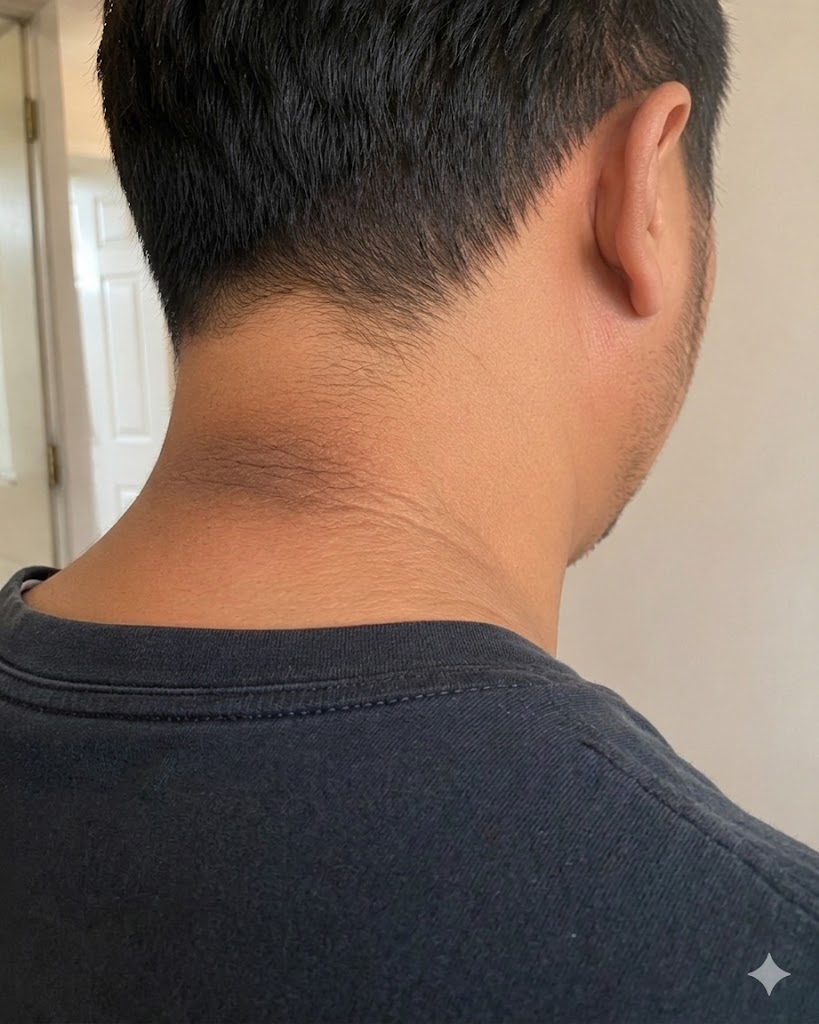
Dark Velvety Patches (Acanthosis Nigricans)
One of the most recognized skin signs linked to insulin resistance is acanthosis nigricans. This condition causes darkened, thickened skin that feels soft and velvety.
It commonly appears on:
The back of the neck
Armpits
Groin
Elbows
Knuckles
This condition is often associated with elevated insulin levels and may appear before type 2 diabetes develops.
Shin Spots (Diabetic Dermopathy)
Diabetic dermopathy causes light brown or reddish oval-shaped patches, usually on the lower legs. These spots are sometimes called “shin spots.”
They may look slightly scaly and often appear in clusters. Although harmless, they are more common in people with long-term diabetes because of changes in small blood vessels.
Yellowish or Reddish-Brown Plaques (Necrobiosis Lipoidica)
This less common condition begins as small bumps that slowly grow into shiny, discolored patches. The skin may appear thin, waxy, or slightly raised.
These patches most often develop on the shins and may feel itchy or tender in some cases.
Sudden Painless Blisters (Bullosis Diabeticorum)
Rare but important, diabetic blisters can appear suddenly on the feet, hands, legs, or arms without injury. They resemble burn blisters and are usually painless.
Although they often heal on their own, they may indicate long-standing blood sugar imbalance.
Yellow Bumps With Red Halos (Eruptive Xanthomatosis)
Small yellow bumps surrounded by redness may develop when triglyceride levels become extremely high, which sometimes occurs alongside uncontrolled diabetes.
These bumps often appear on:
Arms
Legs
Hands
Buttocks
They may feel itchy or tender.
Thick, Tight Skin on the Hands (Digital Sclerosis)
Some people with diabetes develop thickened, waxy skin on the backs of their hands and fingers. The skin may feel stiff and make finger movement more difficult.
This condition is more commonly linked to long-term blood sugar elevation.
Persistent Dry Skin
Dry, flaky skin is one of the most common skin complaints associated with high blood sugar. Elevated glucose can pull moisture from tissues and reduce hydration.
People may notice:
Cracking
Itching
Peeling
Tightness
Dryness is especially common on the legs, feet, and elbows.
Frequent Bacterial Infections
Recurring boils, styes, or swollen red areas may occur more often when blood sugar remains elevated.
Bacteria thrive in high-glucose environments, which may increase the risk of infections such as:
Folliculitis
Styes
Infected hair follicles
Nail infections
These infections may heal more slowly than usual.
Fungal Infections
Fungal infections are also more common in people with elevated blood sugar because yeast grows more easily in warm, moist environments.
Common examples include:
Athlete’s foot
Jock itch
Yeast infections
Rashes under skin folds
These rashes may itch, burn, or cause irritation.
Slow-Healing Cuts and Sores
Cuts, scrapes, and blisters that take an unusually long time to heal may indicate circulation problems or nerve damage associated with diabetes.
Poor blood flow can make it harder for the body to repair damaged tissue efficiently.
Skin Tags
Skin tags are small, soft growths commonly found around the neck, underarms, eyelids, or groin.
Although skin tags are common in many adults, multiple skin tags may occur more frequently in people with insulin resistance or metabolic syndrome.
White Patches or Ring-Shaped Rashes
Certain autoimmune skin conditions may appear more often in people with type 1 diabetes.
Examples include:
Vitiligo — white patches caused by pigment loss
Granuloma annulare — ring-shaped reddish or skin-colored bumps
These conditions are not exclusive to diabetes but may sometimes occur alongside autoimmune disorders.
Simple Habits That May Help Protect Your Skin
Check Your Skin Regularly
Spend a few moments each day looking for:
New patches
Cuts
Blisters
Rashes
Areas of irritation
Early attention may help prevent complications.
Keep Skin Moisturized
Dry skin cracks more easily and increases the risk of infection.
Choose fragrance-free moisturizers and apply them after bathing while the skin is still slightly damp.
Manage Blood Sugar Consistently
Balanced meals, regular movement, quality sleep, hydration, and following your healthcare provider’s recommendations may improve both skin health and overall wellness.
Even moderate improvements in blood sugar control can sometimes help reduce skin symptoms over time.
Treat Minor Injuries Promptly
Wash cuts and scrapes gently with soap and water, apply a clean bandage, and monitor for signs of infection such as redness, warmth, or swelling.
Protect Your Skin From Excess Dryness
Avoid extremely hot showers and harsh soaps that strip away natural oils. Gentle skincare products are often best for sensitive or diabetes-prone skin.
When You Should Speak With a Doctor
Some skin conditions are harmless, while others deserve medical attention. You should contact a healthcare professional if you notice:
Rapidly spreading patches
Open sores
Painful infections
Sudden blisters
Persistent itching
Changes that do not improve
Unexplained skin darkening
A healthcare provider can help determine whether these skin changes are related to diabetes, another medical condition, or a separate skin disorder.
How Blood Sugar Control Can Improve Skin Health
One encouraging fact is that many diabetes-related skin conditions improve when glucose levels become more stable.
People often notice:
Less dryness
Fewer infections
Improved healing
Reduced irritation
Healthier skin texture
Skin reflects overall health, so caring for your body from the inside out often supports healthier-looking skin as well.
Lifestyle Factors That Support Healthy Skin
In addition to blood sugar management, several habits may support skin health:
Drink enough water daily
Eat antioxidant-rich foods
Avoid smoking
Use sunscreen regularly
Stay physically active
Manage stress levels
These habits may help protect circulation, hydration, and collagen production.
Frequently Asked Questions
Can skin changes appear before diabetes is diagnosed?
Yes. Some people notice skin changes such as dark patches, recurring infections, or slow-healing wounds before classic symptoms like excessive thirst or fatigue appear.
Do all people with diabetes develop skin problems?
No. Skin conditions vary widely from person to person. Some individuals never experience noticeable skin symptoms.
Can improving blood sugar help skin problems go away?
In many cases, better glucose control may improve dryness, infections, and some inflammatory skin issues. However, results vary depending on the condition and individual health factors.
Are skin tags always related to diabetes?
No. Skin tags are very common and can occur due to friction, aging, or genetics. However, multiple skin tags may appear more often in people with insulin resistance.
Should I see a dermatologist or a doctor?
Both can help. A dermatologist evaluates skin conditions directly, while your primary care doctor can assess whether blood sugar testing or additional evaluation is needed.
Final Thoughts
Your skin can sometimes offer early clues about what is happening inside your body. While these 12 skin changes do not automatically mean someone has diabetes, they may be worth discussing with a healthcare professional — especially when combined with other symptoms or risk factors.
Paying attention to subtle changes now may help you take positive steps toward better long-term health. Consistent skincare, balanced daily habits, and regular medical checkups can go a long way toward protecting both your skin and your overall well-being.
Disclaimer: This article is for informational purposes only and does not replace professional medical advice, diagnosis, or treatment. Always consult a qualified healthcare professional regarding concerns about your skin or blood sugar levels.