
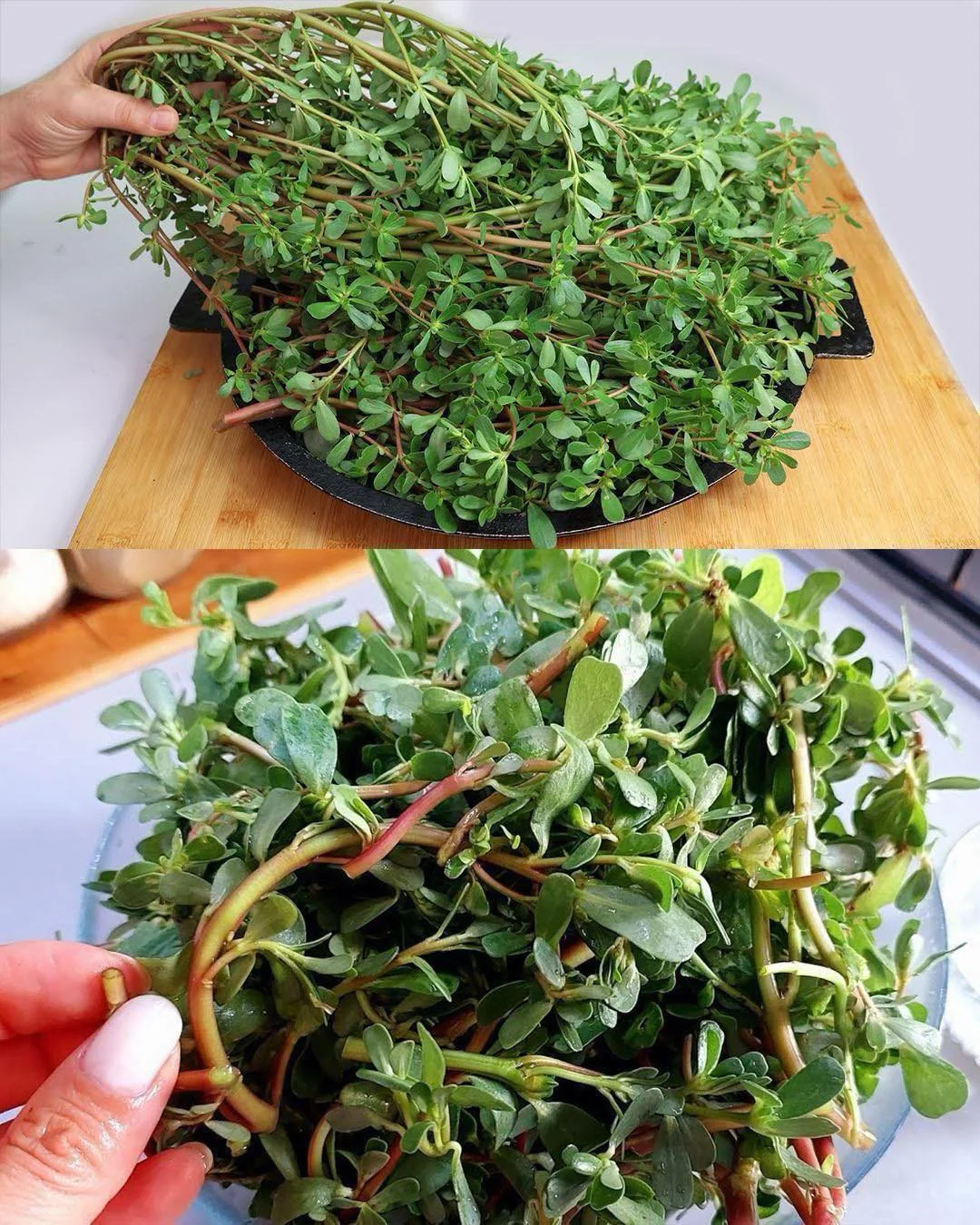
Purslane is one of those plants that most people pull out of their gardens without a second thought. It creeps along the ground, pops up between paving stones, and grows vigorously even in poor soil. Often labeled a “weed,” purslane has been misunderstood for generations. Yet behind its humble appearance lies one of the most nutrient-dense plants you can grow or forage.
Known by names such as pigweed and hogweed, purslane has a long history of use as both food and medicine. Ancient cultures valued it for its cooling properties and resilience, and historical figures like Mahatma Gandhi praised it for its nourishing qualities. Today, modern science has caught up with traditional wisdom, confirming that purslane deserves a place not just in your garden, but on your plate as well.
Referred to as a “miracle plant” by Dr. Artemis Simopoulos, president of the Centre for Genetics, Nutrition, and Health, purslane has been shown to contain the highest amount of omega-3 fatty acids of any green leafy plant. Its succulent, teardrop-shaped leaves are loaded with antioxidants, vitamins, minerals, and unique compounds rarely found in vegetables. Even better, it has a refreshing, slightly lemony flavor with a mild peppery bite that works beautifully in both raw and cooked dishes.
In this article, you will discover eight compelling reasons to embrace purslane in your garden, learn how to use it safely, and explore a simple and delicious recipe that highlights its culinary potential.
What Is Purslane and Why Is It So Special
Purslane is a low-growing, fast-spreading succulent plant that thrives in warm climates and poor soil conditions. Unlike many greens, it stores water in its leaves and stems, which gives it a crisp texture and allows it to survive droughts with ease.
For centuries, purslane was a common food in Europe, the Middle East, Asia, and the Americas. Early Americans, including Martha Washington, reportedly enjoyed it fresh and pickled. Despite this rich history, its popularity declined in the early 1900s as industrial agriculture favored crops that were easier to transport and store.
Today, chefs, nutritionists, foragers, and gardeners are rediscovering purslane for its unmatched nutritional profile and versatility in the kitchen.
Reason One: The Richest Plant Source of Omega-3 Fatty Acids
One of the most remarkable qualities of purslane is its omega-3 content. Omega-3 fatty acids are essential for heart health, brain function, and inflammation control, yet many people struggle to get enough of them, especially those who follow plant-based diets.
Purslane contains alpha-linolenic acid, a plant-based omega-3, in higher amounts than any other leafy green. This makes it a powerful ally for vegans and vegetarians who want to support cardiovascular and cognitive health naturally.
Regular consumption of omega-3-rich foods has been linked to reduced inflammation, improved cholesterol balance, and better overall metabolic health. Including purslane in your meals is an easy way to boost your intake without relying on supplements.
Reason Two: A Powerful Antioxidant Shield
Purslane is packed with antioxidants that protect your cells from oxidative stress. Among these is glutathione, often referred to as the body’s master antioxidant. Glutathione plays a crucial role in detoxification, immune function, and slowing cellular aging.
By neutralizing free radicals, the antioxidants in purslane help protect tissues from damage caused by pollution, stress, and poor diet. This makes purslane a valuable food for long-term health and vitality.
Reason Three: A Mineral Powerhouse for Daily Nutrition
Modern diets are often lacking in essential minerals, even when calories are abundant. Purslane helps fill these nutritional gaps with an impressive mineral profile.
It contains calcium for bone strength, magnesium for muscle and nerve function, potassium for heart health, iron for oxygen transport, and phosphorus for energy production. Trace minerals such as manganese, copper, selenium, and folate further support enzyme function, immunity, and cellular repair.
Adding purslane to salads, soups, or pesto can significantly improve the micronutrient quality of your meals.
Reason Four: A Natural Source of Vitamin C
Vitamin C is essential for immune defense, collagen production, and wound healing. Purslane provides a generous amount of this vital nutrient, helping strengthen the body’s natural defenses.
Unlike some vegetables that lose vitamin C quickly after harvest, purslane retains much of its nutritional value when eaten fresh. This makes it an excellent addition to raw dishes, especially during times when immune support is needed.
Reason Five: Rich in Beta-Carotene for Eye and Skin Health
Purslane contains high levels of beta-carotene, a precursor to vitamin A. Vitamin A is crucial for vision, skin renewal, and immune regulation.
Beta-carotene also acts as an antioxidant, helping protect skin cells from damage and supporting a healthy complexion. Regular intake of beta-carotene-rich foods has been associated with better eye health and reduced risk of age-related vision problems.
Reason Six: One of the Few Plants Containing Melatonin
Melatonin is a hormone best known for regulating sleep cycles. While it is naturally produced in the body, few foods contain measurable amounts of it. Purslane is a rare exception.
The presence of melatonin in purslane makes it a unique dietary support for healthy sleep patterns. While it is not a replacement for medical treatment, including melatonin-containing foods may help support the body’s natural sleep rhythm when consumed as part of a balanced diet.
Reason Seven: Supports Healthy Cholesterol Levels
Purslane contains betalain pigments, antioxidants that help protect blood vessels from oxidative damage. These compounds have been shown to support healthy cholesterol levels by preventing the oxidation of LDL cholesterol, which plays a role in cardiovascular disease.
By reducing oxidative stress in the bloodstream, purslane contributes to better vascular health and supports overall heart function.
Reason Eight: Contains Tryptophan for Mood Balance
Tryptophan is an essential amino acid involved in the production of serotonin, a neurotransmitter linked to mood regulation and emotional well-being. Purslane contains small but meaningful amounts of tryptophan, making it a gentle dietary support for mental balance.
While it is not a treatment for depression, including tryptophan-containing foods as part of a nutritious diet may help support stable mood and emotional health.
How to Safely Harvest and Use Purslane
When harvesting wild purslane, it is important to choose clean, pesticide-free areas. Avoid plants growing near roadsides or treated lawns. Wash purslane thoroughly under running water to remove dirt and potential residues.
Young leaves and stems are the most tender and flavorful. They can be eaten raw, lightly sautéed, pickled, or blended into sauces. The taste is mildly tangy, slightly salty, and refreshingly crisp.
Simple Purslane and Basil Pesto Recipe
This easy recipe is a delicious way to enjoy purslane’s flavor and benefits.
Ingredients
- Two cups young purslane leaves and stems, rinsed and roughly chopped
- Forty-five grams fresh basil leaves, rinsed
- One clove garlic
- Forty-five grams toasted almonds
- Juice from half a lemon
- Fifty milliliters olive oil
- Salt and pepper to taste
Instructions
Combine purslane, basil, garlic, almonds, and lemon juice in a food processor. Pulse until the mixture is well combined. With the processor running, slowly drizzle in the olive oil until the pesto becomes smooth and emulsified. Season with salt and pepper according to taste.
This pesto is excellent spread on toasted bread, tossed with pasta, served with roasted vegetables, or paired with grilled meat.
Tips for Growing and Using Purslane
Choose a sunny spot, as purslane thrives in warm, bright conditions. Water sparingly, since the plant is drought-tolerant. Harvest regularly to encourage fresh growth. Use young leaves for salads and older stems for cooking. Combine purslane with milder greens to balance its tangy flavor. Always wash thoroughly before use, especially if foraged.
Frequently Asked Questions
Is purslane safe to eat raw?
Yes, purslane is safe to eat raw when properly washed. Young leaves are especially tender and flavorful in salads.
Can purslane be grown intentionally in a garden?
Absolutely. Purslane is easy to grow from seed and requires minimal care, making it ideal for beginner gardeners.
Does purslane have any side effects?
Purslane contains oxalates, so individuals prone to kidney stones should consume it in moderation and consult a healthcare professional if needed.
How does purslane compare to spinach?
Purslane contains more omega-3 fatty acids than spinach and has a higher water content, giving it a crunchier texture and slightly tangy flavor.
Can purslane be cooked?
Yes, purslane can be sautéed, added to soups, or used in stews. Cooking softens its texture while preserving many of its nutrients.
Conclusion
Purslane is a rare example of a plant that is both incredibly resilient and extraordinarily nutritious. From its unmatched omega-3 content to its antioxidants, minerals, melatonin, and mood-supporting compounds, it offers benefits that few other greens can match. Once dismissed as a weed, purslane is now reclaiming its rightful place as a superfood worth celebrating.
By embracing purslane in your garden and kitchen, you gain access to a sustainable, flavorful, and deeply nourishing plant that supports both health and culinary creativity. Sometimes, the most powerful foods are growing right under our feet.