
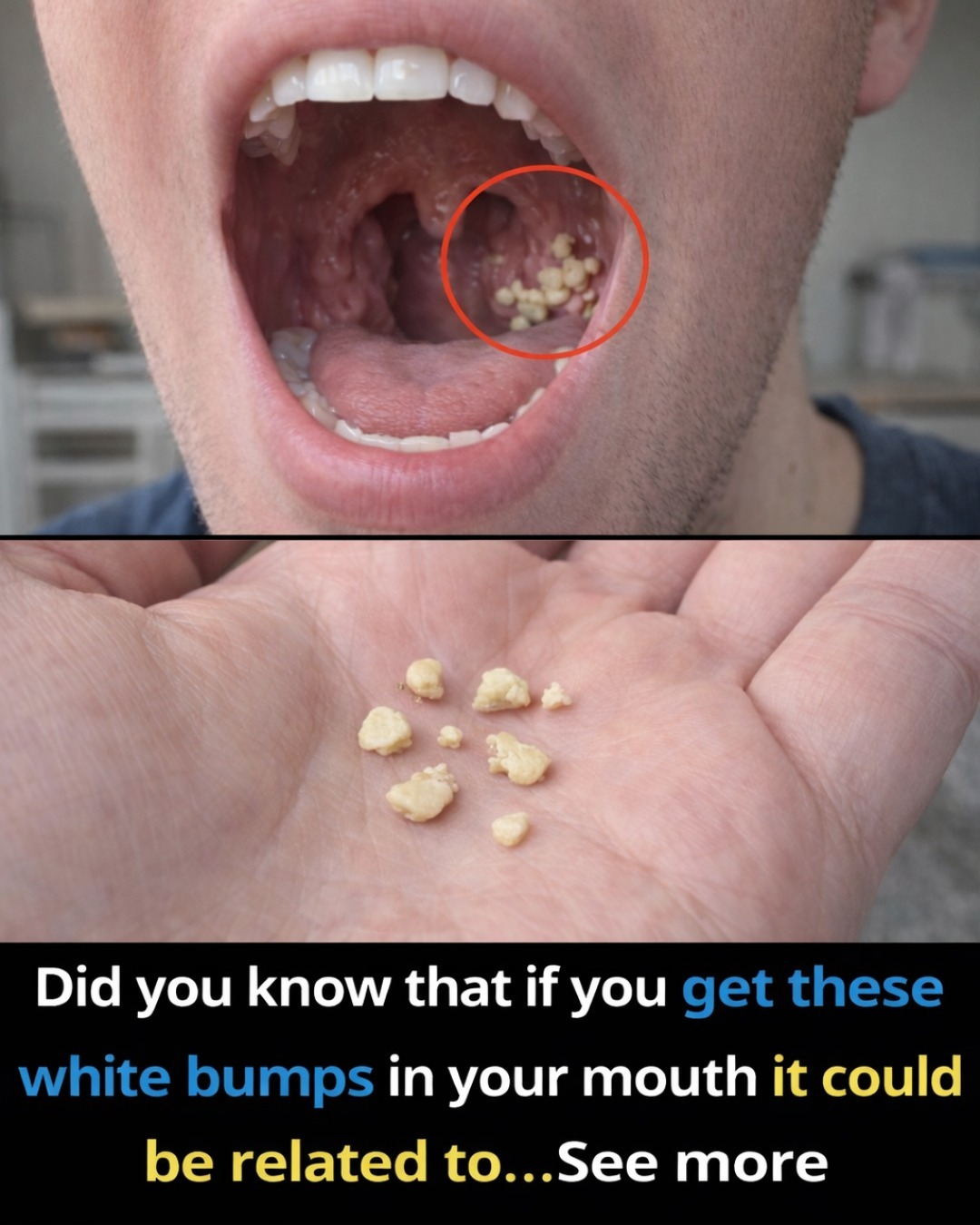
Discovering small white or yellowish balls in the back of your throat can be unsettling. At first glance, they may seem harmless, but many people quickly realize they are connected to persistent bad breath, throat irritation, or an uncomfortable feeling that something is stuck. These tiny formations often appear suddenly when you check your throat in the mirror, cough, or swallow, and once you notice them, it’s hard to ignore their impact on daily comfort and confidence.
For many individuals, the most frustrating part is the odor. Even with regular brushing and mouthwash, bad breath can linger, leading to embarrassment in social situations. Swallowing may feel slightly off, and in some cases, mild throat or ear discomfort develops. According to medical sources such as the Cleveland Clinic and Mayo Clinic Health System, these white formations are commonly tonsil stones, also known as tonsilloliths.
While tonsil stones are usually harmless, understanding why they form and how to manage them can make a significant difference in oral comfort and overall well-being. The good news is that most cases can be controlled with simple, consistent habits.
What Exactly Are Tonsil Stones?
Tonsil stones are small, hardened deposits that form in the tonsils, which are soft tissue structures located at the back of the throat. The tonsils play a role in immune defense, trapping bacteria and particles that enter through the mouth or nose. However, this protective function can sometimes work against you.
How Tonsil Stones Form
The surface of the tonsils is not smooth. They contain small folds and pockets known as crypts. Food particles, dead cells, mucus, and bacteria can become trapped in these crypts. Over time, minerals such as calcium accumulate around this debris, causing it to harden into small stones.
These stones may be white, yellowish, or slightly gray in color. Some remain hidden deep within the tonsil crypts, while others become visible or dislodge on their own. Their size can range from tiny grains to larger, pebble-like formations.
Common Symptoms You Might Be Experiencing
Many people have tonsil stones without realizing it. Symptoms often develop gradually and vary from person to person.
Most Common Signs
- Persistent bad breath that does not improve with brushing or mouthwash
- A sore, scratchy, or irritated throat
- The sensation that something is stuck in the throat
- A bad or metallic taste in the mouth
- Visible white or yellow spots on the tonsils
- Mild ear pain caused by shared nerve pathways
Some people notice a stone only after coughing one up or finding a foul-smelling, crumbly lump in their mouth. Although unpleasant, this is a classic sign of tonsil stones and not usually dangerous.
What Causes These White Bumps to Develop?
Tonsil stones form due to a combination of anatomical structure, hygiene habits, and environmental factors.
Primary Causes
Deep Tonsil Crypts
Some people naturally have deeper or more pronounced tonsil folds, which makes it easier for debris to become trapped.
Frequent Tonsil Infections
Repeated tonsillitis or throat infections can enlarge tonsil crypts, increasing the likelihood of buildup.
Poor Oral Hygiene
Infrequent brushing, flossing, or tongue cleaning allows bacteria and food particles to accumulate.
Dry Mouth and Dehydration
Saliva helps wash away debris. Reduced saliva flow allows particles to linger and harden.
Diet and Breathing Habits
Dairy products may increase mucus production in some people. Mouth breathing, especially during sleep, can dry out the mouth and throat.
Tonsil Stones vs Other White Throat Conditions
Not all white spots in the throat are tonsil stones. Understanding the difference helps prevent unnecessary worry.
Key Differences
- Tonsil stones: Hard, pebble-like, often associated with bad breath
- Bacterial throat infections: Soft white patches or pus, usually accompanied by fever and pain
- Oral thrush: Creamy white patches that can be wiped off, often linked to weakened immunity
If the spots are firm and emit a strong odor, tonsil stones are the most likely explanation.
How to Safely Manage and Remove Tonsil Stones at Home
Small tonsil stones often fall out on their own. If they cause discomfort, gentle home care can help.
Safe At-Home Methods
Gargle With Warm Salt Water
Mix half a teaspoon of salt into a glass of warm water. Gargle several times a day to loosen debris and reduce bacteria.
Stay Well Hydrated
Drinking enough water keeps saliva flowing and naturally flushes the mouth and throat.
Gentle Manual Removal
If a stone is visible and easily accessible, a cotton swab or a low-pressure water flosser may help. Always be gentle and avoid sharp tools.
Maintain Thorough Oral Hygiene
Brush twice daily, floss regularly, and clean the tongue to reduce bacterial buildup.
Support Oral Balance
Some people find diluted apple cider vinegar gargles or oral probiotics helpful for maintaining a healthier mouth environment.
Never force removal. Aggressive poking can cause bleeding, infection, or tonsil injury.
When Medical Treatment May Be Needed
While most tonsil stones are harmless, medical attention may be necessary in certain cases.
Seek Professional Help If
- Stones cause significant pain or swelling
- You experience frequent throat infections
- Swallowing becomes difficult
- Bad breath persists despite excellent hygiene
- White patches do not resemble typical stones
A dentist or ENT specialist can confirm the diagnosis and discuss treatment options. In severe or recurring cases, procedures such as laser cryptolysis or, rarely, tonsil removal may be considered.
Prevention Tips to Stop Tonsil Stones From Coming Back
Preventing tonsil stones focuses on reducing debris buildup and supporting oral health.
Practical Prevention Strategies
- Brush teeth twice daily and floss once a day
- Clean the tongue regularly
- Gargle after meals to remove trapped food particles
- Use alcohol-free mouthwash to maintain healthy bacteria
- Stay hydrated throughout the day
- Use a humidifier if dry air is an issue
- Reduce dairy intake if it increases mucus production
Consistency is key. Regular oral care significantly lowers the chances of recurrence.
FAQs
Are tonsil stones dangerous?
Tonsil stones are generally harmless and not contagious. They can cause discomfort but rarely lead to serious complications.
Can tonsil stones go away on their own?
Yes, many tonsil stones dislodge naturally with swallowing, coughing, or improved oral hygiene.
Do tonsil stones always cause bad breath?
Not always, but bad breath is one of the most common symptoms due to bacteria trapped in the stones.
Can children get tonsil stones?
They are more common in adults, but children can develop them, especially if they have frequent throat infections.
Is surgery necessary for tonsil stones?
Surgery is rarely needed. It is only considered in severe, recurring cases that do not respond to conservative treatment.
Conclusion
Those tiny white balls in your throat may be uncomfortable and embarrassing, but they are a common and manageable condition. Tonsil stones form when debris becomes trapped and hardened in the tonsils, often leading to bad breath and throat irritation. By understanding what causes them and adopting consistent oral hygiene habits, most people can reduce or eliminate the problem entirely.
With proper care, hydration, and gentle management, tonsil stones do not have to interfere with your comfort or confidence. Small daily changes can lead to noticeable improvements in both oral health and peace of mind.