

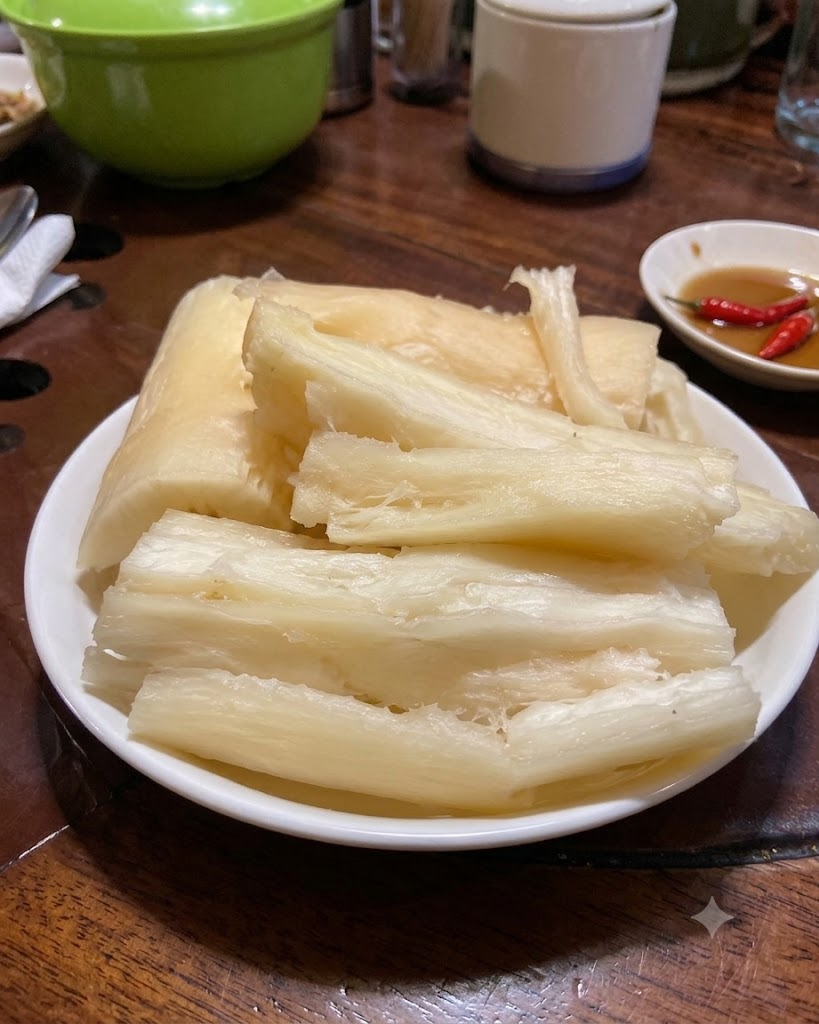
Introduction
Cassava is one of the most important food crops in the world. Known for its starchy roots and remarkable ability to grow in poor soil conditions, it serves as a dietary staple for hundreds of millions of people across Africa, Asia, Latin America, and other tropical regions.
Despite its popularity, cassava has earned a reputation as one of the world’s most potentially hazardous foods when consumed improperly. This reputation can sound alarming, especially for people who regularly cook and eat cassava at home.
The reason for this concern is simple: cassava naturally contains compounds that can release cyanide if the root is not processed and cooked correctly. Fortunately, generations of traditional knowledge and modern food safety research have shown that proper preparation can significantly reduce these compounds, making cassava safe and enjoyable to eat.
In this guide, you’ll learn why cassava requires special handling, how to distinguish between different varieties, and the essential steps needed to prepare it safely.
What Is Cassava?
Cassava (Manihot esculenta) is a root vegetable grown primarily in tropical and subtropical climates. It is known by several names around the world, including:
- Cassava
- Yuca
- Manioc
- Mandioca
The root is rich in carbohydrates and provides an affordable source of calories for many communities. Cassava is used to make a wide range of foods, including:
- Boiled cassava
- Cassava fries
- Tapioca pearls
- Cassava flour
- Flatbreads
- Traditional porridges
- Snacks and desserts
Its versatility, affordability, and drought resistance make it a valuable crop in regions where other foods may be difficult to grow.
Why Is Cassava Considered Potentially Dangerous?
The concern surrounding cassava comes from naturally occurring substances called cyanogenic glycosides.
These compounds serve as part of the plant’s natural defense system against insects and animals. When cassava roots are cut, crushed, grated, or chewed, these compounds can break down and release hydrogen cyanide.
Hydrogen cyanide can be harmful if consumed in significant amounts.
The concentration of these compounds varies depending on:
- The cassava variety
- Growing conditions
- Soil quality
- Climate
- Storage conditions
This does not mean cassava is unsafe by default. It simply means that proper preparation is essential before consumption.
Sweet Cassava vs. Bitter Cassava
Understanding the difference between cassava varieties is an important step toward safe preparation.
Sweet Cassava
Sweet cassava contains lower levels of cyanogenic compounds.
Characteristics include:
- Milder flavor
- Easier preparation
- Shorter soaking requirements
- Commonly sold in supermarkets
Although it contains fewer natural toxins, it should still be cooked thoroughly before eating.
Bitter Cassava
Bitter cassava contains significantly higher levels of cyanogenic compounds.
Characteristics include:
- Stronger taste
- More extensive processing requirements
- Common use in traditional food systems
Because of its higher cyanide potential, bitter cassava requires careful soaking, fermenting, drying, or cooking before it is consumed.
Why Do So Many People Still Eat Cassava?
Given its reputation, many people wonder why cassava remains so widely consumed.
The answer lies in its unique benefits:
Excellent Source of Energy
Cassava is rich in carbohydrates, making it an important source of fuel for the body.
Drought Resistant
Cassava can thrive in conditions where many other crops fail, helping support food security in challenging environments.
Affordable
For many families, cassava provides an economical source of calories and can be grown locally.
Versatile
Cassava can be boiled, baked, fried, mashed, fermented, or processed into flour and starch.
These advantages explain why cassava continues to be a vital food source across the globe.
Risks Associated With Improperly Prepared Cassava
When cassava is not processed correctly, exposure to cyanide compounds can increase.
Potential concerns may include:
- Digestive discomfort
- Nausea
- Dizziness
- Headaches
- Weakness
Long-term exposure to poorly processed cassava combined with nutritional deficiencies has been associated with certain health problems in some communities.
Fortunately, these risks can be greatly reduced through proper preparation methods that have been used successfully for generations.
How to Prepare Cassava Safely
The good news is that preparing cassava safely is straightforward when you follow established methods.
Step 1: Peel Thoroughly
Begin by removing the thick brown outer skin.
Then remove the pinkish-white layer underneath.
Many of the naturally occurring compounds are concentrated near the surface of the root, making thorough peeling important.
Step 2: Wash Carefully
Rinse the peeled cassava under clean running water.
This helps remove dirt, debris, and surface residue.
Step 3: Cut Into Smaller Pieces
Cut the cassava into manageable chunks.
Smaller pieces allow for more effective soaking and cooking.
Step 4: Soak in Water
Place the cassava pieces in a container filled with fresh water.
For many traditional preparations:
- Soak for 24 to 48 hours
- Change the water several times
- Keep the cassava fully submerged
Soaking helps reduce the concentration of unwanted compounds.
Step 5: Rinse Again
After soaking, discard the water and rinse the cassava thoroughly.
Step 6: Boil Completely
Cook the cassava in fresh water until it becomes soft throughout.
This typically takes:
- 20 to 30 minutes for smaller pieces
- Longer for larger pieces
Discard the cooking water after boiling.
Step 7: Check for Bitterness
Properly prepared cassava should taste mild and starchy.
If noticeable bitterness remains, additional processing or longer soaking may be necessary.
Important Food Safety Tips
To maximize safety when handling cassava:
Never Eat Raw Cassava
Raw cassava should always be avoided.
Avoid Undercooking
Partially cooked cassava may still contain undesirable compounds.
Purchase From Reputable Sources
Buy cassava from trusted suppliers whenever possible.
Use Fresh Cassava
Fresh roots generally provide the best quality and flavor.
Follow Traditional Processing Methods
Communities that have relied on cassava for generations often use preparation techniques developed specifically to improve safety.
Nutritional Benefits of Properly Prepared Cassava
When prepared correctly, cassava can contribute to a balanced diet.
Carbohydrates
Cassava provides a substantial source of energy.
Naturally Gluten-Free
Cassava flour is commonly used as an alternative for individuals avoiding gluten.
Vitamin C
Fresh cassava contains modest amounts of vitamin C.
Resistant Starch
Depending on preparation methods, cassava may provide resistant starch, which can support digestive health.
Common Uses for Cassava
Cassava appears in many traditional and modern dishes worldwide.
Popular preparations include:
- Boiled cassava
- Cassava chips
- Cassava fries
- Tapioca pudding
- Cassava bread
- Flatbreads
- Gluten-free baking
- Traditional fermented foods
Its mild flavor allows it to pair well with both savory and sweet ingredients.
Frequently Asked Questions
Can You Eat Cassava Raw?
No. Raw cassava should not be eaten because it may contain levels of cyanogenic compounds that require processing and cooking to reduce.
Is Store-Bought Cassava Flour Safe?
Commercial cassava flour is generally processed according to food safety standards. Follow package instructions for best results.
What Does Cassava Taste Like?
Cassava has a mild, slightly nutty, starchy flavor that is often compared to potatoes.
Is Tapioca Made From Cassava?
Yes. Tapioca starch and tapioca pearls are derived from cassava.
How Long Should Cassava Be Cooked?
Cooking times vary, but cassava should be boiled until completely tender, typically 20 to 30 minutes or longer depending on size.
Can Cassava Be Frozen?
Yes. Peeled and prepared cassava can often be frozen for later use.
Final Thoughts
Cassava remains one of the world’s most important food crops because it is affordable, versatile, and capable of feeding millions of people even in difficult growing conditions. While it naturally contains compounds that require careful handling, the risks associated with cassava can be greatly reduced through proper peeling, soaking, and cooking.
Understanding the difference between sweet and bitter cassava, following traditional preparation methods, and practicing basic food safety can help you enjoy this nutritious staple with confidence.
The next time you see cassava at the market, you’ll know exactly how to prepare it safely and turn it into a delicious addition to your meals.