

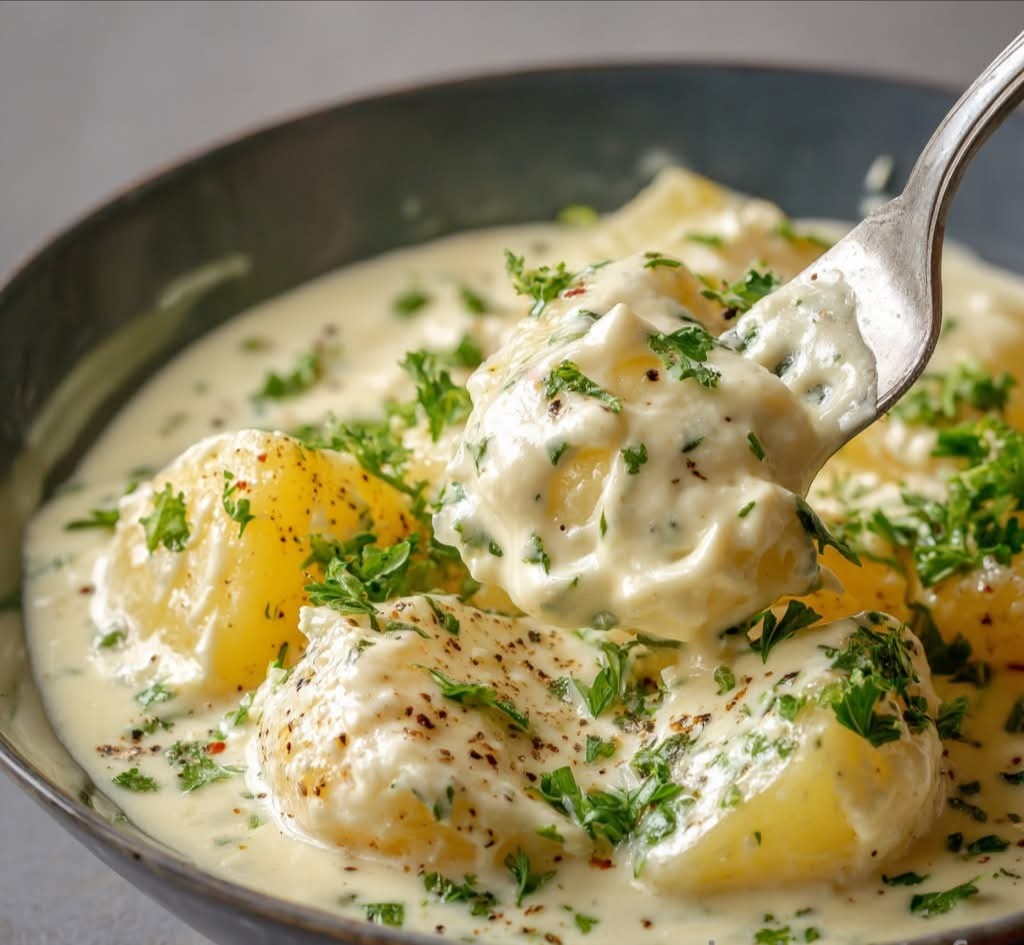
Victorian stewed potatoes represent the kind of simple comfort food that never goes out of style. Creamy, rich, and deeply satisfying, this traditional potato dish transforms humble ingredients into something warm and memorable. Long before modern casseroles and gourmet side dishes became popular, families relied on recipes like this one to create hearty meals from basic pantry staples.
The beauty of Victorian stewed potatoes lies in their simplicity. Tender potatoes simmer gently in milk before getting coated in a velvety parsley cream sauce. The result feels both rustic and elegant, making it suitable for everyday dinners as well as holiday tables.
This dish reflects the practical and nourishing cooking traditions of the Victorian era, where home cooks focused on flavor, texture, and resourcefulness. Even today, these creamy potatoes continue to appeal to anyone searching for classic comfort food with timeless charm.
In this detailed guide, you’ll learn how to prepare Victorian stewed potatoes perfectly, understand the history behind the dish, discover useful cooking techniques, and explore delicious variations that preserve the recipe’s traditional spirit.
The History Behind Victorian Stewed Potatoes
Potatoes became an essential ingredient in Victorian kitchens because they provided nourishment, affordability, and versatility. During the Victorian era, families often prepared filling meals using simple ingredients that could feed many people economically.
Stewed potatoes emerged as a popular side dish because they required minimal ingredients while delivering rich flavor and satisfying texture. Milk, butter, flour, and herbs created a creamy sauce that elevated ordinary boiled potatoes into something comforting and elegant.
Victorian cooks valued dishes that maximized flavor without waste. This recipe demonstrates that philosophy beautifully. Nothing feels overly complicated, yet the final dish tastes rich and carefully prepared.
Today, Victorian stewed potatoes continue to evoke feelings of nostalgia and warmth. They remind many people of family dinners, countryside cooking, and traditional homemade meals.
Why Victorian Stewed Potatoes Remain Popular
Several qualities make this recipe timeless.
Simple Ingredients
Most households already have potatoes, milk, butter, flour, and herbs available.
Creamy Texture
The sauce creates a luxurious consistency without requiring heavy cream.
Versatile Side Dish
These potatoes pair beautifully with roasted meats, poultry, seafood, or vegetable dishes.
Budget-Friendly
The recipe stretches affordable ingredients into a satisfying dish.
Comforting Flavor
The combination of buttery potatoes and fresh parsley feels warm and familiar.
Understanding the Ingredients
Each ingredient plays an important role in achieving the perfect texture and flavor.
1 Pound Potatoes
Potatoes provide the foundation of the dish. Starchy varieties like Russet or Yukon Gold work especially well because they absorb flavor while maintaining tenderness.
Cutting the potatoes into evenly sized cubes ensures consistent cooking.
2 Cups Whole Milk
Whole milk creates richness without making the sauce too heavy. Dividing the milk into two portions allows part of it to simmer directly with the potatoes while the remainder forms the cream sauce.
Room temperature milk blends more smoothly into the sauce and prevents curdling.
2 Tablespoons Unsalted Butter
Butter adds richness and depth while helping form the roux that thickens the sauce.
Unsalted butter gives you better control over seasoning.
1 Tablespoon All-Purpose Flour
Flour stabilizes and thickens the sauce. Cooking it briefly in butter removes the raw flour taste.
Fresh Parsley
Parsley brightens the dish with freshness and color. Its mild herbal flavor balances the richness of the milk and butter.
Salt and Black Pepper
Simple seasoning allows the potatoes and cream sauce to remain the stars of the dish.
Freshly cracked black pepper adds gentle warmth and complexity.
Step-by-Step Guide to Making Victorian Stewed Potatoes
Step 1: Prepare the Potatoes
Peel the potatoes and cut them into evenly sized cubes.
Uniform pieces cook evenly and prevent some potatoes from becoming mushy while others remain firm.
Place the potatoes into a large stockpot and cover with cold water.
Adding potatoes to cold water rather than boiling water promotes even cooking from the inside out.
Add a generous pinch of salt to season the potatoes while they cook.
Step 2: Boil Until Tender
Bring the pot to a boil over medium-high heat.
Cook until the potatoes become fork-tender but not falling apart. This usually takes around 10–15 minutes depending on cube size.
Drain thoroughly once cooked.
Proper draining prevents excess water from thinning the sauce later.
Step 3: Simmer the Potatoes in Milk
Return the drained potatoes to the stockpot.
Add:
- 1 cup of milk
- Half of the chopped parsley
Simmer gently for 5–9 minutes.
This step allows the potatoes to absorb flavor while becoming extra creamy.
Stir occasionally to prevent sticking.
Once finished, transfer the potatoes to a bowl temporarily.
Step 4: Create the Roux
Using the same pot, melt the butter over medium heat.
Whisk in the flour and stir constantly for about 3 minutes.
Cooking the flour thoroughly removes any raw taste and creates a smooth base for the sauce.
The mixture should appear lightly golden and smell slightly nutty.
Step 5: Build the Cream Sauce
Slowly pour in the remaining milk while whisking continuously.
Adding the milk gradually prevents lumps from forming.
Add the remaining parsley and continue whisking until the sauce thickens into a smooth, creamy consistency.
The sauce should coat the back of a spoon.
Step 6: Combine Everything
Return the potatoes to the pot.
Gently stir to coat the potatoes evenly in the creamy parsley sauce.
Taste and season with kosher salt and freshly cracked black pepper.
Step 7: Garnish and Serve
Sprinkle additional parsley over the top before serving warm.
The fresh herbs provide color and freshness that brighten the entire dish.
Tips for Perfect Victorian Stewed Potatoes
Use the Right Potatoes
Starchy potatoes absorb the creamy sauce better than waxy varieties.
Avoid Overcooking
Overboiled potatoes may break apart during stirring.
Whisk Constantly
Continuous whisking keeps the sauce smooth and lump-free.
Warm the Milk First
Cold milk can shock the roux and create uneven texture.
Season Gradually
Taste as you go to avoid oversalting.
Delicious Variations
Although traditional Victorian stewed potatoes remain simple, several variations work beautifully.
Add Onions
Sauté diced onions in butter before making the roux for extra depth.
Include Cheese
Sharp cheddar or Parmesan adds richness and complexity.
Garlic Herb Version
Fresh thyme and garlic create a more aromatic modern twist.
Creamier Option
Substitute part of the milk with heavy cream for an even richer sauce.
Best Main Dishes to Serve with Victorian Stewed Potatoes
These potatoes complement many classic meals.
Roast Chicken
The creamy texture pairs wonderfully with crispy roasted poultry.
Meatloaf
Traditional comfort food combinations never fail.
Grilled Sausages
Savory sausage flavors contrast beautifully with the creamy sauce.
Pan-Seared Fish
The delicate parsley sauce works surprisingly well with seafood.
Storage and Reheating Tips
Refrigeration
Store leftovers in an airtight container for up to three days.
Reheating
Warm slowly on the stovetop over low heat.
Add a splash of milk if the sauce thickens too much during storage.
Freezing
Freezing works, though the sauce texture may change slightly after thawing.
Common Mistakes to Avoid
Skipping the Roux Cooking Time
Undercooked flour leaves a raw taste in the sauce.
Using High Heat
Excessive heat may scorch the milk.
Adding Milk Too Quickly
Pouring milk all at once can create lumps.
Over-Stirring the Potatoes
Gentle stirring keeps the potato cubes intact.
Why This Recipe Works So Well
Victorian stewed potatoes succeed because they rely on balance rather than complexity.
The potatoes provide heartiness, the milk creates creaminess, butter adds richness, and parsley introduces freshness. Every ingredient contributes something essential without overpowering the others.
The method also builds flavor gradually:
- Boiling seasons the potatoes
- Simmering in milk adds creaminess
- The roux creates silky texture
- Fresh parsley brightens the final dish
This layered approach produces comforting flavor from very few ingredients.
The Comfort of Traditional Recipes
Modern cooking often emphasizes speed and convenience, yet recipes like Victorian stewed potatoes remind us that simple food can still feel deeply satisfying.
Traditional dishes survive across generations because they connect people to memory, family, and warmth. A bowl of creamy potatoes served fresh from the stove carries a sense of home that many modern recipes struggle to replicate.
Victorian cooking focused heavily on nourishment, practicality, and comfort. This recipe reflects those values beautifully.
Final Thoughts
Victorian stewed potatoes offer a perfect example of old-fashioned comfort food done right. Soft potatoes simmered in milk and coated in creamy parsley sauce create a dish that feels hearty, elegant, and deeply comforting all at once.
The recipe requires no expensive ingredients or advanced cooking skills, yet the result tastes rich and thoughtfully prepared. Whether you serve it beside roasted meats, holiday dinners, or simple weeknight meals, this timeless side dish consistently delivers warmth and satisfaction.
In a world full of trendy recipes and complicated techniques, Victorian stewed potatoes prove that classic comfort food still deserves a place at the table.