
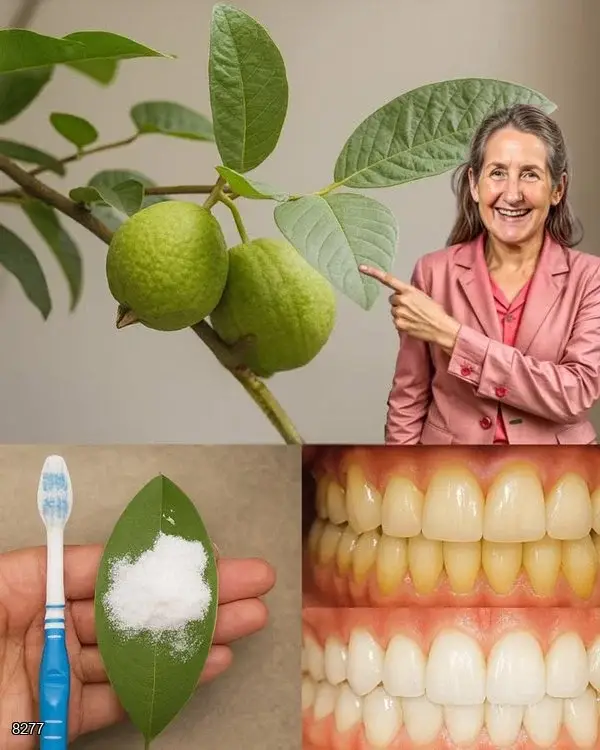
What if the secret to stronger teeth, healthier gums, and fresher breath wasn’t hiding in an expensive tube or bottle—but growing quietly on a tree? For centuries, guava leaves have been used in traditional medicine across Asia, Africa, and Latin America for oral care. Long before modern mouthwashes and dental clinics, people relied on these leaves to calm toothaches, reduce gum inflammation, and keep their mouths clean.
Today, as more people search for gentle, natural, and affordable ways to care for their teeth, guava leaves are making a quiet comeback. They are not a miracle cure, and they will never replace professional dental care—but when used correctly, they can support oral health in simple, practical ways. This article explores how guava leaves work, why they have earned their reputation, and how you can use them safely and effectively as part of a balanced oral care routine.
Why Guava Leaves Have Been Trusted for Generations
Guava leaves come from the guava tree, scientifically known as Psidium guajava. While the fruit is widely loved, the leaves are where much of the medicinal value lies. Traditional healers noticed that chewing or boiling these leaves helped reduce pain, swelling, and infection in the mouth. Modern research now helps explain why.
Guava leaves are rich in natural compounds such as flavonoids, tannins, and vitamin C. One of the most studied compounds is quercetin, known for its antimicrobial and anti-inflammatory effects. These compounds work together to slow bacterial growth, reduce irritation, and support gum tissue.
What makes guava leaves especially appealing is their accessibility. In many regions, they grow easily and can be used fresh with minimal preparation. This simplicity is part of why they have remained relevant for centuries.
How Tooth and Gum Problems Begin
To understand how guava leaves help, it is important to understand what causes common dental problems. Tooth decay begins when bacteria in the mouth feed on sugars and release acids. These acids weaken enamel and create cavities over time. Gum problems start when plaque builds up along the gum line, leading to inflammation, tenderness, and bleeding.
Many commercial products focus on killing bacteria aggressively. While effective, they can sometimes cause irritation or dryness, especially with frequent use. Guava leaves take a gentler approach. Instead of harshly stripping the mouth, they help control bacterial growth while soothing the tissues.
This balance is what makes them useful for mild issues and daily maintenance, especially for people who prefer natural solutions.
Three Simple Ways to Use Guava Leaves for Oral Care
Chewing Fresh Leaves for Toothache Comfort
One of the oldest and simplest methods is chewing fresh guava leaves. This technique is often used for mild tooth discomfort or gum sensitivity. When the leaves are chewed, their natural juices are released, delivering antibacterial compounds directly to the affected area.
To try this method, choose two or three fresh, young guava leaves. Rinse them thoroughly with clean water. Chew slowly near the area of discomfort for a few minutes, then spit out the remains and rinse your mouth. Many people notice a mild numbing and calming sensation shortly after.
This method is not a replacement for dental treatment, but it can offer temporary comfort when professional care is not immediately available.
Making a Guava Leaf Mouth Rinse
A guava leaf rinse is one of the most practical ways to incorporate this remedy into daily oral care. Boiling the leaves extracts their beneficial compounds into the water, creating a gentle antibacterial rinse.
To prepare it, add four or five washed guava leaves to a cup of water. Bring to a boil and let it simmer for about ten minutes. Strain the liquid and allow it to cool. You may add a small pinch of salt if desired.
Use the rinse once or twice a day after brushing. Swish for about thirty to sixty seconds, then spit it out. Regular use may help reduce plaque buildup and improve breath freshness over time.
Creating a Paste for Gum Support
For people dealing with swollen or tender gums, a guava leaf paste can be soothing. This method allows the compounds to stay in contact with the gums for a longer period.
Crush three or four fresh leaves into a smooth paste using a mortar or spoon. Mix in a tiny pinch of salt. Apply the paste gently to the affected gum area and leave it on for five to ten minutes before rinsing with warm water.
This approach is best used a few times a week rather than daily. It can help calm inflammation and support healing when combined with proper brushing and flossing.
Benefits Beyond Tooth Decay
Guava leaves do more than just target cavities. Their anti-inflammatory properties can reduce gum swelling and tenderness. Their antimicrobial action helps control odor-causing bacteria, supporting fresher breath. Vitamin C contributes to gum strength and resilience, which is especially helpful for people prone to bleeding gums.
Because these benefits work together, many people notice an overall improvement in how their mouth feels. Gums may appear healthier, plaque buildup may slow, and daily discomfort may lessen when guava leaves are used consistently and correctly.
A Natural Choice for Budget and Sustainability
Dental products can be expensive, especially when trying multiple solutions for sensitive teeth or gum problems. Guava leaves offer a low-cost alternative that creates very little waste. If you have access to a guava tree, the supply is renewable and free. Even when purchased, the cost is minimal compared to many commercial products.
This makes guava leaves appealing not only for health reasons but also for those who value sustainable and simple living.
Important Safety Considerations
While guava leaves are generally safe, moderation matters. They should not be swallowed in large quantities, and excessive use may cause mild stomach discomfort in sensitive individuals. Anyone allergic to guava fruit should avoid using the leaves.
Children should use guava leaf remedies only with adult supervision. Pregnant or breastfeeding individuals should consult a healthcare professional before regular use, especially if using concentrated preparations.
Most importantly, guava leaves are not a cure for advanced tooth decay, infections, or gum disease. Persistent pain, swelling, or bleeding should always be evaluated by a dentist.
Tips for Best Results
Use young, fresh leaves whenever possible, as they contain higher levels of beneficial compounds.
Always wash leaves thoroughly before use.
Combine guava leaf care with regular brushing, flossing, and dental checkups.
Introduce remedies gradually to see how your mouth responds.
Do not replace professional treatment with home remedies for serious dental issues.
Frequently Asked Questions
Can guava leaves really stop cavities from forming?
Guava leaves may help slow bacterial growth and reduce plaque, which supports cavity prevention, but they cannot reverse existing cavities.
How often can I use a guava leaf mouth rinse?
Once or twice daily is generally considered safe for most people when used as part of a regular oral hygiene routine.
Do guava leaves whiten teeth?
They do not whiten teeth in the way bleaching products do, but reducing plaque buildup may help teeth appear cleaner over time.
Are dried guava leaves effective?
Yes, dried leaves still contain beneficial compounds, though fresh leaves are usually more potent.
When should I see a dentist instead of using home remedies?
If pain persists, swelling worsens, or bleeding continues, professional dental care is essential.
Guava leaves are a powerful reminder that nature often provides gentle tools to support everyday health. When used wisely, they can complement modern oral care, offering comfort, freshness, and confidence—one leaf at a time.