
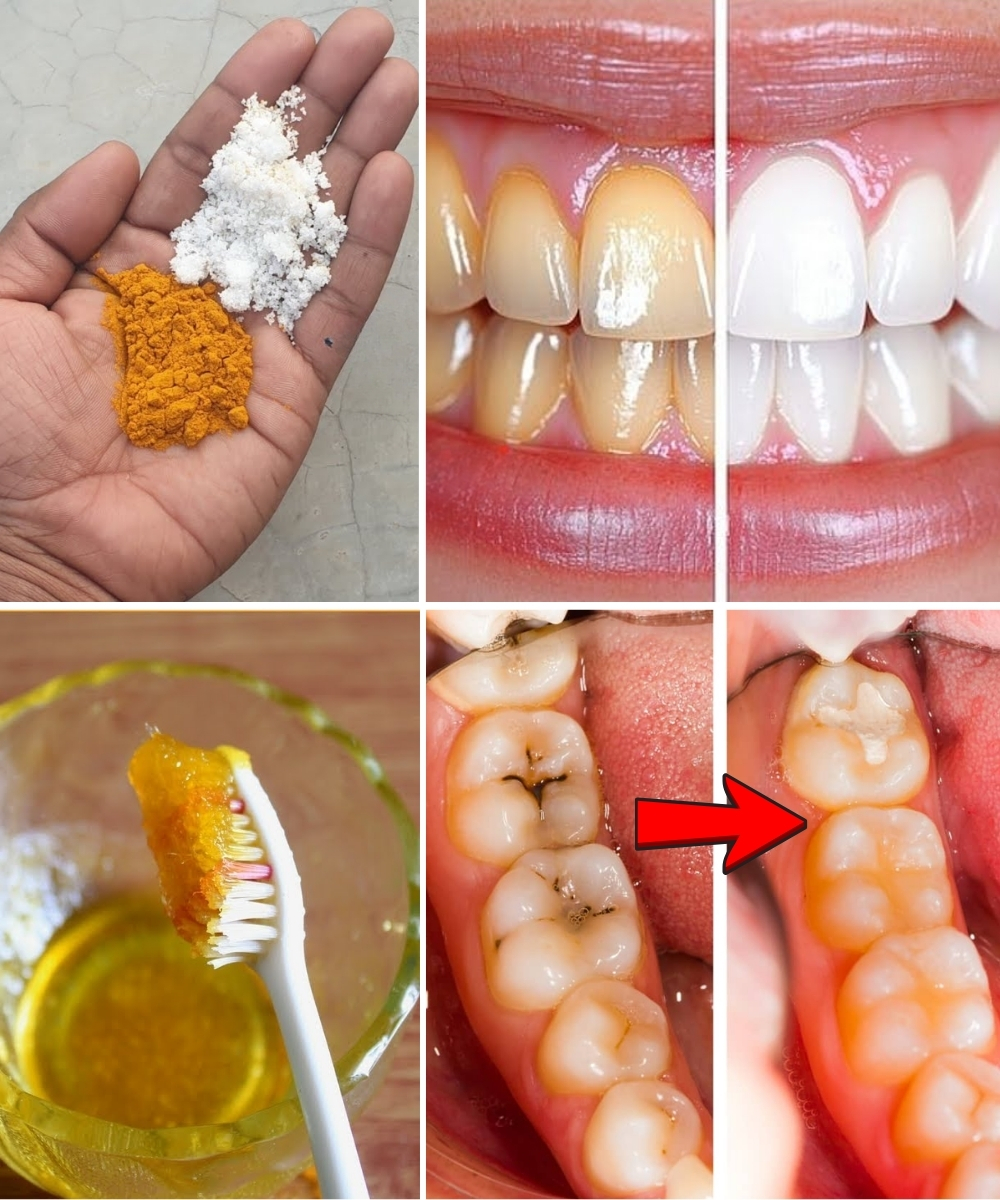
Natural health trends come and go, but some ingredients seem to stay in the spotlight. One of them is turmeric — the bright golden spice commonly used in cooking and traditional wellness practices. Over the past few years, turmeric has gained popularity as a supposed natural teeth whitening remedy. Social media posts often show dramatic before-and-after photos, claiming that this simple kitchen ingredient can transform stained teeth into a dazzling white smile.
But does turmeric truly whiten teeth? Is it safe? And what should you realistically expect if you try it?
Let’s explore the science, the myths, the benefits, and the risks so you can make an informed decision.
Why Turmeric Became Popular in Oral Care
Turmeric contains an active compound called curcumin, which is known for its anti-inflammatory, antioxidant, and antibacterial properties. These benefits have made turmeric popular in wellness circles for everything from joint health to skincare.
When it comes to oral care, turmeric is believed to help because:
It Has Antibacterial Properties
Certain oral bacteria contribute to plaque buildup, gum inflammation, and bad breath. Since turmeric may help reduce harmful bacteria, some believe it can improve overall oral hygiene.
It May Reduce Inflammation
Inflamed gums can make teeth look unhealthy. Turmeric’s anti-inflammatory properties may help soothe irritated gums and support better gum health.
It Could Help With Surface Stains
Some users report that their teeth look cleaner after using turmeric. This may be because reducing plaque buildup can improve the appearance of enamel.
However, it’s important to separate possible benefits from exaggerated claims.
What Turmeric Can Actually Do for Your Teeth
There are some realistic ways turmeric may support oral health when used gently and occasionally.
1. Help Reduce Plaque-Causing Bacteria
Turmeric’s antibacterial qualities may limit bacterial growth that contributes to plaque formation. Less plaque can mean a cleaner-looking smile over time.
2. Support Gum Health
Healthy gums are essential for an attractive smile. Turmeric may calm mild gum inflammation and redness when used appropriately.
3. Improve the Appearance of Mild Surface Staining
Some light stains caused by coffee, tea, or food may appear slightly less noticeable after improved oral hygiene. Turmeric might contribute to this effect indirectly.
These benefits are subtle and gradual — not dramatic or instant.
What Turmeric Cannot Do
It’s extremely important to clarify what turmeric does not do.
Turmeric does not:
- Rebuild enamel
- Repair cavities
- Remove deep intrinsic stains
- Replace professional whitening treatments
- Deliver instant dramatic whitening
Any claim that turmeric can “heal holes” in teeth or reverse tooth decay is misleading. Cavities require professional dental care. Once enamel is damaged, it does not grow back.
Why the Yellow Color Doesn’t Stain Teeth Permanently
One common concern is: if turmeric is bright yellow, won’t it stain teeth?
Interestingly, turmeric does not permanently stain enamel when used briefly and rinsed thoroughly. Tooth enamel is different from porous materials like fabric. However, turmeric can temporarily stain toothbrush bristles, soft tissues, and countertops.
Proper rinsing and brushing afterward usually remove surface residue.
Safety Considerations Before Trying Turmeric
While turmeric itself is not harmful, the way people use it can cause problems.
Avoid Abrasive Mixtures
Some online recipes combine turmeric with:
- Salt
- Baking soda
- Activated charcoal
These ingredients can be abrasive. Aggressive scrubbing with abrasive substances may wear down enamel. Once enamel is lost, it cannot regenerate.
Enamel erosion can lead to:
- Increased tooth sensitivity
- Higher risk of cavities
- A dull, yellow appearance (because underlying dentin becomes visible)
Gentleness is critical.
Do Not Scrub Aggressively
Even with soft ingredients, brushing too hard can damage gums and enamel. Always use a soft-bristled toothbrush and light pressure.
Do Not Use Daily
Using turmeric occasionally is safer than daily use. Overuse of any DIY remedy increases risk of irritation or enamel wear.
A Safer Way to Try Turmeric (If You Choose To)
If you are curious and want to experiment carefully, here is a gentler approach.
Ingredients
- A small pinch of turmeric powder
- A small amount of coconut oil
Method
- Mix a tiny amount of turmeric with coconut oil to form a paste.
- Apply gently to teeth using a soft toothbrush.
- Brush lightly for about one minute.
- Rinse thoroughly with water.
- Follow with regular toothpaste brushing.
Limit use to once per week or less. Monitor for any sensitivity or gum irritation. If discomfort occurs, stop immediately.
Remember, this is not a replacement for regular brushing and flossing.
Why Professional Whitening Works Better
Professional dental whitening treatments are designed to break down stains beneath the enamel surface. Dentists use controlled peroxide-based agents that safely penetrate the tooth structure.
Compared to turmeric, professional whitening:
- Produces faster results
- Targets deeper stains
- Is supervised for safety
- Offers predictable outcomes
If you want significant whitening, professional care is far more effective.
The Truth About Before-and-After Photos
Many viral images showing dramatic whitening transformations can be misleading. Differences often come from:
- Lighting changes
- Photo editing
- Filters
- Different camera angles
- Professional treatments presented as natural remedies
It’s important to approach dramatic claims with healthy skepticism.
Dentist-Recommended Ways to Maintain a Brighter Smile
If your goal is a cleaner, brighter appearance without harsh chemicals, focus on proven habits.
Practice Proper Brushing Technique
Brush twice daily with a soft-bristled toothbrush and fluoride toothpaste. Use gentle circular motions instead of aggressive scrubbing.
Floss Daily
Flossing removes plaque between teeth where stains and decay often begin.
Reduce Stain-Causing Foods and Drinks
Coffee, tea, red wine, and soda contribute to discoloration. Rinse your mouth with water after consuming them.
Consider Low-Abrasive Whitening Toothpaste
Some whitening toothpastes are formulated to remove surface stains gently.
Schedule Professional Cleanings
Regular dental cleanings remove tartar and surface stains that home care cannot eliminate.
The Psychological Side of Natural Remedies
Many people prefer natural solutions because they feel safer and more holistic. While this mindset is understandable, “natural” does not always mean risk-free or effective.
Turmeric can be a supportive ingredient for gum health, but it should be viewed as complementary — not a miracle cure.
Final Verdict: Should You Try Turmeric for Teeth Whitening?
Turmeric may offer mild antibacterial and anti-inflammatory benefits that support oral hygiene. It might slightly improve the appearance of surface stains over time.
However:
- It will not dramatically whiten teeth.
- It cannot repair cavities.
- It does not replace professional dental care.
If you enjoy natural remedies and use turmeric gently and occasionally, it is unlikely to cause harm. But for significant whitening results, evidence-based dental treatments are far more reliable.
A healthy smile depends more on consistent daily care than on any single ingredient.
Tips for Safely Brightening Your Smile
- Always use a soft-bristled toothbrush.
- Avoid mixing turmeric with abrasive substances.
- Do not overuse DIY whitening methods.
- Rinse thoroughly after natural treatments.
- Stay consistent with brushing and flossing.
- Visit your dentist regularly for professional cleanings.
Consistency matters more than quick fixes.
Frequently Asked Questions
Does turmeric permanently whiten teeth?
No. Turmeric may slightly improve surface appearance but does not permanently whiten teeth or change their natural color.
Can turmeric damage enamel?
Turmeric alone is not highly abrasive, but mixing it with salt or baking soda and scrubbing aggressively can damage enamel over time.
How long does it take to see results?
If any improvement occurs, it is usually gradual and subtle. Expect mild changes rather than dramatic whitening.
Can turmeric heal cavities?
No. Cavities require professional dental treatment. Turmeric cannot repair tooth decay.
Is it safe to use turmeric every day?
Daily use is not recommended. Occasional use is safer to avoid irritation or enamel wear.
Why do some people claim instant results?
Lighting differences, editing, or professional whitening treatments may be responsible for dramatic before-and-after photos.