
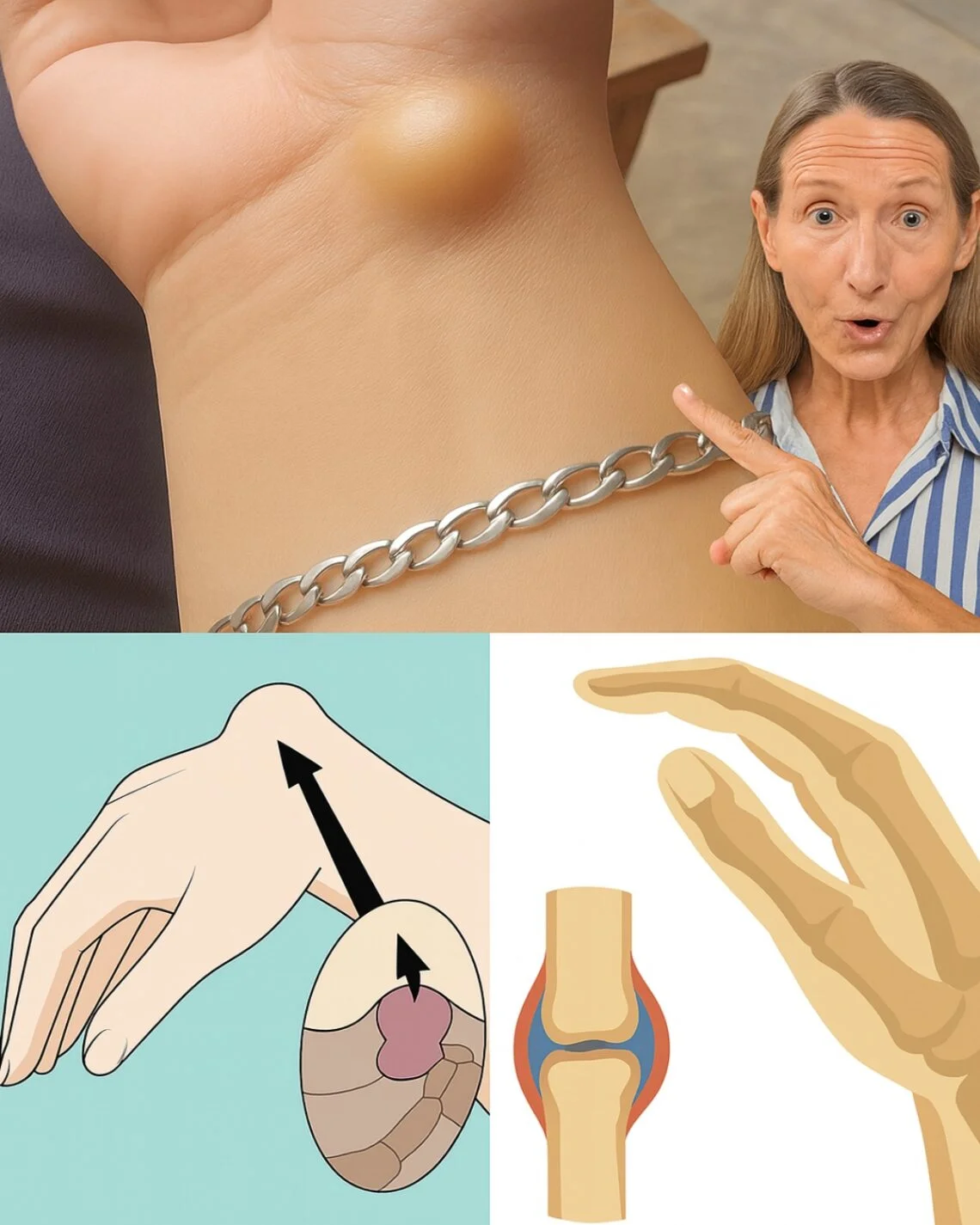
Finding a lump on your body can be alarming. The sudden awareness of a small bump can trigger worry and fear, especially when it feels unfamiliar or out of place. While some lumps are caused by medical conditions that need attention, others may develop from simple, everyday habits. Understanding how daily behaviors affect your body can help you identify when a bump is likely harmless and when it requires professional evaluation.
Why Lumps Trigger Anxiety
When a lump appears, your body’s natural response is alarm. The brain interprets unusual changes as potential danger. This triggers stress, causing a mental spiral of “what ifs.” Checking the lump repeatedly and imagining worst-case scenarios is common, but it is important to approach the situation calmly and systematically. Recognizing your fear allows you to act rationally, focusing on observation and healthy habits rather than panic.
How Daily Habits Can Contribute
Repeated pressure, friction, or strain in certain areas can sometimes cause lumps or bumps beneath the skin. These are usually harmless tissue changes. Some common habits that may lead to lumps include:
Repetitive Movements
Activities like typing, gripping tools, or performing the same motion repeatedly may cause small fluid-filled sacs or tendon-related bumps near joints or fingers. These may shift slightly when pressed and often remain painless unless irritated.
Constant Pressure
Sitting or leaning on one side regularly, or crossing legs the same way every day, can create small nodules where pressure is applied. The body thickens tissue in response to repeated stress as a protective mechanism.
Tight Clothing or Accessories
Belts, straps, or shoes that consistently press against one area may contribute to bumps over time. The tissue beneath adapts to constant pressure, forming a noticeable lump.
Friction and Rubbing
Areas of skin that experience repeated friction, such as thighs rubbing or seams pressing against the body, may thicken and feel raised. These lumps are often firm but not dangerous.
Posture and Device Use
Extended use of devices, especially looking down at a phone, can create muscle tension or knots that feel like lumps. These are muscle-related rather than growths or cysts.
Lumps Unrelated to Habits
Not all lumps result from daily behavior. Some appear due to natural tissue variations, benign cysts, infections, or other medical causes. Assuming every bump is caused by habits can be misleading and delay proper evaluation. Only a healthcare professional can determine the true cause of a lump, so monitoring and timely consultation are essential.
Red Flags Requiring Professional Attention
Certain features of a lump warrant urgent evaluation:
- Rapid or steady growth
- Firm or immovable texture
- Persistent pain or tenderness
- Skin changes such as redness, warmth, or ulceration
- Unexplained weight loss or persistent fever
- Rapid expansion following injury
These signs do not automatically indicate a serious condition, but they signal the need for a professional assessment.
Steps to Take When a Lump Appears
Observe Calmly
Gently examine the lump. Note size, shape, texture, and mobility. Understanding these features helps distinguish harmless bumps from suspicious ones.
Reflect on Daily Habits
Consider repeated motions, pressure points, friction, or tight clothing that may explain the bump. Awareness of contributing habits can guide preventive changes.
Track Changes
Monitor the lump periodically without excessive checking. Document any alterations in size, texture, or sensation to provide useful information to a healthcare provider.
Seek Professional Guidance
Even if the lump seems harmless, consulting a doctor is wise. Bring notes about habits and observations to assist in evaluation.
Adjusting Habits to Support Tissue Health
If a lump is related to friction or pressure, lifestyle adjustments may reduce irritation and prevent further tissue changes:
- Change sitting or sleeping positions regularly
- Wear less restrictive clothing or footwear
- Incorporate frequent movement during long work sessions
- Adjust posture when using devices
- Use cushioning for high-pressure areas
These changes support overall tissue health and may reduce the likelihood of habit-related bumps.
Emotional Impact of Noticing a Lump
Finding a lump can provoke intense anxiety, sometimes more than the lump itself. Worrying excessively or imagining worst-case scenarios can intensify stress. Managing this involves shifting from fear to informed action:
- Write down concerns and observations
- Discuss findings with a trusted healthcare professional
- Seek emotional support from friends or family
- Focus on actionable steps rather than speculation
Balanced Awareness and Professional Care
Daily habits may contribute to some lumps, but many appear for unrelated reasons. Combining self-awareness with professional evaluation ensures a calm, informed approach. Regular observation, noting changes, and consulting a healthcare provider when necessary helps maintain peace of mind and body health.
Tips for Managing Bumps
- Avoid constant pressing or prodding of the lump
- Keep a journal of observations, including any changes over time
- Maintain proper hydration and nutrition to support tissue health
- Rotate repetitive tasks or movements to reduce strain
- Incorporate regular stretching and posture breaks
Frequently Asked Questions
Can a lump disappear on its own?
Some lumps caused by pressure, friction, or minor tissue changes may reduce over time with habit adjustments, but persistent or growing lumps should be evaluated.
Are all lumps caused by habits harmless?
No. While some bumps are benign, others may indicate underlying medical conditions. Professional evaluation is crucial for accurate diagnosis.
When should I see a doctor immediately?
Seek prompt care for lumps that grow rapidly, are painful, show skin changes, or are accompanied by other symptoms like unexplained weight loss or fever.
Can lifestyle changes prevent lumps?
Adjusting posture, reducing repetitive strain, wearing appropriate clothing, and avoiding constant pressure may help prevent habit-related lumps but do not prevent medically unrelated bumps.
Can stress make lumps feel worse?
Stress can heighten awareness and muscle tension, making existing lumps feel more pronounced, but it does not directly cause lumps.
Conclusion
Noticing a lump can be unnerving, but understanding how daily habits affect the body and knowing the signs that require professional attention can reduce fear. While some bumps result from repeated friction, pressure, or posture, others are unrelated to daily behavior. A balanced approach combines observation, mindful adjustments, and professional guidance. Listening to your body with awareness and responding thoughtfully ensures both clarity and peace of mind.