

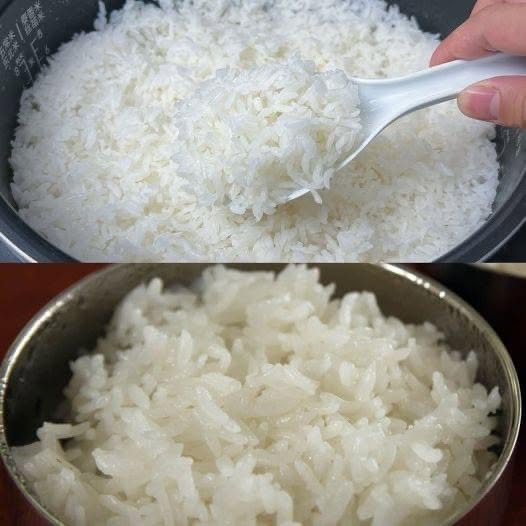
Few things are as satisfying as a bowl of perfectly cooked rice. In many restaurants, rice is light, fluffy, fragrant, and full of flavor, while homemade rice can sometimes turn out sticky, mushy, or bland. The secret isn’t expensive equipment or complicated techniques—it’s a few simple cooking habits that make a noticeable difference.
From rinsing the grains to adding a touch of butter, oil, or aromatic spices, small changes can transform ordinary rice into a delicious side dish that pairs well with almost any meal. Whether you’re cooking basmati, jasmine, or long-grain white rice, these easy methods can help you achieve restaurant-quality results in your own kitchen.
This guide explains each step in detail, along with practical tips and answers to common questions so you can cook perfect rice every time.
Why Restaurant Rice Tastes Better
Professional kitchens pay close attention to every stage of the cooking process. Instead of simply boiling rice in water, chefs focus on enhancing flavor, preserving texture, and preventing the grains from sticking together.
Some of the most common techniques include:
- Washing away excess starch before cooking.
- Using the correct water-to-rice ratio.
- Cooking over low heat.
- Adding butter or oil for richer flavor.
- Including whole spices for subtle aroma.
- Allowing the rice to rest before fluffing.
These small details produce rice that is tender, separate, and beautifully aromatic.
Ingredients
You’ll only need a few basic ingredients.
Main Ingredients
- 1 cup long-grain rice (basmati, jasmine, or long-grain white rice)
- 2 cups water (adjust according to your rice variety)
- 1 tablespoon butter or cooking oil
- ½ teaspoon salt
Optional Flavor Boosters
- 1 teaspoon lemon juice
- 1 bay leaf
- 2–3 whole cloves
- 2–3 green cardamom pods
- Small cinnamon stick
- A few black peppercorns
You don’t need every optional ingredient. Even adding just one aromatic spice can give your rice a restaurant-style flavor.
Step 1: Rinse the Rice Thoroughly
One of the biggest differences between restaurant rice and homemade rice is proper rinsing.
Place the rice in a bowl and cover it with cold water. Gently swirl the grains with your hands, then drain the cloudy water. Repeat this process several times until the water becomes mostly clear.
Why This Matters
Rice naturally contains surface starch. Removing this excess starch helps:
- Prevent sticky rice
- Keep grains separate
- Produce a lighter texture
- Improve appearance
Skipping this step often leads to clumpy rice.
Step 2: Soak the Rice
Although optional, soaking is highly recommended.
Cover the rinsed rice with fresh water and let it soak for 20–30 minutes before cooking. Drain well afterward.
Benefits of Soaking
Soaking allows the grains to absorb moisture before cooking, resulting in:
- Longer grains
- More even cooking
- Softer texture
- Reduced cooking time
- Fluffier finished rice
Many restaurants soak basmati rice before cooking to help it expand beautifully.
Step 3: Bring the Water to a Boil
Pour the measured water into a saucepan and place it over medium heat.
Wait until the water reaches a gentle boil before adding the rice.
Starting with boiling water helps the rice cook evenly from the beginning.
Step 4: Add Flavor Before Cooking
Before adding the rice, stir the following into the boiling water:
- Butter or cooking oil
- Salt
- Lemon juice (optional)
- Bay leaf or whole spices (optional)
Butter or Oil
A small amount of fat coats the rice grains and helps keep them separate. It also adds richness and improves mouthfeel.
Salt
Salt seasons the rice evenly while it cooks rather than only after serving.
Lemon Juice
A teaspoon of lemon juice won’t make the rice taste sour. Instead, it may help the grains remain firm and separate.
Whole Spices
Whole spices release their aroma gradually during cooking.
Popular choices include:
- Bay leaf
- Cardamom
- Cloves
- Cinnamon
- Black peppercorns
These ingredients add subtle fragrance without overpowering the rice.
Step 5: Add the Rice
Add the drained rice to the boiling water.
Stir gently only once to distribute the grains evenly.
Avoid repeated stirring, which can release starch and make the rice sticky.
Step 6: Simmer Gently
Reduce the heat to low immediately.
Cover the pot with a tight-fitting lid.
Allow the rice to cook without lifting the lid.
Approximate cooking times include:
Basmati Rice
12–15 minutes
Jasmine Rice
12–15 minutes
Long-Grain White Rice
15–18 minutes
Cooking times may vary slightly depending on the brand and stovetop.
Step 7: Let the Rice Rest
Once all the water has been absorbed, remove the saucepan from the heat.
Leave the lid on and allow the rice to rest for about 10 minutes.
Why Resting Is Important
During this resting period:
- Remaining steam finishes cooking the rice.
- Moisture redistributes evenly.
- Grains become firmer.
- Rice becomes fluffier.
Many people skip this step, but it is one of the easiest ways to improve texture.
Step 8: Fluff Before Serving
After resting, remove the lid.
Use a fork—not a spoon—to gently fluff the rice.
A fork separates the grains without crushing them.
Serve immediately while warm.
Simple Ways to Add More Flavor
Once you’ve mastered the basic method, try experimenting with additional ingredients.
Popular additions include:
- Garlic
- Onion
- Fresh herbs
- Turmeric
- Saffron
- Chicken or vegetable broth instead of water
- Toasted nuts
- Raisins
- Fresh parsley
- Cilantro
These ingredients can easily transform plain rice into a flavorful side dish.
Common Rice Mistakes to Avoid
Even experienced home cooks make a few common mistakes.
Using Too Much Water
Extra water often produces mushy rice.
Always follow the recommended ratio for your rice variety.
Skipping the Rinse
Leaving excess starch on the grains increases stickiness.
Lifting the Lid Too Often
Every time you remove the lid, steam escapes and interrupts the cooking process.
Stirring Repeatedly
Too much stirring breaks the grains and releases starch.
Serving Immediately
Allowing the rice to rest improves texture dramatically.
Storage Tips
Cooked rice should be handled safely.
- Cool leftovers promptly.
- Refrigerate within two hours.
- Store in an airtight container.
- Use within three to four days.
- Reheat thoroughly until steaming hot.
Do not leave cooked rice at room temperature for long periods.
Serving Suggestions
Restaurant-style rice pairs well with countless dishes.
Try serving it with:
- Grilled chicken
- Roasted vegetables
- Beef stir-fry
- Fish
- Shrimp
- Lentil curry
- Vegetable curry
- Butter chicken
- Teriyaki dishes
- Kebabs
- Stews
- Beans
Its light texture makes it an excellent side for both simple and elaborate meals.
Helpful Tips for Perfect Rice Every Time
- Always rinse the rice thoroughly before cooking.
- Soak the rice whenever possible for fluffier grains.
- Measure both rice and water accurately.
- Add butter or oil for richer flavor and better texture.
- Use whole spices for a subtle restaurant-style aroma.
- Keep the lid closed while the rice cooks.
- Allow the rice to rest for at least 10 minutes after cooking.
- Fluff gently with a fork instead of stirring with a spoon.
- Store leftovers safely in the refrigerator and reheat thoroughly.
- Practice with the same brand of rice until you learn the ideal cooking time.
Frequently Asked Questions
Why do restaurants rinse rice before cooking?
Rinsing removes excess starch from the surface of the grains, helping produce fluffy, separate rice instead of sticky clumps.
Is soaking rice really necessary?
Not always, but soaking can improve texture, help the grains cook more evenly, and reduce cooking time, especially for basmati rice.
Does butter make rice fluffier?
Butter or oil helps coat the grains, reducing sticking while adding richness and flavor.
Why should I let rice rest after cooking?
Resting allows steam to finish cooking the rice and helps moisture distribute evenly, resulting in fluffier, more evenly cooked grains.
Can I use broth instead of water?
Yes. Chicken, vegetable, or beef broth can add extra flavor. Be sure to adjust the salt since many broths already contain sodium.
Why is my rice mushy?
Mushy rice is usually caused by too much water, overcooking, or stirring too frequently during cooking.
Can I freeze cooked rice?
Yes. Let it cool completely, portion it into freezer-safe containers, and freeze for up to three months. Reheat thoroughly before serving.
Which rice works best for fluffy restaurant-style rice?
Long-grain varieties such as basmati and jasmine are excellent choices because they naturally cook into light, separate grains.
Final Thoughts
Restaurant-style rice is easier to make than many people think. A few simple techniques—rinsing the grains, soaking before cooking, using the proper water ratio, adding a little butter or oil, and allowing the rice to rest—can completely change the final result.
With these easy methods, you’ll enjoy fluffy, aromatic rice that complements everything from grilled meats to vegetable dishes. Once you master the basics, you can customize the flavor with herbs, spices, or broth to create countless delicious variations for everyday meals.