
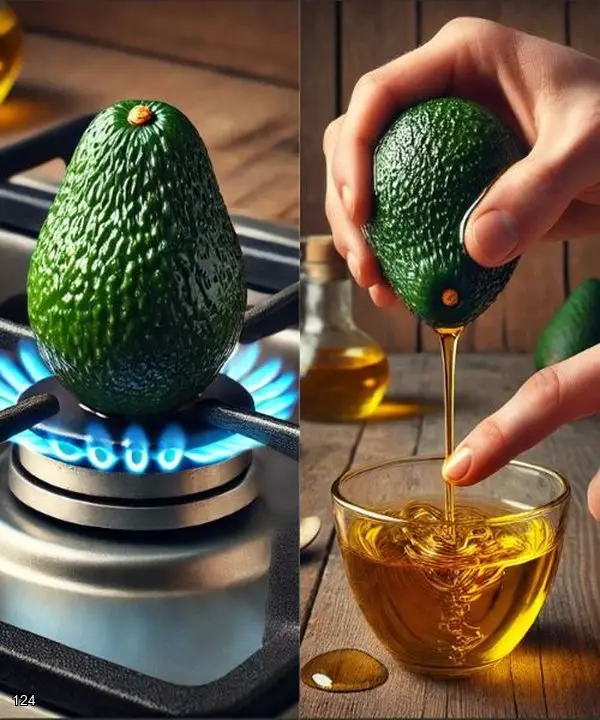
Avocados are loved around the world for their creamy texture, rich taste, and powerful nutritional value. Most people slice them into salads, mash them into guacamole, or spread them over toast. But there is another surprising way to use this fruit — by gently heating it on the stove to extract its natural oil.
Yes, you can turn an overripe avocado into homemade avocado oil using nothing more than heat and a bit of patience. This simple kitchen method allows you to reduce food waste and create a golden, nutrient-rich oil that you can use in many delicious ways.
If you often cook healthy recipes or experiment with wholesome ingredients in your kitchen, this technique will quickly become one of your favorites.
Why Heat an Avocado?
At first, the idea of cooking avocado might sound unusual. After all, we usually eat it fresh. However, avocados are naturally rich in healthy fats. When gently heated, those fats separate from the pulp and release pure avocado oil.
This method is especially helpful when:
- Your avocados are overripe
- You bought too many and don’t want to waste them
- You want homemade avocado oil without additives
- You enjoy natural, DIY kitchen techniques
Instead of throwing away soft avocados, you can transform them into something valuable and versatile.
Understanding the Healthy Fats in Avocado
Many people misunderstand avocados because of their fat content. However, the fat in avocado is primarily monounsaturated fat — the same heart-friendly fat found in olive oil.
These fats help:
- Support heart health
- Improve cholesterol balance
- Reduce inflammation
- Promote healthy skin
- Support nutrient absorption
The calories in avocado usually become a problem only when paired with processed, sugary, or heavily fried foods. On its own, avocado is a nutrient-dense whole food.
Step-by-Step Guide to Extracting Avocado Oil at Home
1. Choose the Right Avocados
For this method, slightly overripe avocados work best. They should feel soft but not spoiled. Avoid avocados with mold or an unpleasant smell.
Overripe avocados are ideal because:
- They mash easily
- The oil separates more efficiently
- The flavor becomes richer
2. Cut and Remove the Pit
Slice the avocado in half lengthwise. Carefully remove the pit. Scoop out the flesh using a spoon and place it into a clean bowl.
Make sure you remove any dark or spoiled parts.
3. Mash Until Smooth
Using a fork or potato masher, mash the avocado flesh thoroughly. The smoother the texture, the easier the oil will separate during cooking.
You want a creamy, lump-free consistency. This step is important because uneven chunks may trap oil inside.
4. Cook on Low Heat
Transfer the mashed avocado into a non-stick frying pan.
Set the heat to low. Do not rush this process.
Slow cooking is essential. As the mixture warms, you will notice:
- The color darkens slightly
- Moisture begins to evaporate
- Oil starts separating from the pulp
Stir occasionally to prevent burning. The mixture should gently simmer, not fry.
This stage may take 15–25 minutes depending on the amount of avocado used.
5. Watch for Oil Separation
As cooking continues, you will see visible oil forming around the mashed pulp. The mixture may look slightly glossy.
Do not increase the heat. High heat can burn the pulp and ruin the oil’s flavor.
Patience gives you better results.
6. Strain the Oil
Once you see clear oil separation and the pulp appears dry, remove the pan from heat.
Place a sieve or cheesecloth over a clean glass container. Pour the cooked mixture into the strainer.
Press gently using a spoon or squeeze the cheesecloth to extract every drop of oil.
You will be surprised how much oil a single avocado can produce.
What Makes Avocado Oil So Special?
Homemade avocado oil is not just flavorful — it offers impressive health benefits.
Anti-Inflammatory Properties
Avocado oil contains compounds that help reduce inflammation in the body. This may support joint comfort and overall wellness.
Supports Heart Health
The monounsaturated fats in avocado oil can help maintain healthy cholesterol levels. This supports cardiovascular function and circulation.
Rich in Antioxidants
Avocado oil contains vitamin E and other antioxidants. These help protect cells from oxidative stress and may slow signs of aging.
Supports Blood Sugar Balance
Healthy fats help stabilize blood sugar levels by slowing digestion. This prevents sudden spikes and crashes.
Brain and Nervous System Support
Avocado oil contains beneficial plant compounds such as phenolic antioxidants. These compounds may support cognitive health and protect nerve cells.
How to Use Homemade Avocado Oil
Once you have extracted your oil, store it in a clean glass bottle with a lid. Keep it in a cool, dark place or refrigerate for longer freshness.
Here are creative ways to use it:
Salad Dressing
Drizzle over fresh salads for a smooth, buttery flavor.
Cooking and Sautéing
Avocado oil has a relatively high smoke point compared to many oils, making it suitable for light sautéing and pan cooking.
Finishing Oil
Add a small drizzle over grilled vegetables, roasted potatoes, or cooked meats for added richness.
Homemade Marinades
Mix with lemon juice, garlic, and herbs to create a flavorful marinade.
Skin and Hair Care
Some people also use avocado oil externally as a natural moisturizer for skin or as a nourishing hair treatment.
Important Safety Notes
- Always cook on low heat to avoid burning.
- Do not use avocados that are spoiled or moldy.
- Store oil properly to prevent rancidity.
- Homemade oil may not last as long as commercial cold-pressed oil.
If the oil smells sour or unusual, discard it.
Tips for Best Results
- Use multiple avocados to get a larger quantity of oil.
- Stir consistently during cooking.
- Avoid high heat to preserve nutrients.
- Use a fine cheesecloth for maximum extraction.
- Allow the oil to cool completely before sealing the container.
- Label the bottle with the preparation date.
If you often create healthy kitchen content or share recipes, this technique can also make an interesting and engaging addition to your posts.
Frequently Asked Questions
Can heating avocado destroy its nutrients?
Excessive heat can reduce some heat-sensitive vitamins. However, gentle low-heat cooking mainly separates the oil without completely destroying its beneficial fats and antioxidants.
Is homemade avocado oil the same as cold-pressed avocado oil?
No. Commercial cold-pressed avocado oil is extracted mechanically without heat. The stovetop method uses gentle heat, which may slightly alter nutrient levels but still produces useful oil.
How long does homemade avocado oil last?
When stored properly in a sealed glass container in the refrigerator, it can last up to one to two weeks. Always check for changes in smell or taste.
Can I use very ripe avocados?
Yes. Overripe (but not spoiled) avocados are actually ideal for oil extraction because they mash easily and release oil more efficiently.
Does this method work with unripe avocados?
Unripe avocados are too firm and contain less easily extractable oil. It is better to wait until they soften naturally.
Why is my oil dark?
The oil may appear darker if the avocado pulp browned during cooking. Keeping the heat low helps maintain a cleaner color.
Can I blend instead of mash?
Yes. Using a blender can create a smoother consistency, which may help improve oil separation.
Final Thoughts
Putting avocados on the stove may seem unconventional, but it unlocks an entirely new way to use this nutrient-rich fruit. Instead of wasting overripe avocados, you can transform them into homemade avocado oil packed with healthy fats and flavor.
This simple technique combines sustainability, creativity, and nutrition — three powerful elements in any modern kitchen. Try it once, and you may never look at a soft avocado the same way again.